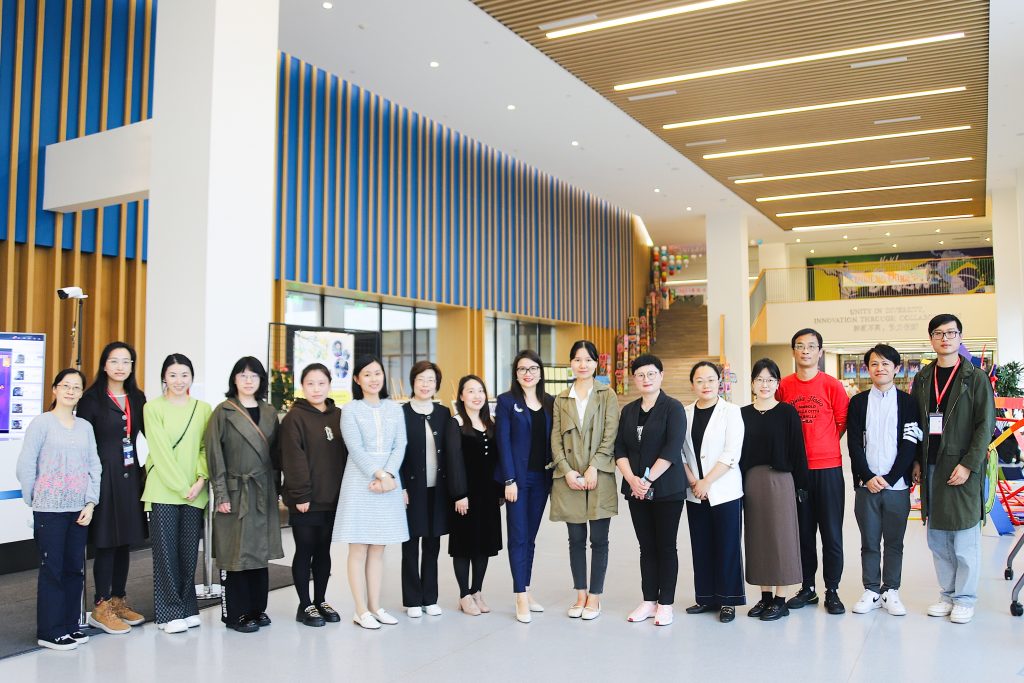

In recent years, particularly during this pandemic period, it has been an ongoing and important need in teachers’ professional development initiatives to support teachers in their efforts to learn how to use data and technology more effectively in their teaching practices. At the same time, the Ethics course is a key course for implementing the fundamental task of cultivating virtues and building up character. We believe that technology plays an irreplaceable role in the teaching of Ethics, and our Ethics teachers have worked hard to explore and implement the use of technology in their lessons.
SUIS Qingpu Co-Principal Ms. Sunny Huang pointed out that schools should place an emphasis on Ethics teachers’ professional development. Our school accomplishes this through the construction of a shared platform through the use of technology and an all-round, three-dimensional high-quality teaching resource library accessible to all our Ethics teachers. By innovating instructional practices through technology, our teachers can be a part of an efficient professional development community. By constructing a new teaching model that involves the effective use of technology, Ethics teachers can be further empowered to deliver instruction of higher quality. Furthermore, the digitization of teaching evaluation processes can also improve the provision of Ethics instruction.
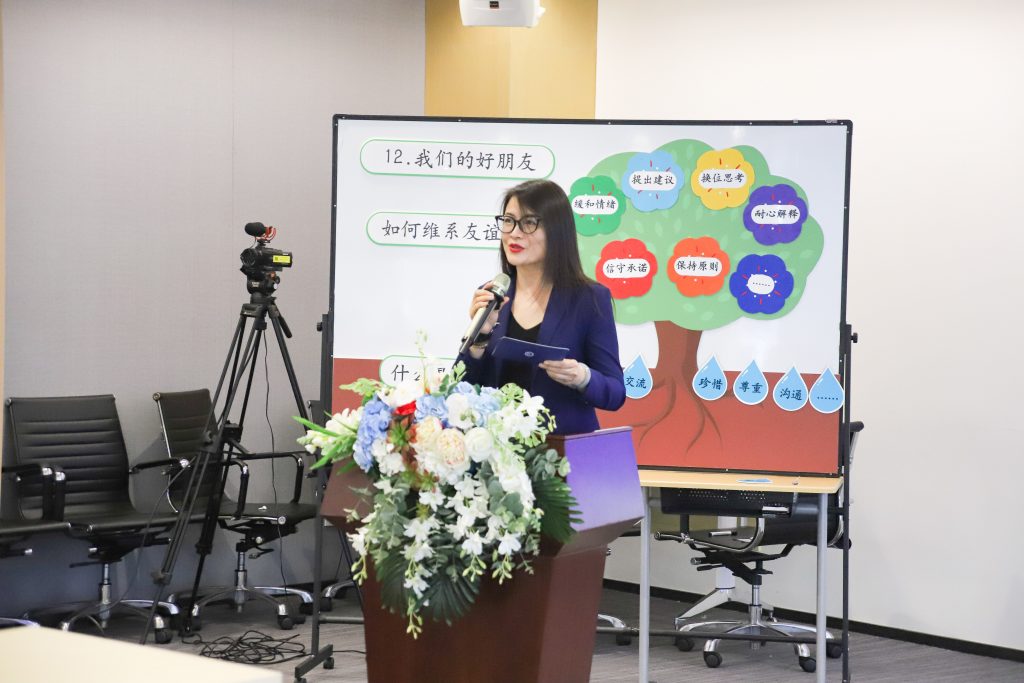
On November 10, with the strong support and help of the Shanghai Municipal Education Commission, the Shanghai Teacher Training Center and relevant units from the Changning and Qingpu Districts, and through both online and offline collaboration, teachers from SUIS Qingpu and the Beixinjing No. 3 Primary School (Changning District) jointly researched, prepared for and taught a lesson called, “Our Good Friend” in the Ethics unit “Companionship and Communication”. Set with the same teaching objectives and guided by the proposal of ‘same lesson but different structure’, Ms Sara Yu from SUIS Qingpu and Ms Tingting Gui from the Beixinjing No. 3 Primary School set out to transform a lesson employing traditional, teacher-centered practices and focused on teaching materials to one that was student-centered and focused on the development of both students and teacher. They successfully demonstrated their own teaching styles and presented different teaching methods. Different teaching concepts, methods and strategies collided in multi-level and multi-directional exchanges to promote teachers’ sustainable professional development and improve teaching quality.
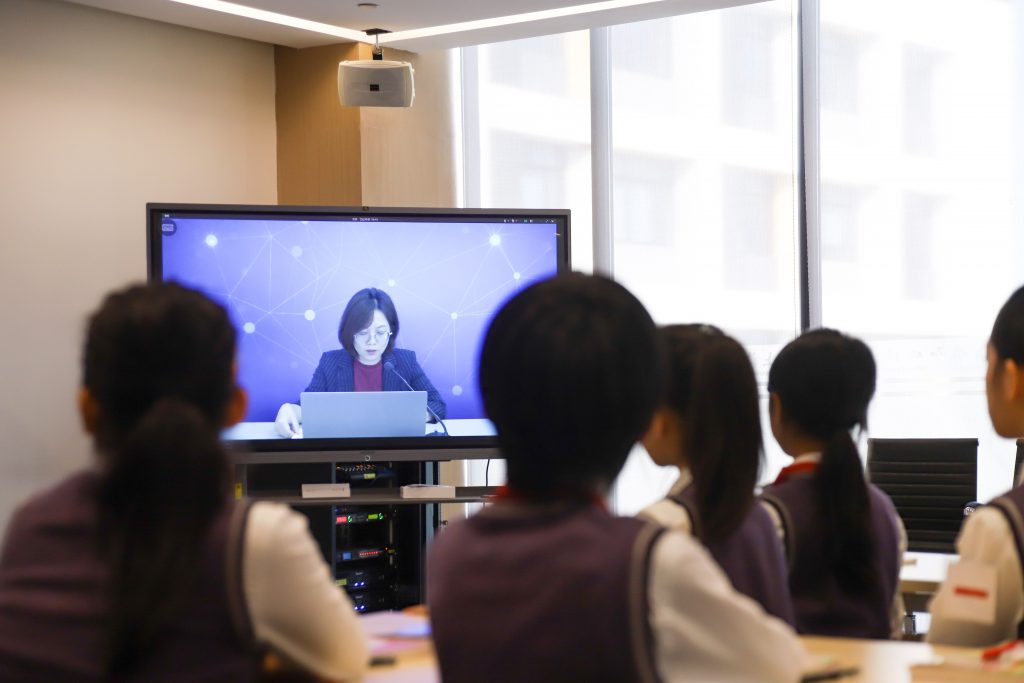
Same lesson, different structure – Growing stronger together
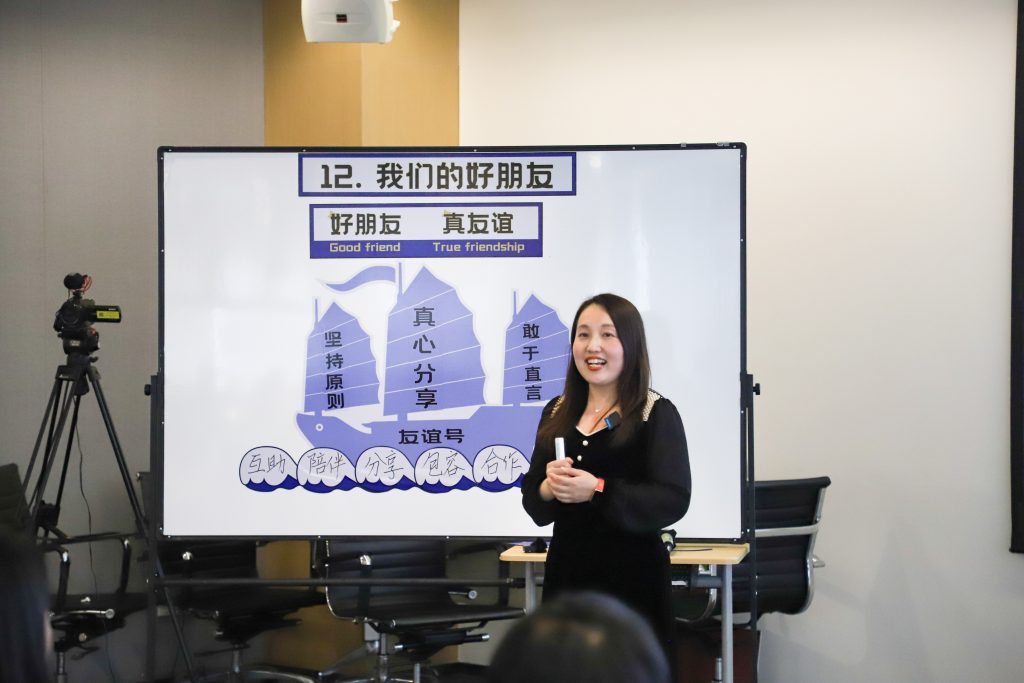
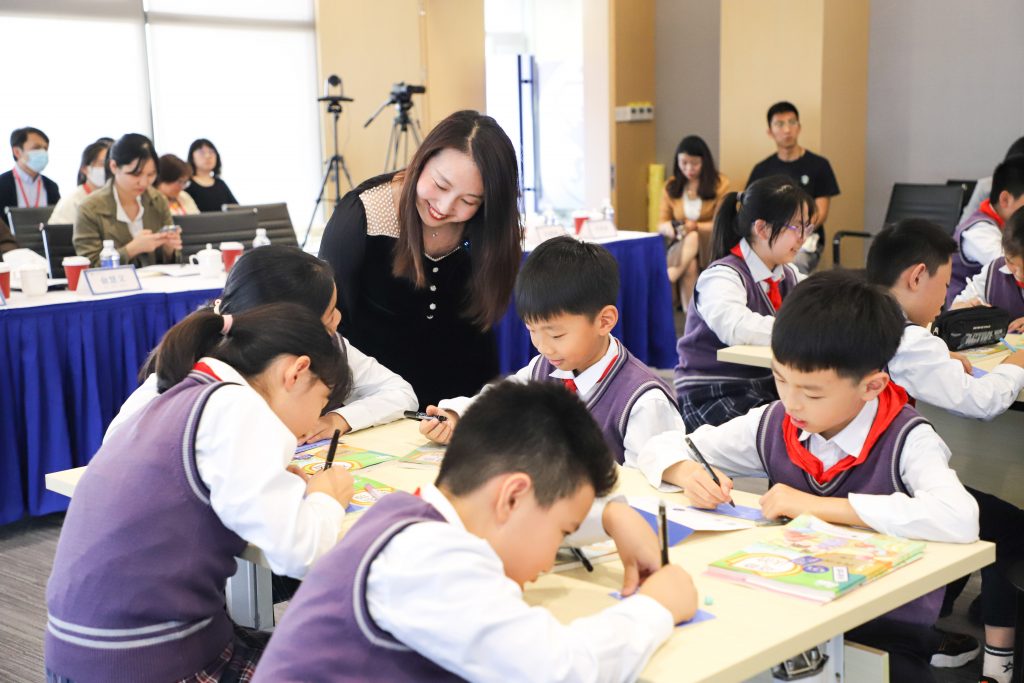
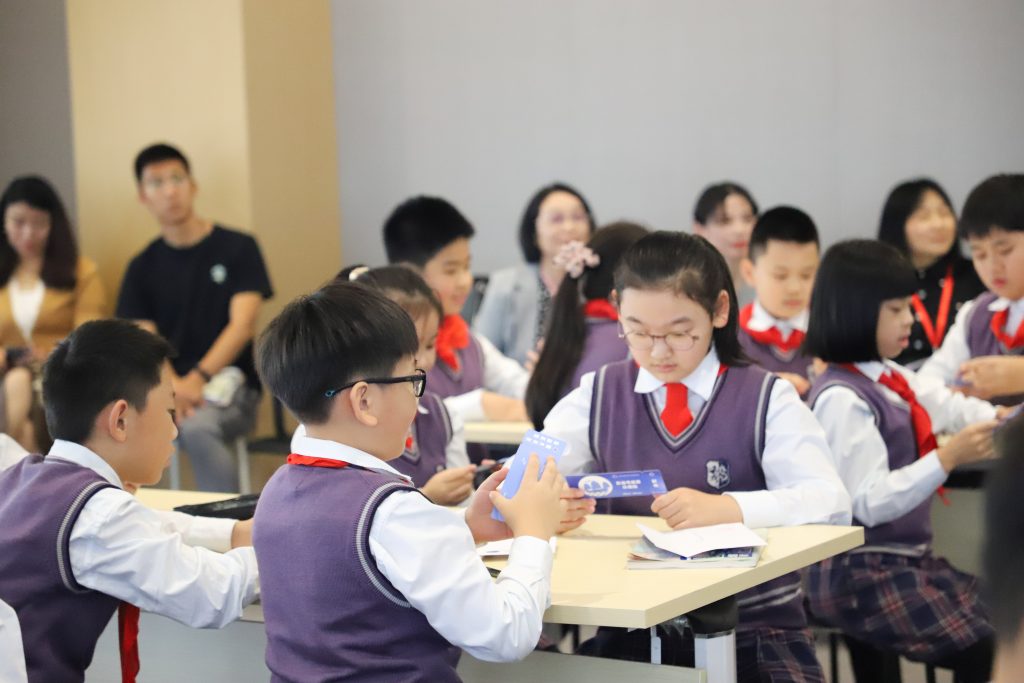
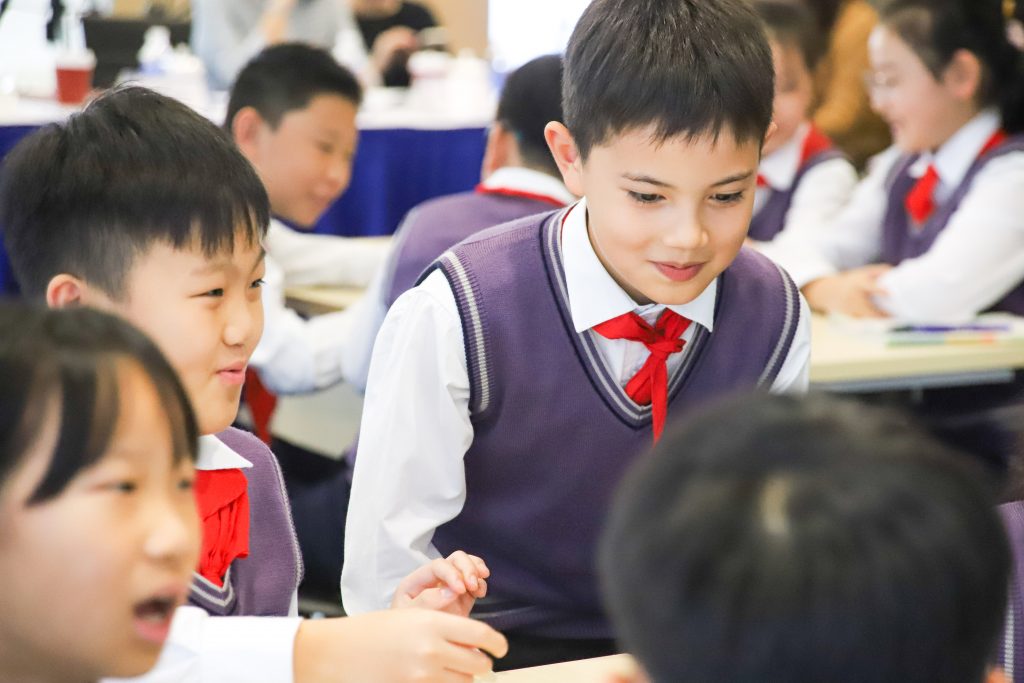
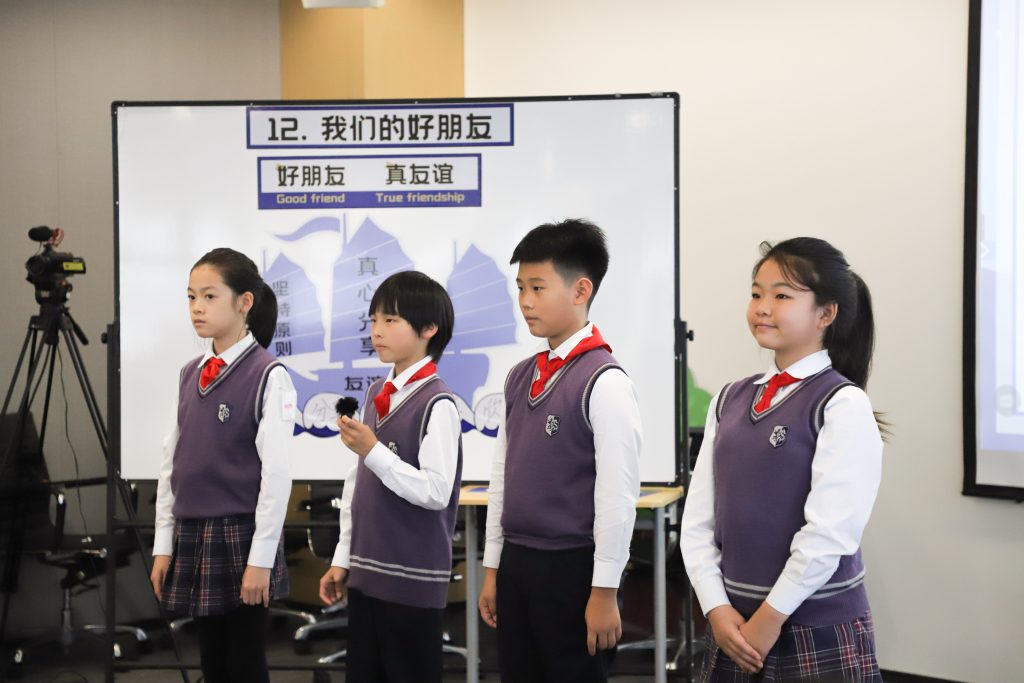
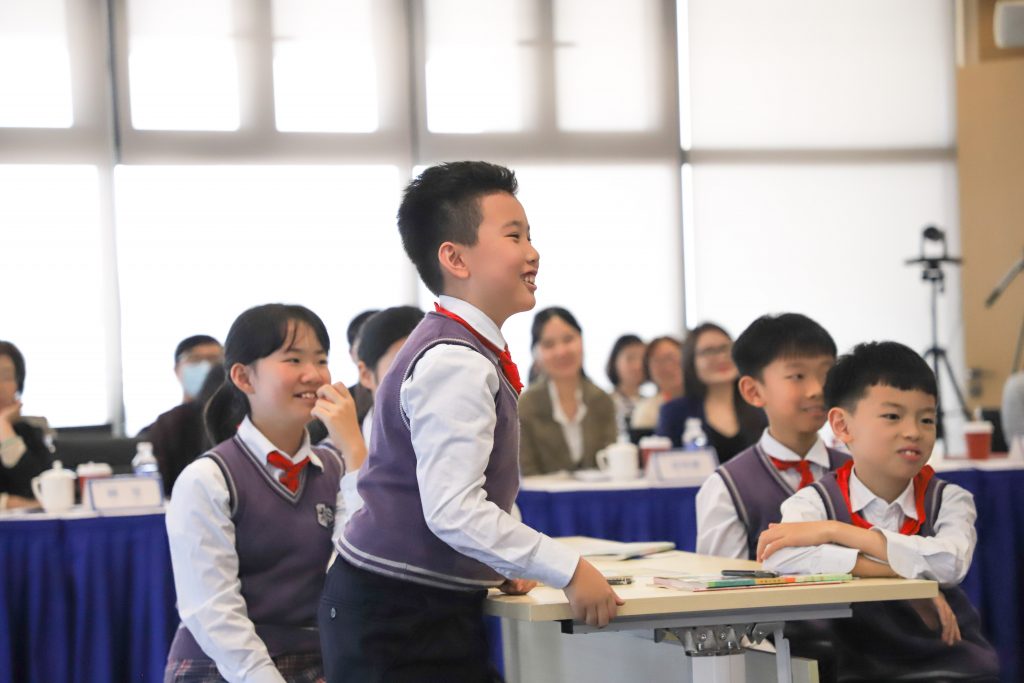
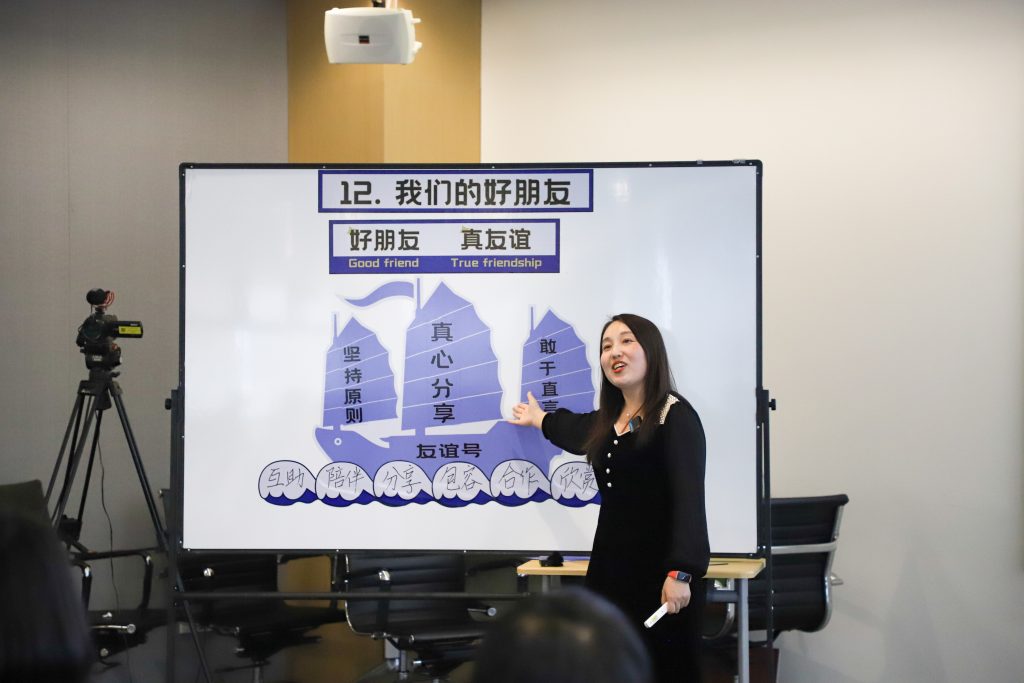
In the lesson “Friend’ship’”, Ms Sara Yu’s teaching was centred around the theme of “Sailing with Sincerity and Starting a True Friend’ship’”. Through the lesson introduction of a scenario entitled, “Boarding the ship and setting sail”, Ms. Yu combined the actual situation in the school with the creation of a new problem to solve. In the process of solving real-life problems, Ms Sara helped students identify what true friendship is, further established a correct view of friendship, and helped students learn how to get along with friends and master the methods of maintaining friendships. Gradually, students’ inner drive to make friends and cherish them was stimulated.
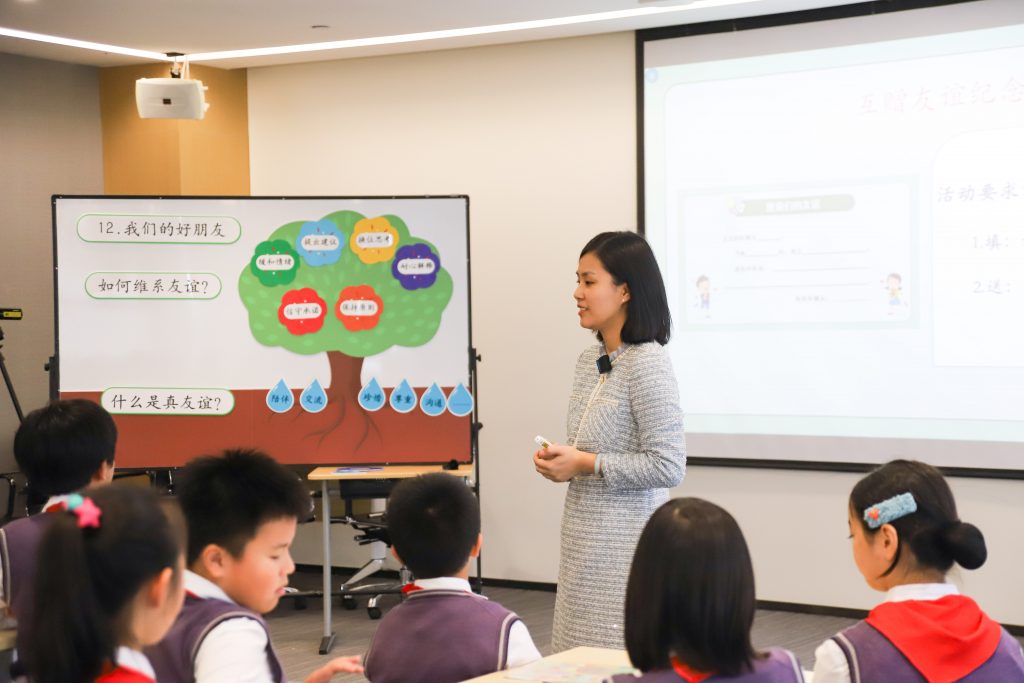
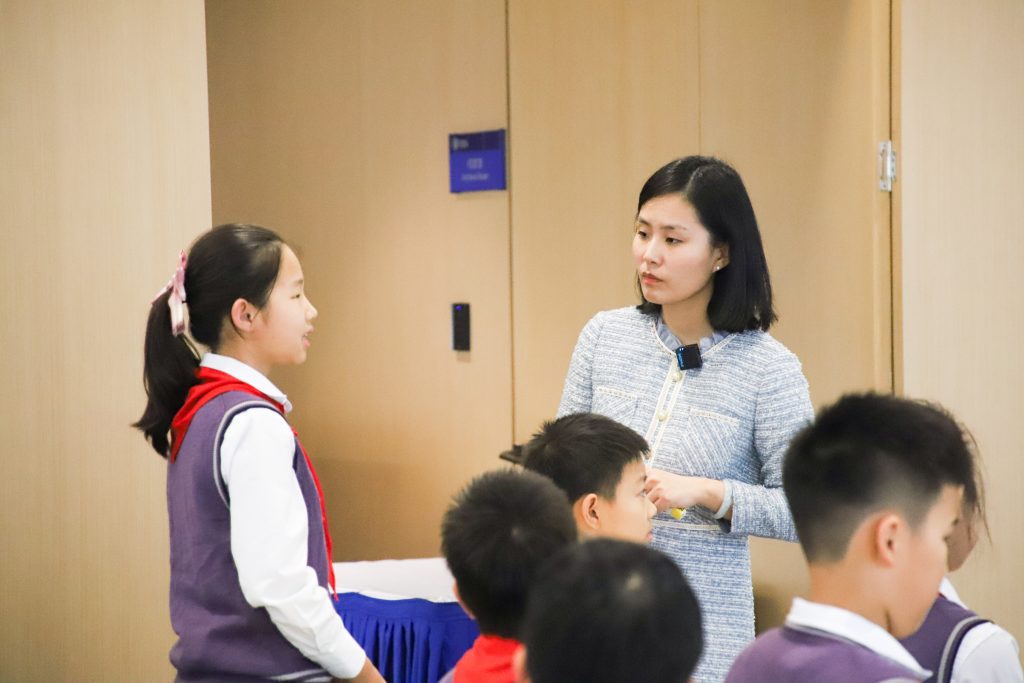
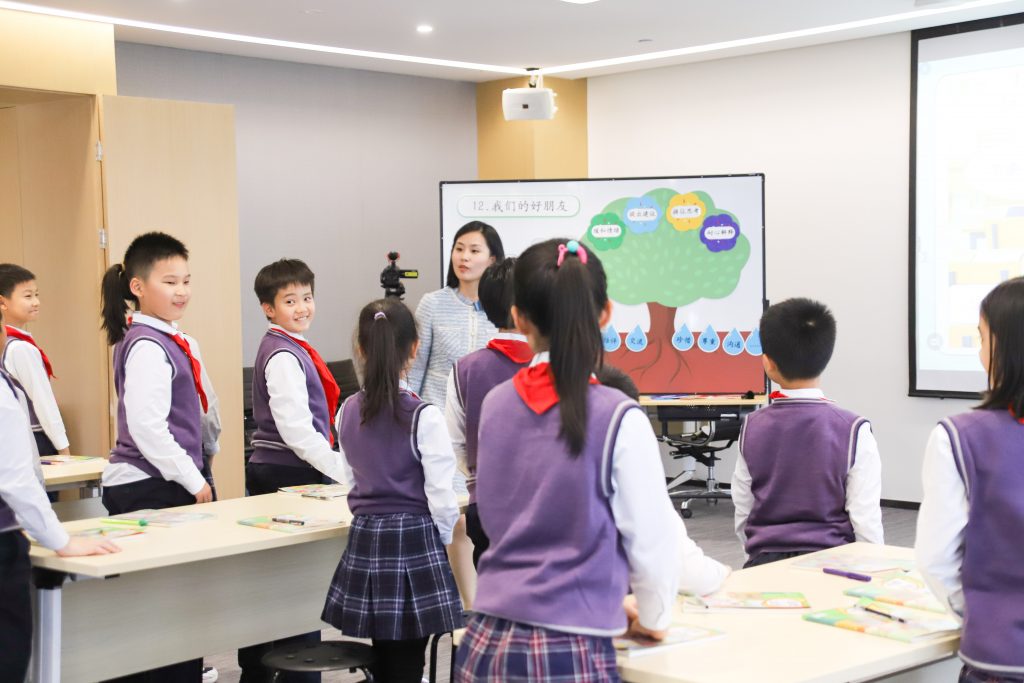
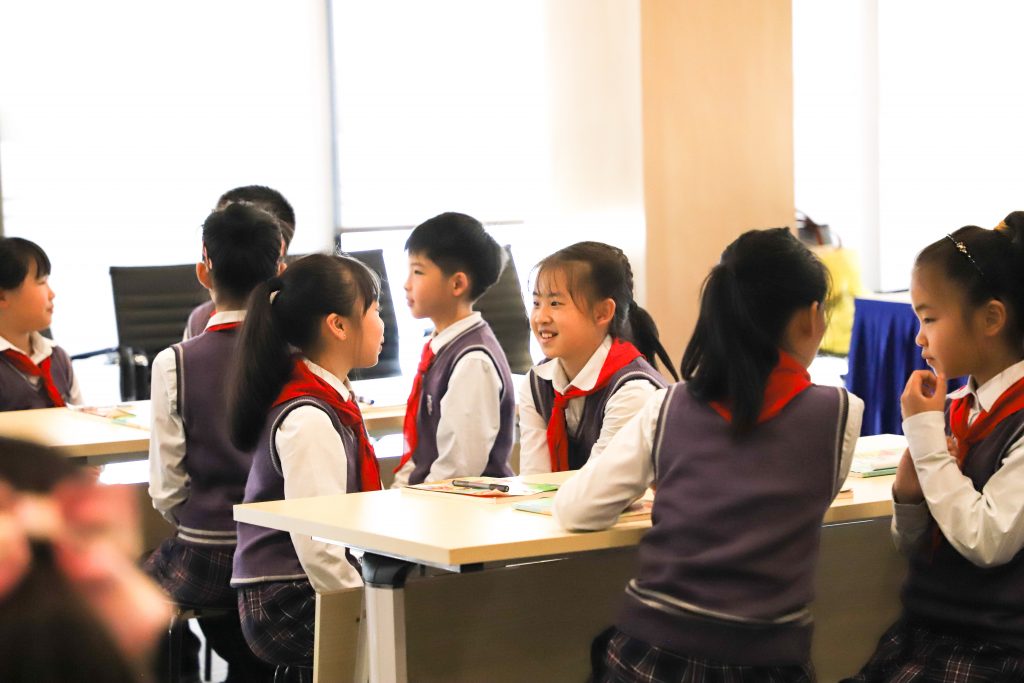
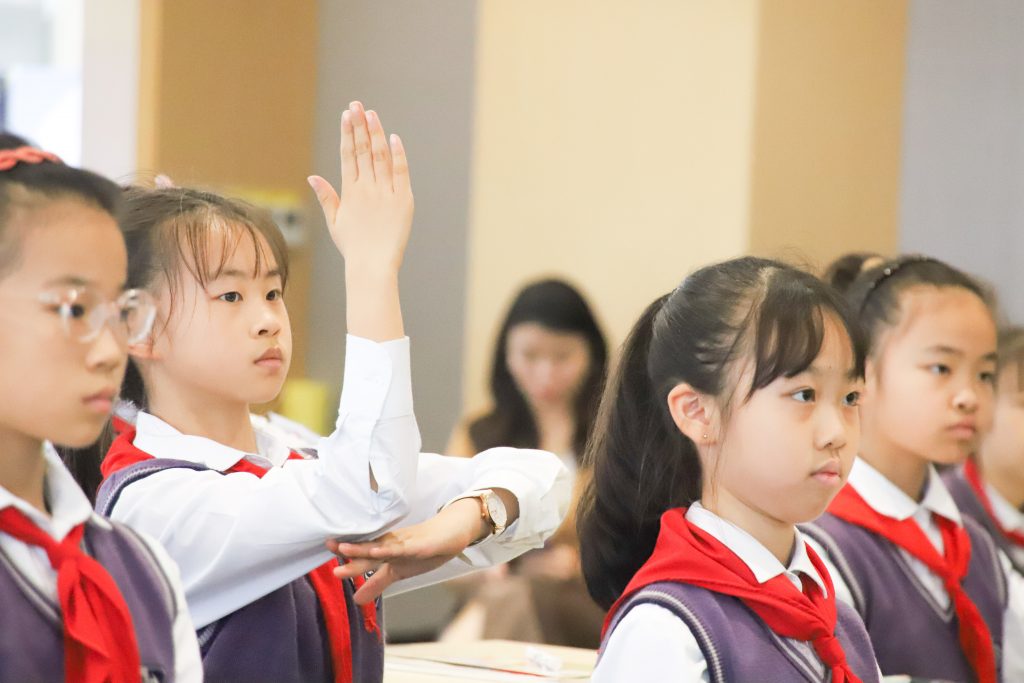
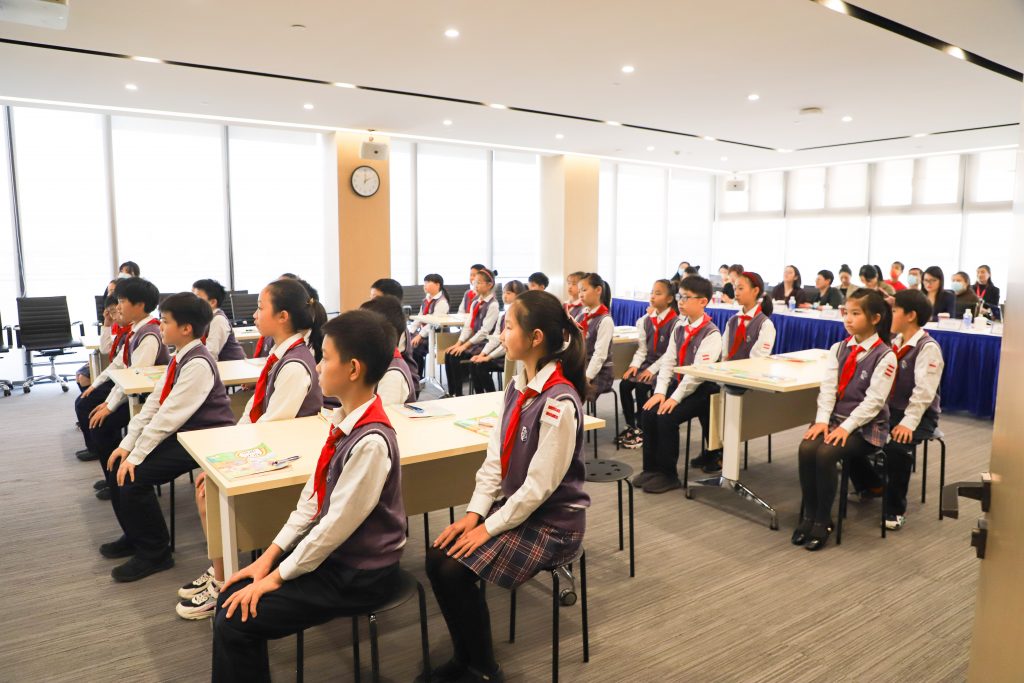
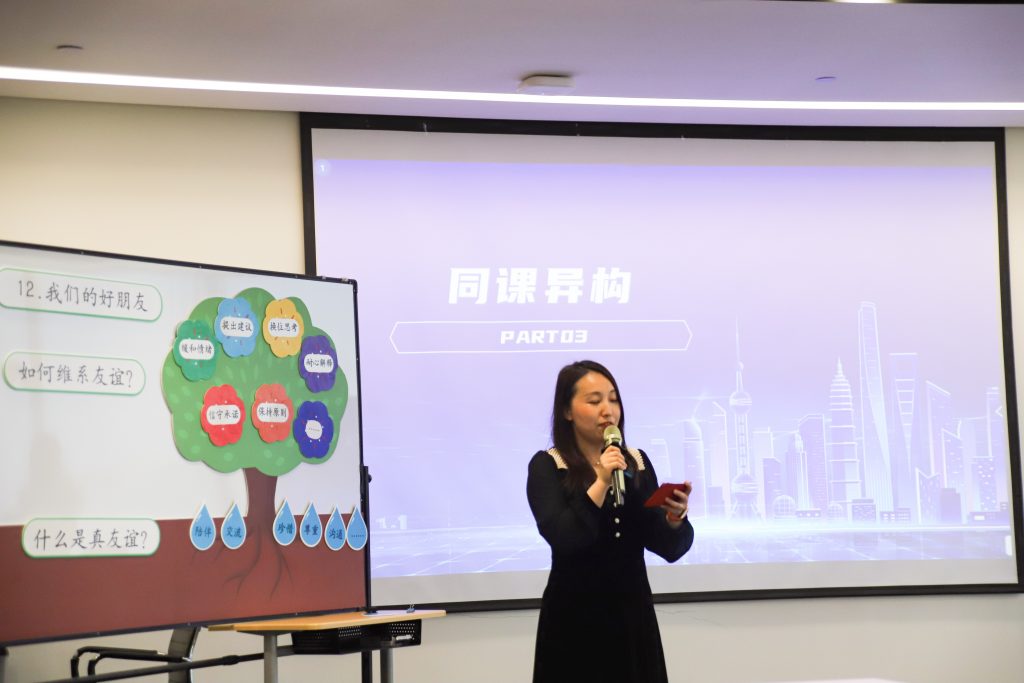
In her lesson entitled, “Friendship Tree”, Ms Gui Tingting applied the teaching method of roleplay, and, through different scenes and by getting students to solve key problems one-by-one, students’ minds were opened. They worked at figuring out the core of every problem, and this process both subtly strengthened their understanding of content and allowed them to immerse themselves in real-life scenarios. The two teachers successfully innovated their teaching methods and as a result offered students a profound learning experience.
Harmonious and Diverse – every form of beauty has its uniqueness
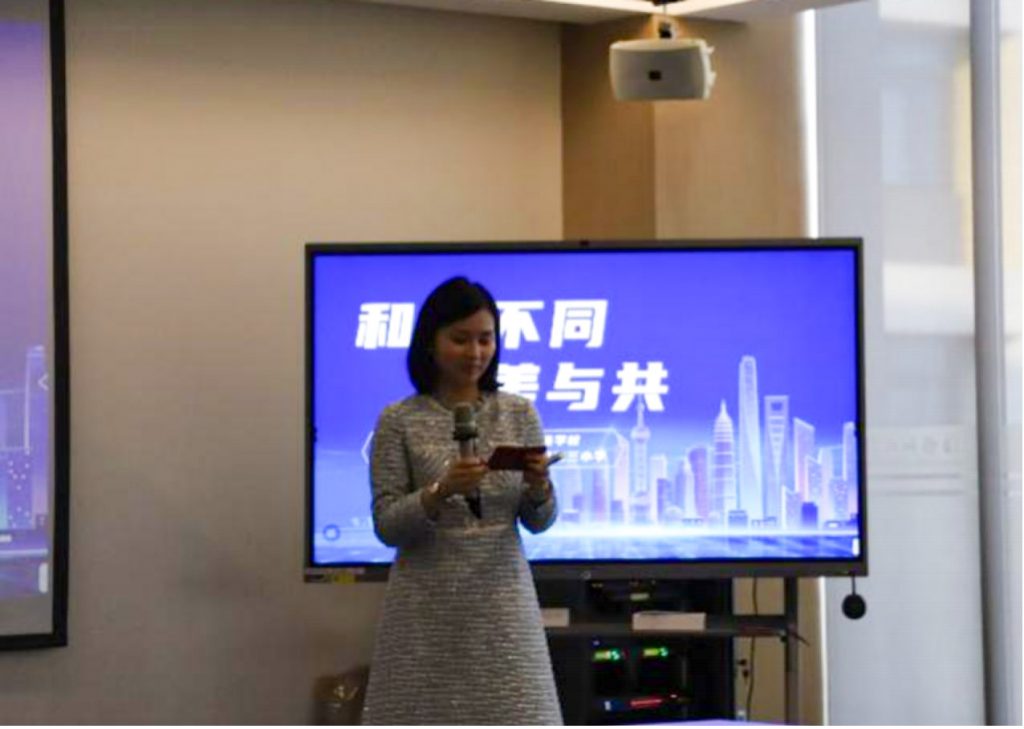
Through dialogue and interaction, Ms Sara and Ms Gui exchanged their experiences and thoughts in the process. From the perspective of “same lesson different structure,” they shared on their interpretation of teaching materials, the analysis of learning situations and how the design of teaching objectives were carried out. The two teachers successfully delivered effective instruction from multiple angles, managing to guide students to correctly understand friendship more deeply and to learn to care for and understand friends. This in turn led to the achievement of cultivating virtues and character.
The two teachers also revealed to us the support received and exploratory experiences from their respective schools and districts in the context of technology in education under the regular pandemic prevention and control measures, and how each school explored the transformation of teaching and learning methods in the context of “double reduction”. Active support allows teachers and students in different situations to participate in the classroom without ‘barriers’, so that learning becomes more efficient.
Led by Experts, Sailing with Effort

Xiong Jiangting,
Famous Teacher (Qingpu District)
Gardener Award
Shanghai Qingpu District Teacher Training College
Primary School Ethics Course Researcher
Yu Huiwen
Director of the Large, Medium and Small Integration Center of Shanghai Teacher Training Center
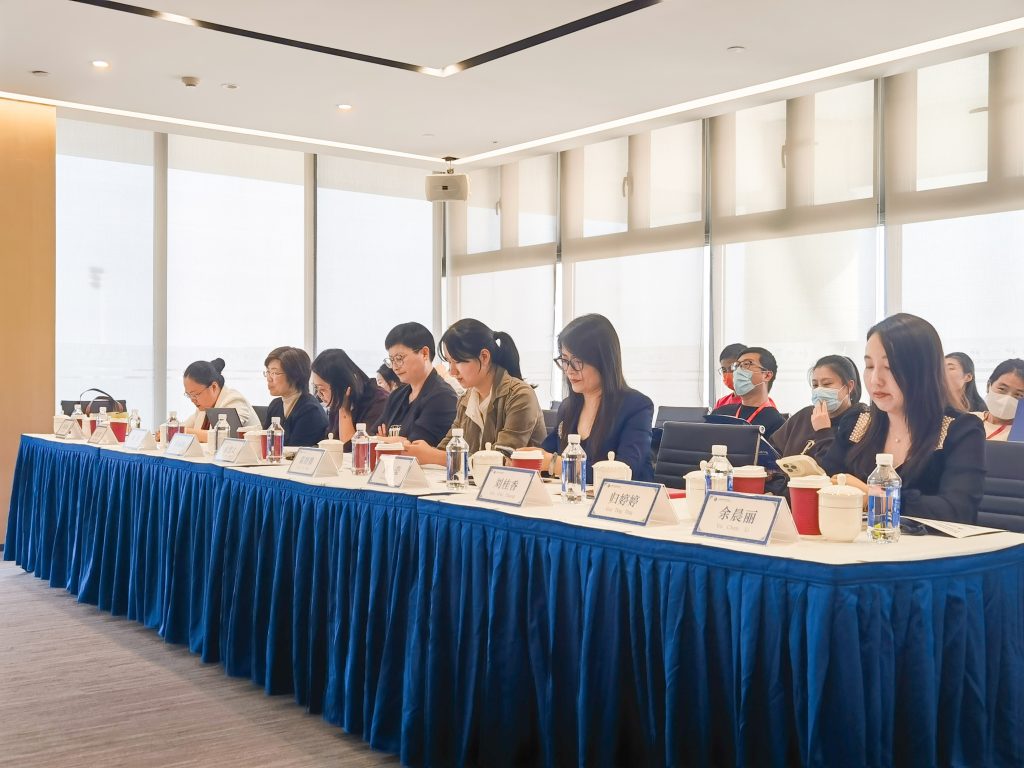
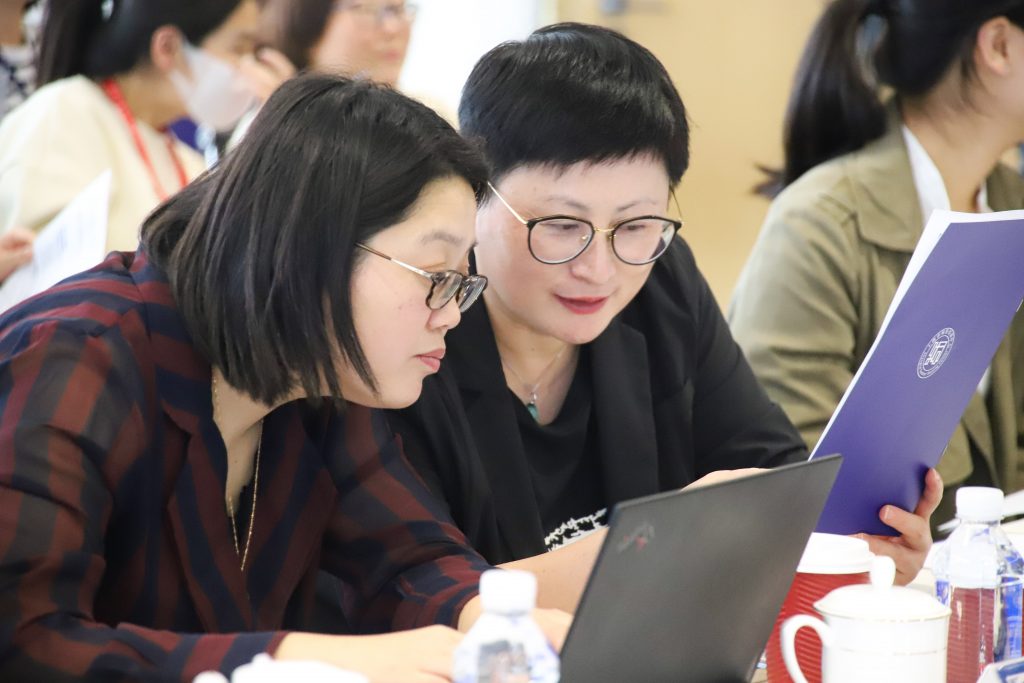
During this session, teachers received strong support from the experts and teachers of the Shanghai Teacher Training Center and from the district-level teaching and research center. The experts, having always adhered to the “online + offline” interactive teaching and research format, gave the two teachers precise teaching and research guidance, guiding them to pay attention to the development of students’ core competencies, and helping them create Ethics classes that promote students’ all-round positive personality traits.
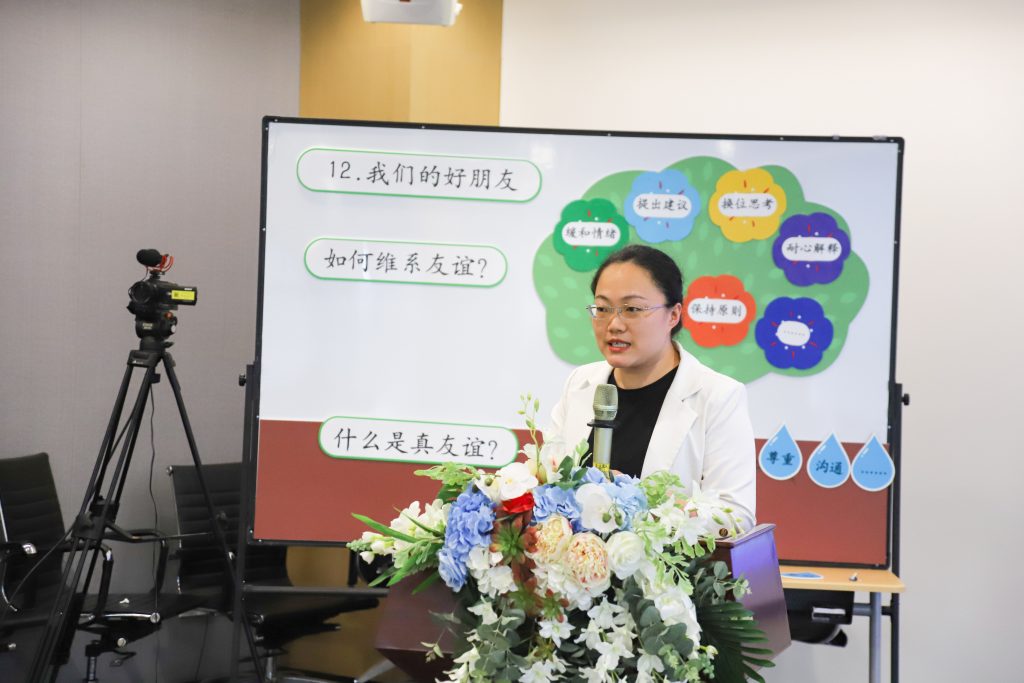 According to the classroom design of the two teachers, Xiong Jiangting, researcher from Shanghai Qingpu District Teacher Training College, put forward the professional growth direction for teachers of Ethics from the perspective of focusing on student literacy and understanding the transformation to learning-centered teaching methods under the guidance of the new curriculum standards. Ms Jiangting affirmed the classroom design of the two teachers to drive students’ deep thinking of real-life problems. It was evident to all that the teachers paid continual attention to the development of students’ character through the interaction between teachers and students, fully reflecting the importance of focusing on students’ literacy. Ms Jiangting hoped that more teachers would actively participate in the teaching of and research design processes for Ethics courses, and collaboratively discuss classroom construction under the “double new” concept.
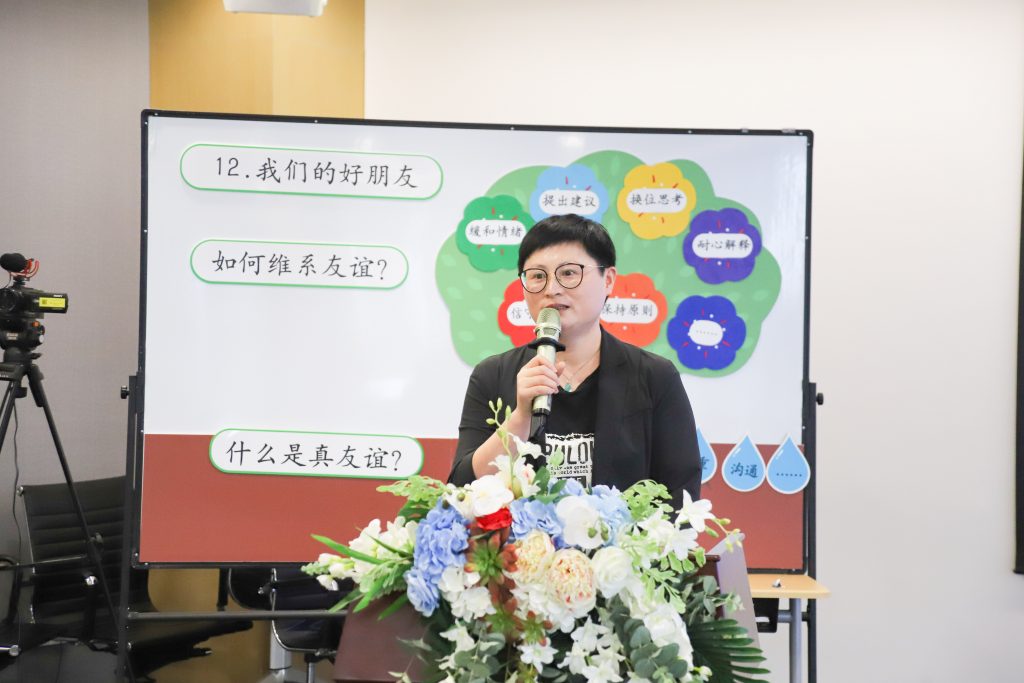 Ms Yu Huiwen, Director of the Integration Center of the Shanghai Teacher Training Center, elaborated on the value and significance of the activity of “online and offline mixed teaching and research + same lesson but different structure” from the three perspectives of “the context of digital transformation”, “Ethics teachers in primary schools ” and “professional development”. Beginning with the demonstrations of the two teachers, the characteristics of politics, science and storytelling in the Ethics classroom were analyzed. She pointed out that Ethics teaching in primary school should always adhere to the two-way approach of teachers’ professional development and student growth, and should also strive to let students understand what they know and why they are in the classroom.
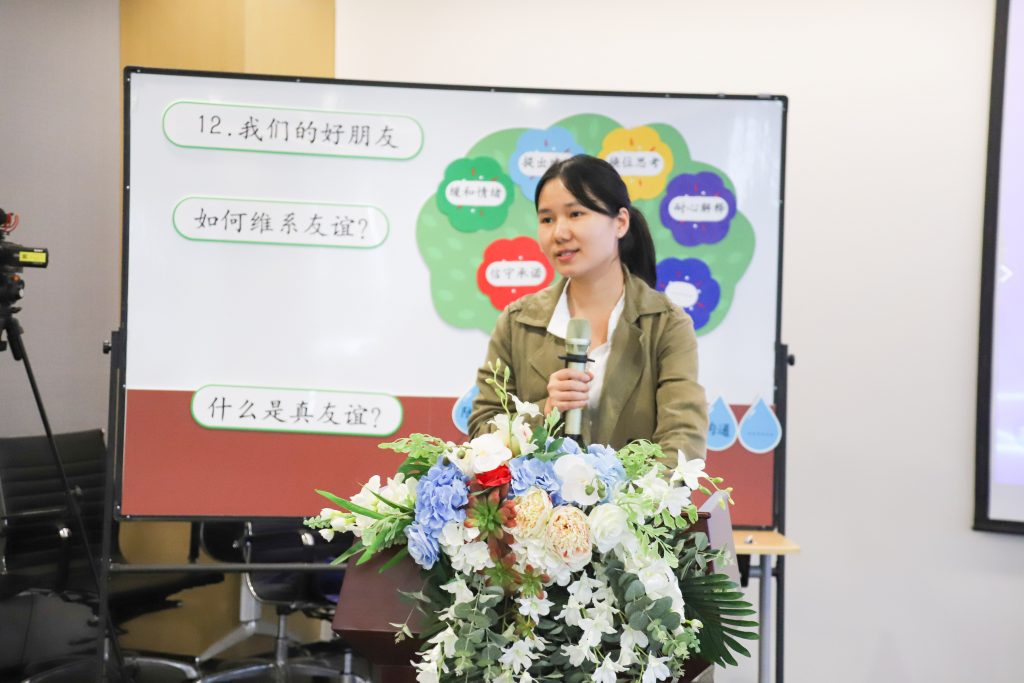
Finally, Ms Huo Yuxin, from the Private Office of the Shanghai Municipal Education Commission, pointed out that the form of heterogeneity of the same class and borrowed classes in both public and private schools has furthered the exchanges between public school and private school teachers and promoted the teaching and research form of collaborative construction. Regarding the interesting and active nature of the two lessons, she mentioned that a good Ethics course should be political and constructive, and a set of good courses needs to build a community of teachers and students. Only by truly respecting students’ differences, paying attention to students’ mental health, and paying attention to the cultivation of interests can we create an Ethics class that can enter students’ inner worlds. It is expected that more platforms for teachers’ professional growth will be built, that more community-run schools to learn and research together will be established, and that more Ethics course resources for teachers will be accumulated.