

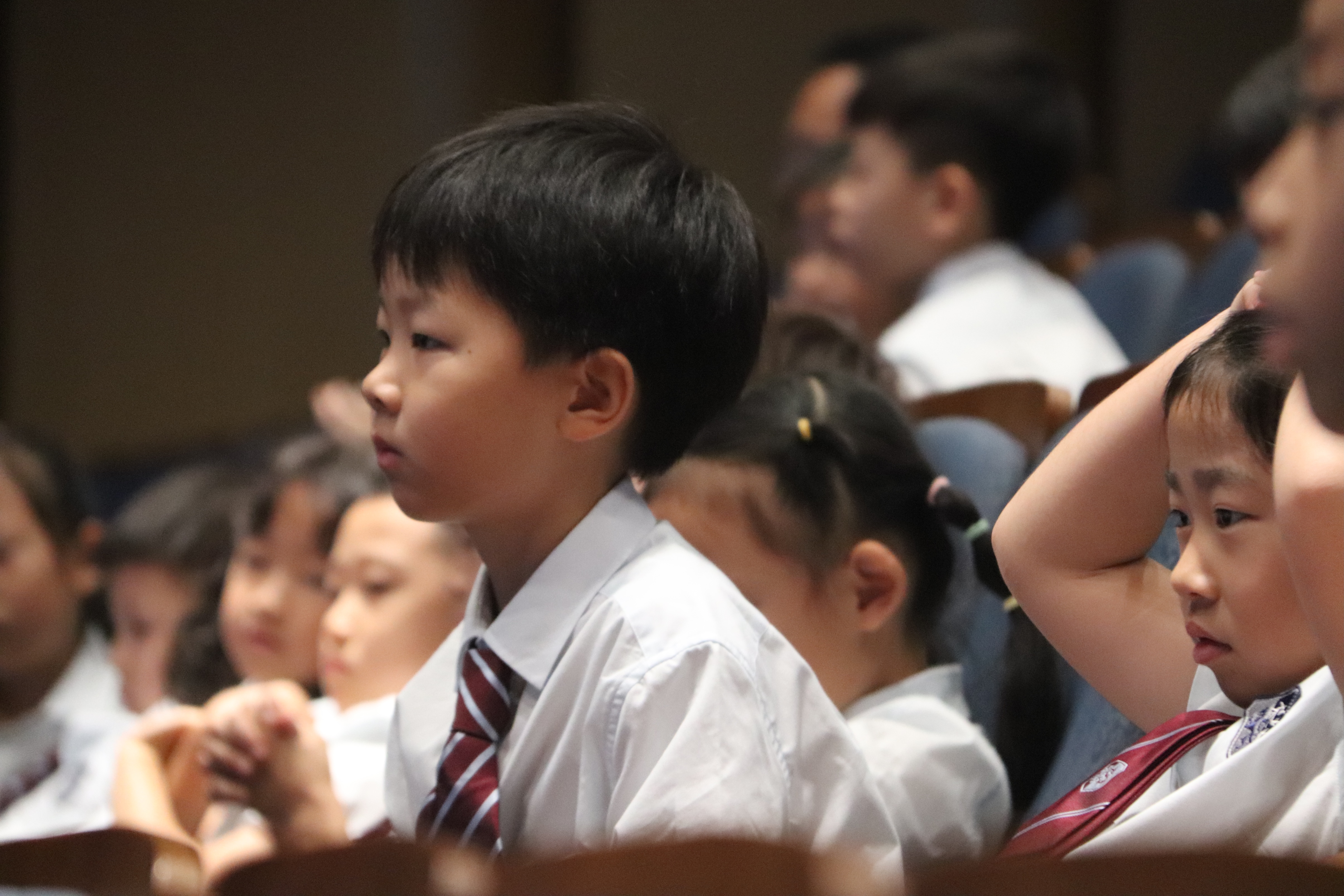
While halfway through homework, the door is suddenly pushed open. I look up for a moment, and before I know it, I have skipped several questions.
Just as I reach the key step of a problem, my desk mate suddenly leans over to talk. By the time I recover, I no longer know where I was in the calculation.


What Is Attention?
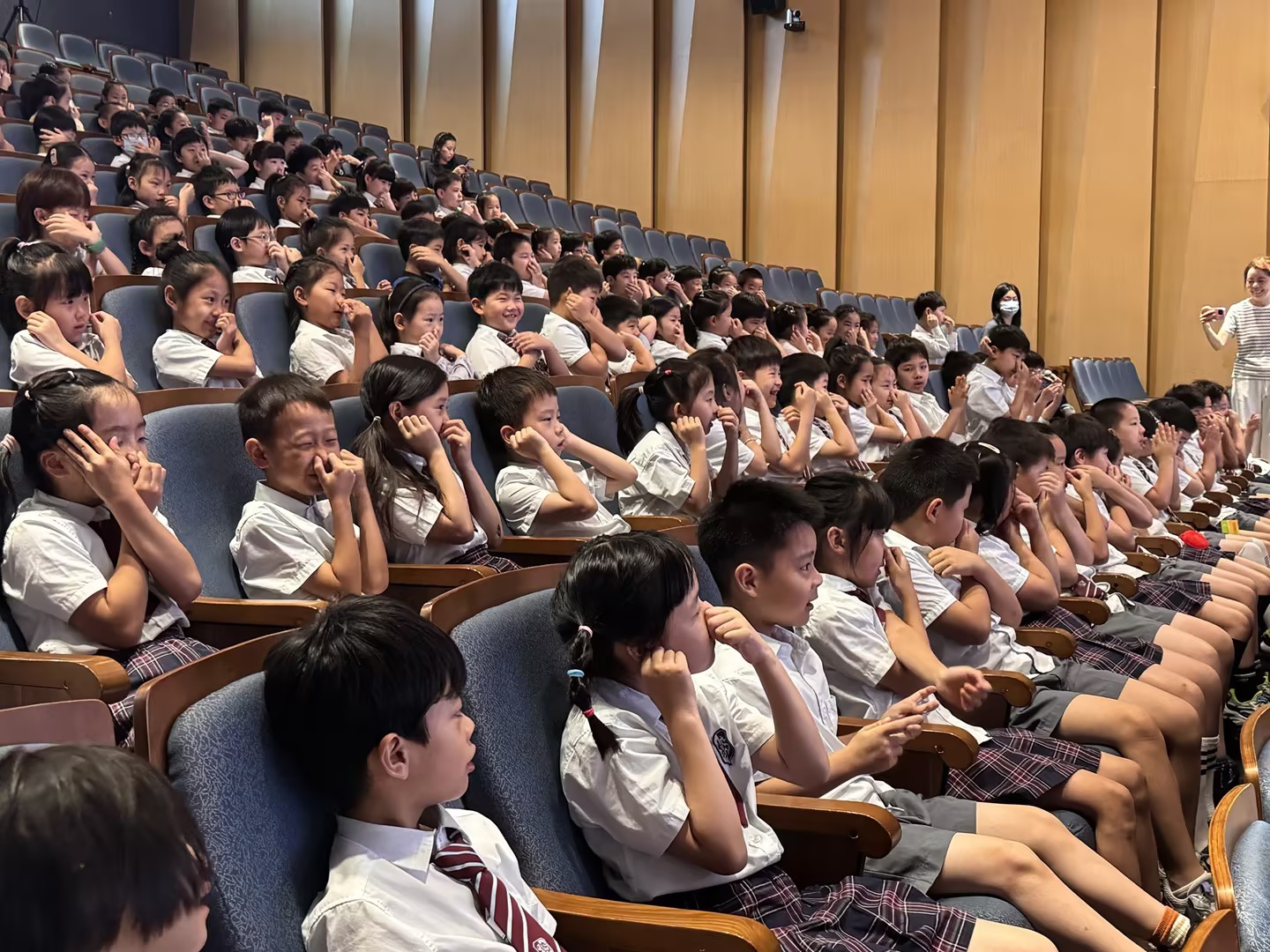
The lecture began with a small game: lower Primar grade children, led by Ms Yu, had great fun playing “Touch Your Ears, Grab Your Nose.” The children realised that attention is limited and discovered that to win, they had to firmly “lock” their attention onto the commands.


Students’ imaginations ran wild, and they rushed to answer: “It’s being very focused!” “When you run into something you like, you have attention!” “Being serious is attention!”


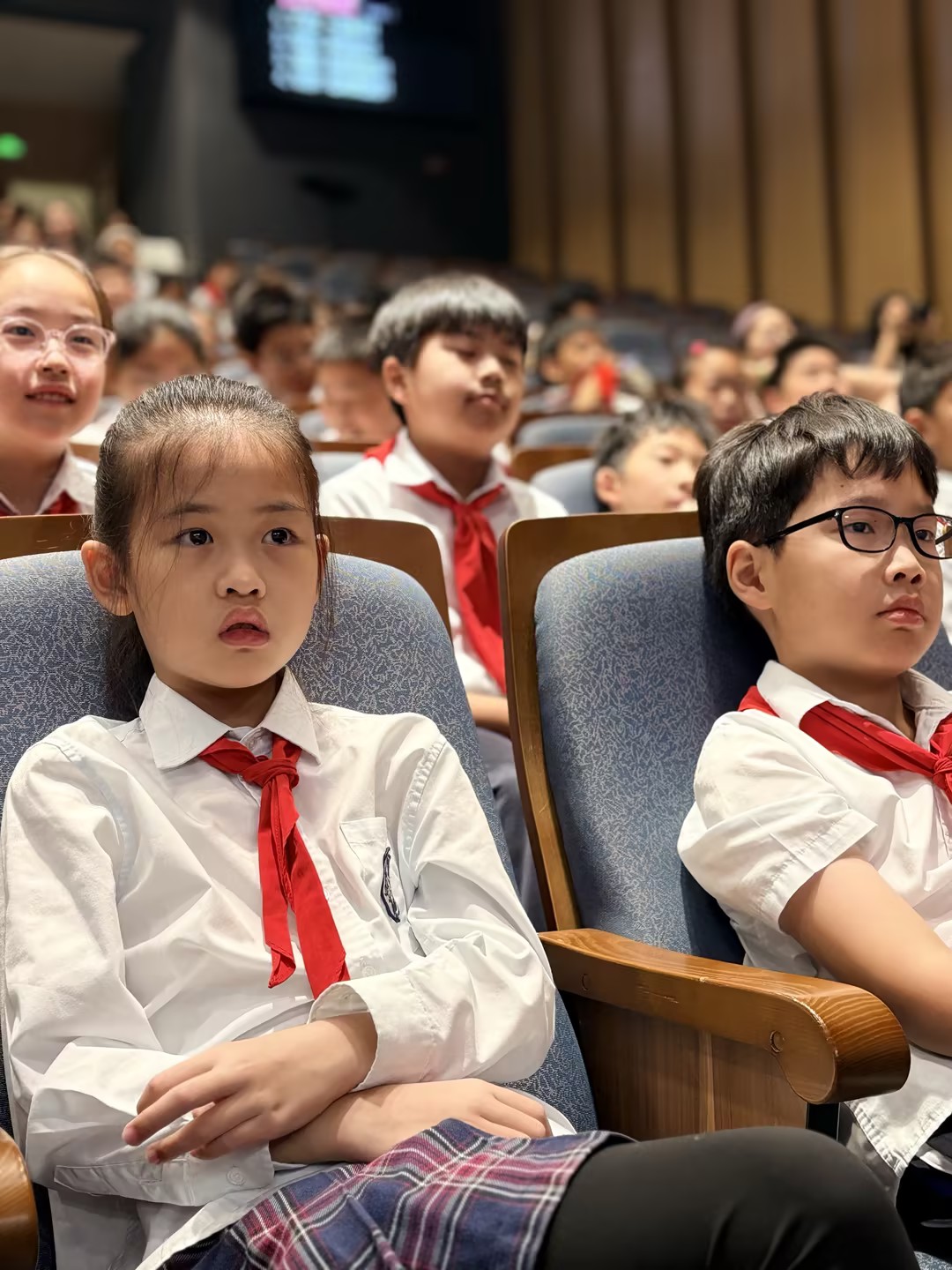
In the same segment, the lower Primary grade children, through the activities prepared by Ms Yu — “Changing Images”, “Look at the Picture and Name the Colour”, “Little Detective” and “What Do I See?” — cleared each level and found the four keys to opening the treasure chest of attention.


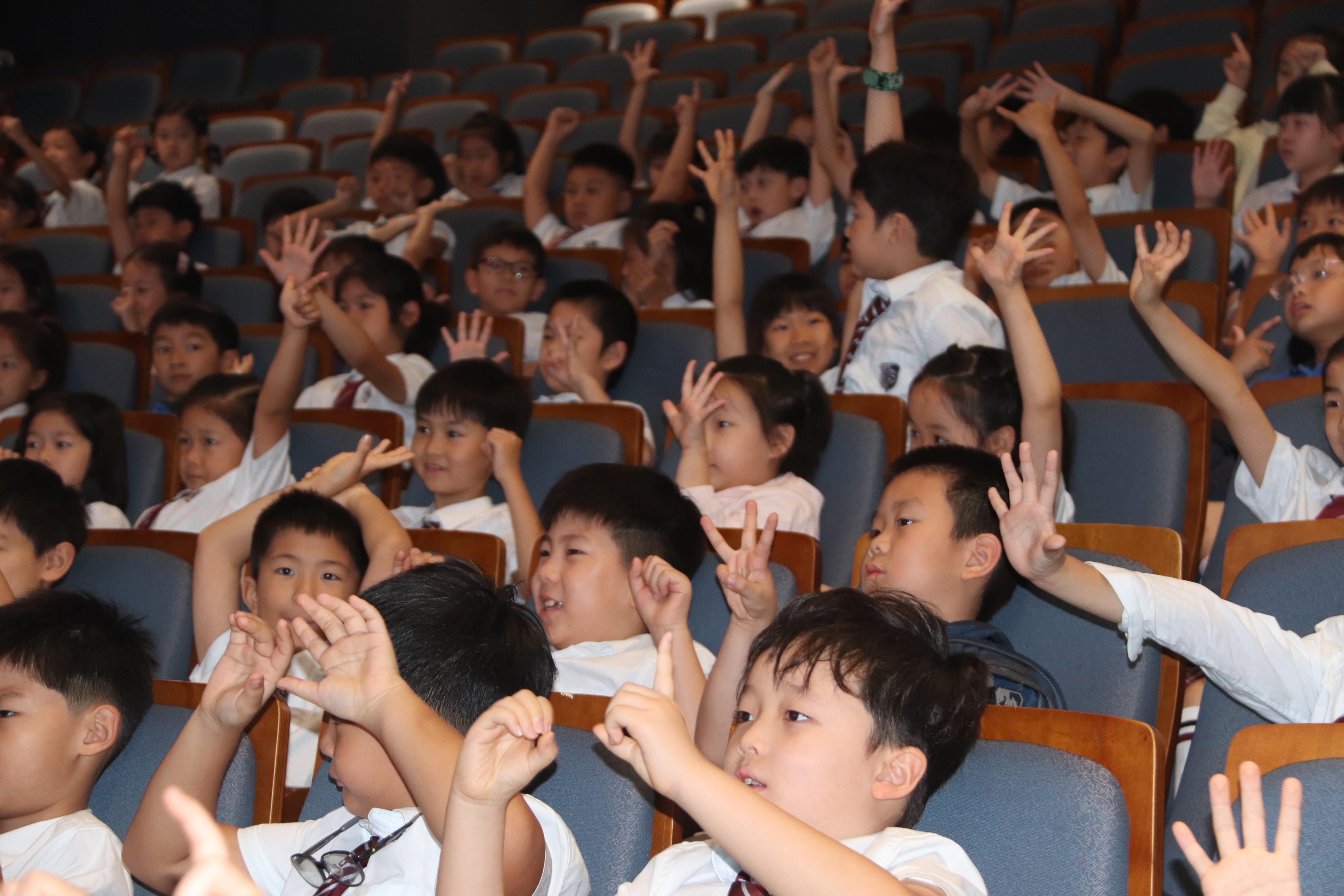
Mr Zhu led the higher-grade students through perspective drawings and Haydn’s “Surprise” Symphony, allowing them to personally feel what involuntary attention is and to understand that people’s attention is easily shifted by visual and auditory stimuli. In a video clip, some students were doing homework with their heads down while others nearby were playing around. Everyone discussed: Would the student doing homework be disturbed? Why could some people still keep studying?
It turns out that voluntary attention (also called “purposeful attention”) emphasises conscious participation and requires active control. Involuntary attention (also called “non-purposeful attention”) refers to attention that occurs naturally without a preset goal and requires no effort of will.
Game videos automatically attract our eyes; this is involuntary attention. Studying requires us to hold out against temptation through our own willpower; this is voluntary attention. However, the ability to focus voluntary attention is not innate; the more you practise, the stronger it becomes.

_cuva


Then it was time to practise on the spot: Schulte grids, moving balls, and Mario Party mini-games came one after another. While playing games, the students reviewed the four major attention skills and learned practical ways to train voluntary attention.
At the same time, since older students frequently face exams and easily get flustered when nervous, Mr Zhu and Ms Yu organised and shared a four-word formula for resisting exam tension: Relax, Even, Calm and Joy. They led all students in practising the 4-7-8 breathing method. Following the rhythm — inhale, hold, exhale — they relaxed their tense bodies, drove away distracting thoughts, and brought their attention back to the learning and challenges before them.
At the end of the lecture, Mr Zhu introduced ADHD, a condition related to attention, and left everyone with an intriguing question: are all people with ADHD geniuses? He invited the students to think about it after class and to discuss it further.


