


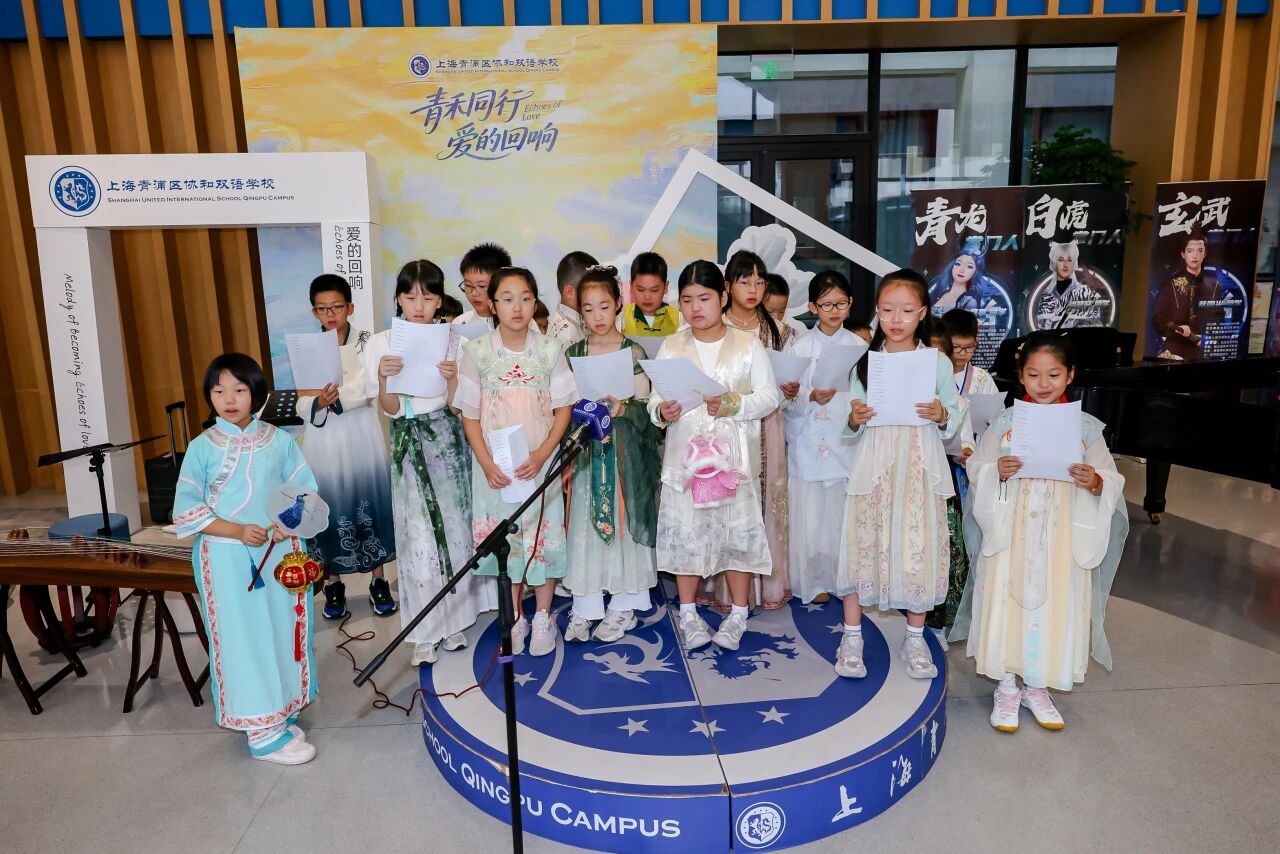
As the morning sun softened the fragrance of Osmanthus wafting through the SUIS Qingpu campus, the gentle melody of “Wish We Last Forever” began drifting from the school speakers. With the soft strains of “We wish each other a long life so as to share the beauty of this graceful moonlight, even though miles apart,” the Primary School’s Mid-Autumn Day event quietly commenced. What were the children at SUIS Qingpu Primary School up to on that day? No need to wonder—just follow the fading melody from the broadcast and take a peek inside the classrooms and activity corners.

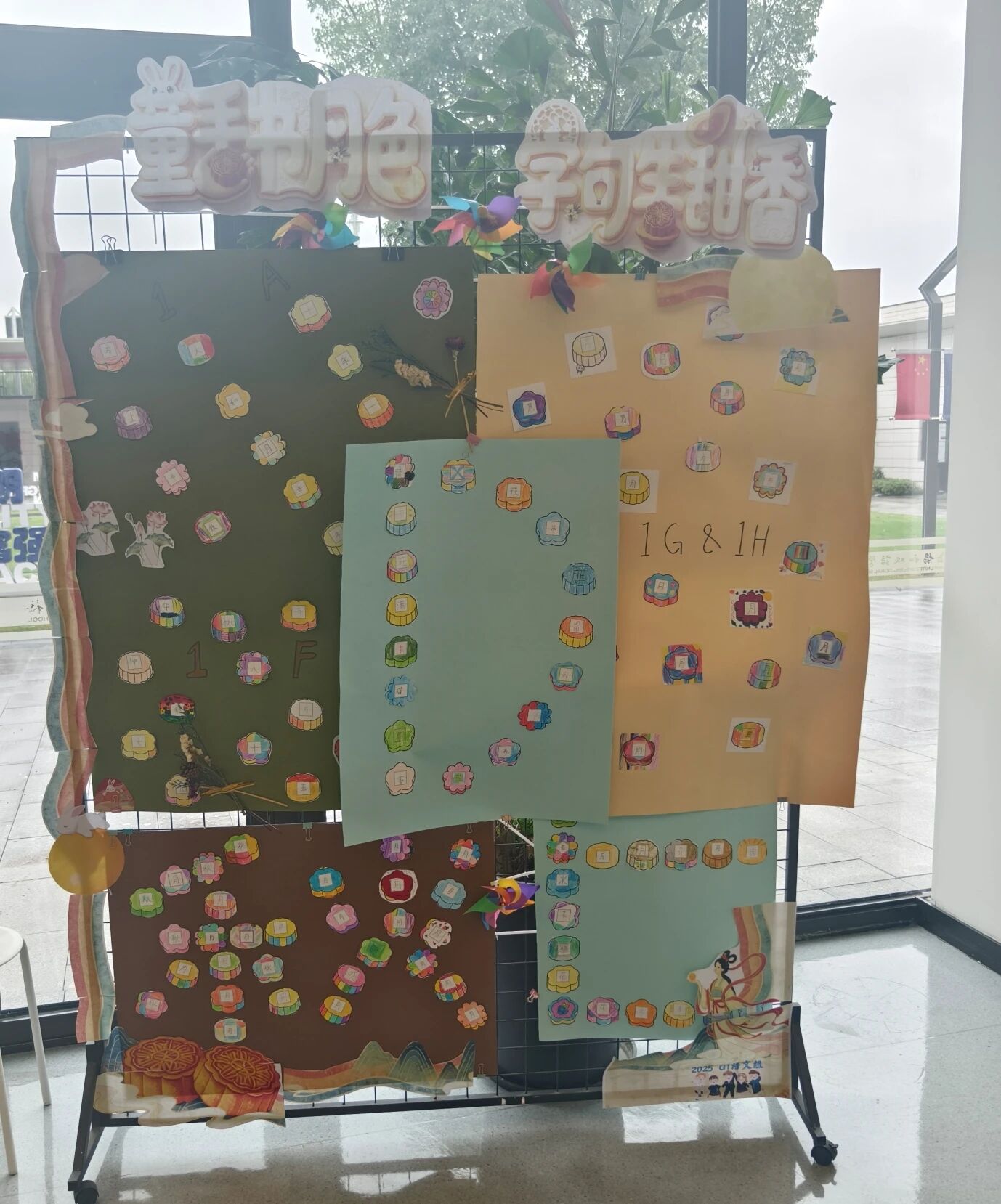
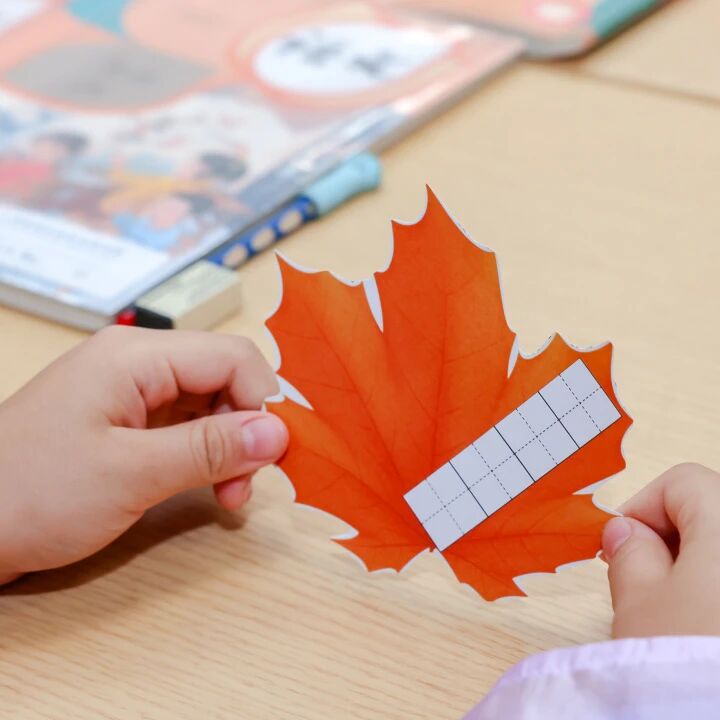 Second graders delved into a lesson on “Categorising Chinese Character Families, Exploring the Origins of Characters,” unlocking the cultural secrets hidden within characters like 月 (moon), 秋 (autumn), and 家 (home/family). Together, they traced the origins of these characters, as if travelling back millennia to chase the bright moonlight hidden within ‘月’, to taste the sweet harvest essence wrapped in ‘秋’, and to feel the warm happiness of reunion embodied by ‘家’.
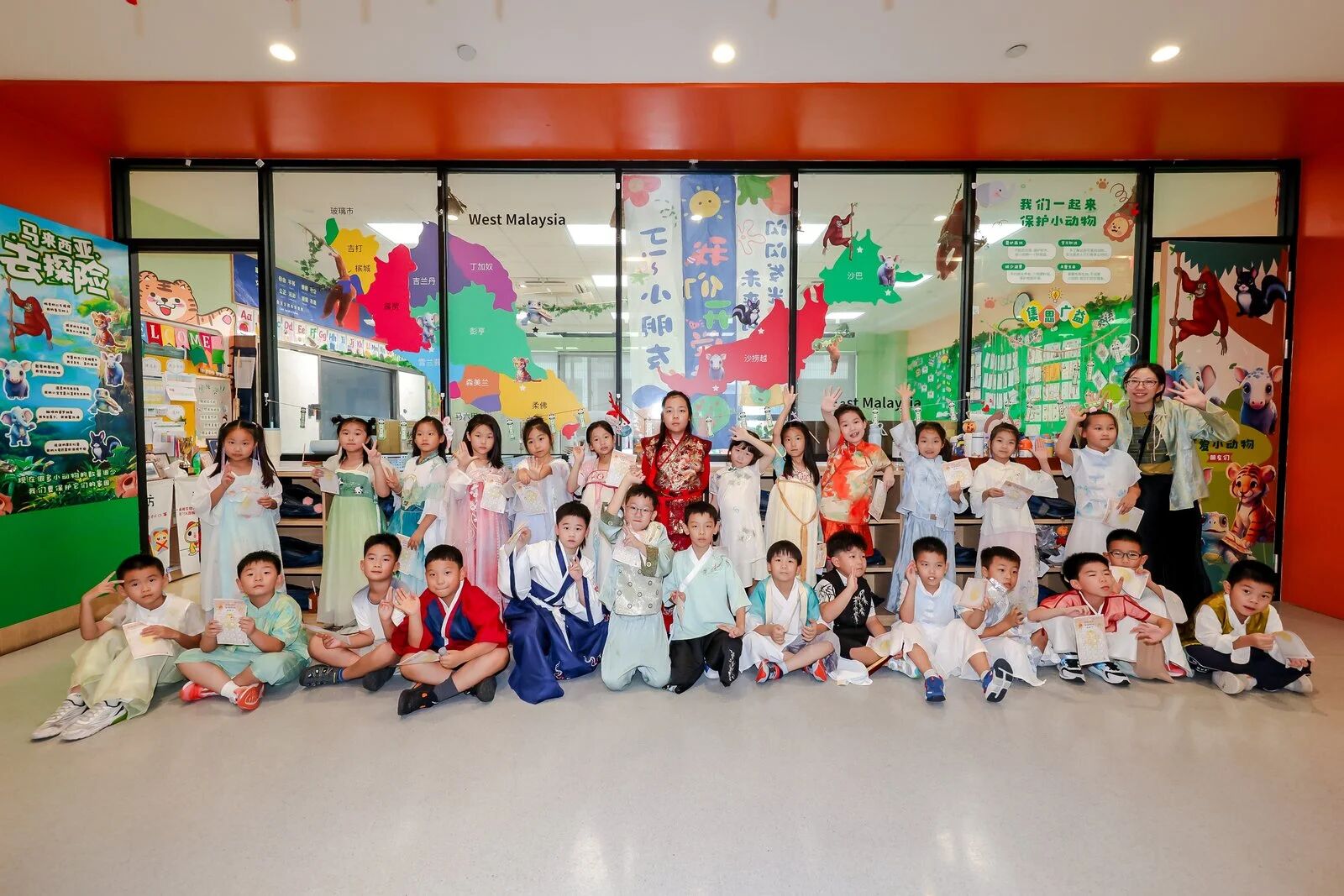
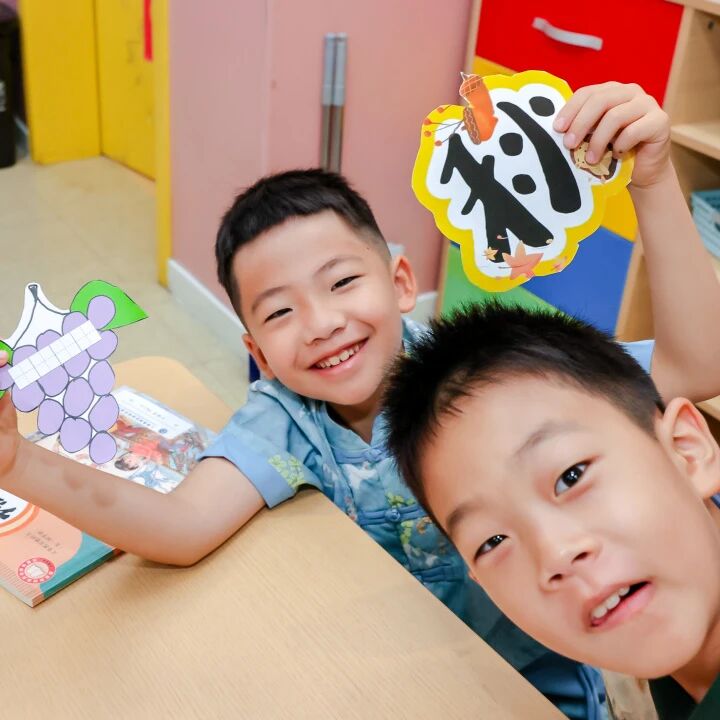
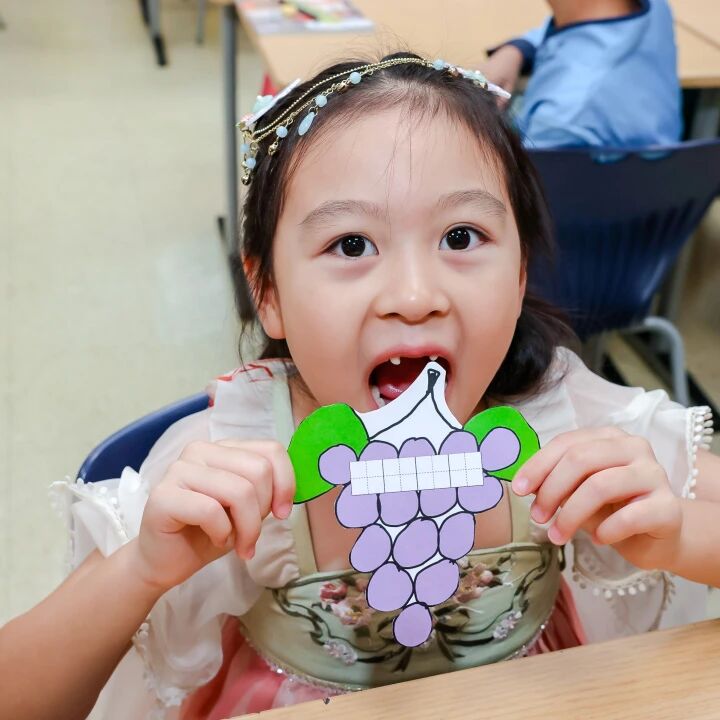
With osmanthus scenting the air and little hands cupping the moon, third-grade children used colourful brushes as their boats and yellow paper as their moon discs, planting osmanthus trees within the rhymes of “Quiet Night Thoughts.” Shooting stars streaked across the starry sky, a fluffy rabbit ran with wisps of cloud, and the children hid riddles about the heavens between the lines of poetry. When their painted Moon Palace awoke on the poetry wall, the scattered starlight and poetic rhythms transformed into beautiful poetic paintings.
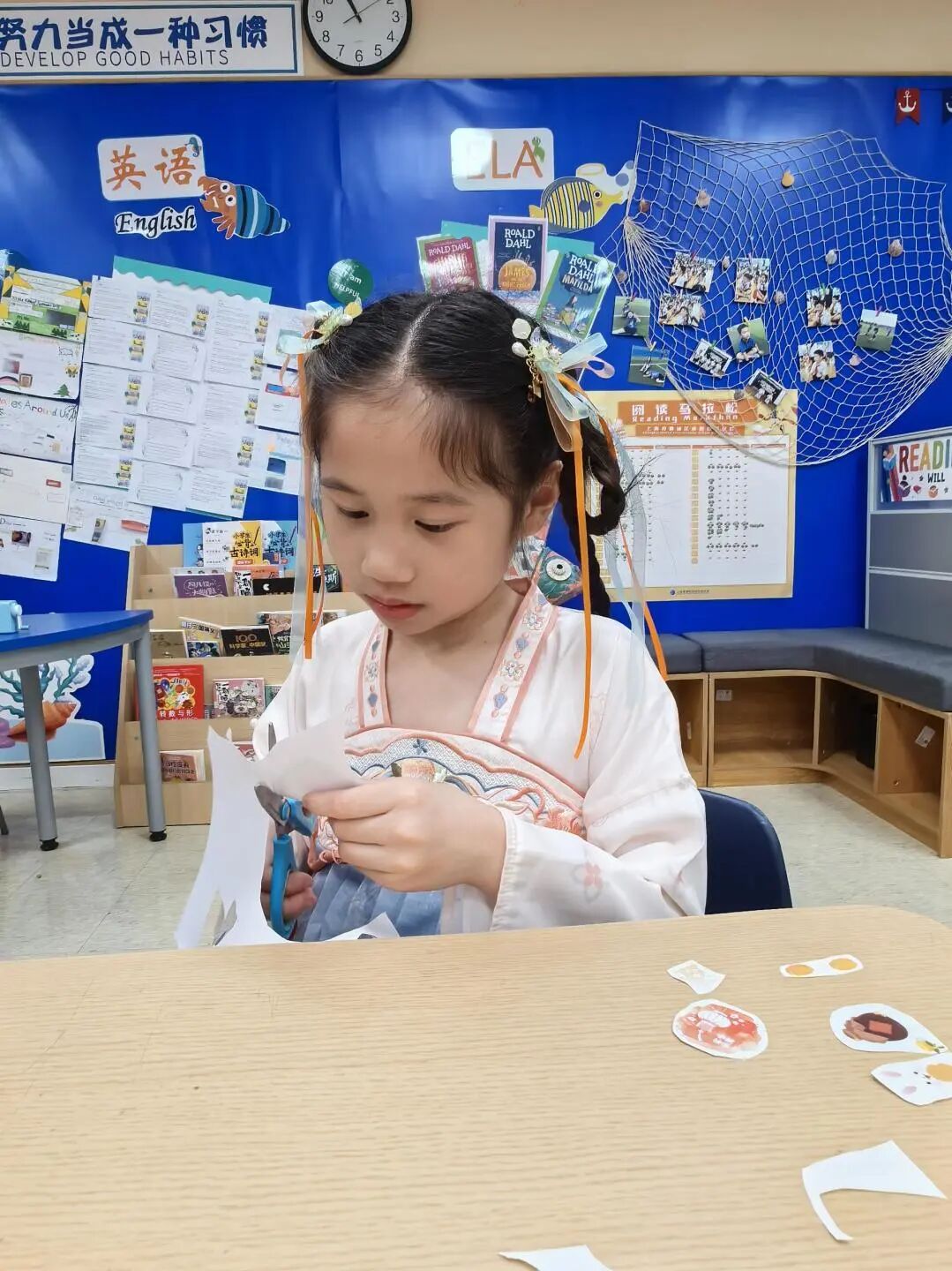
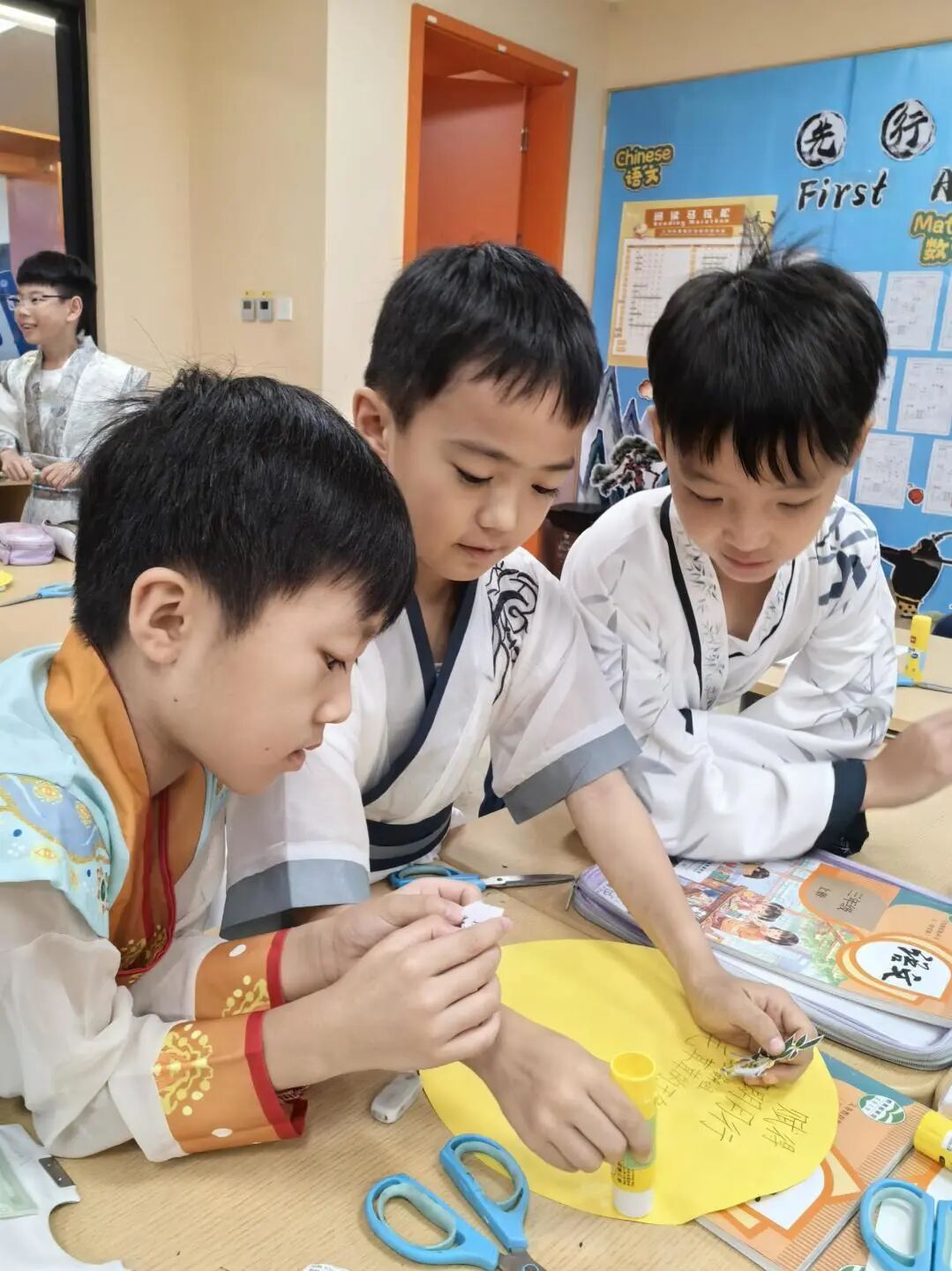
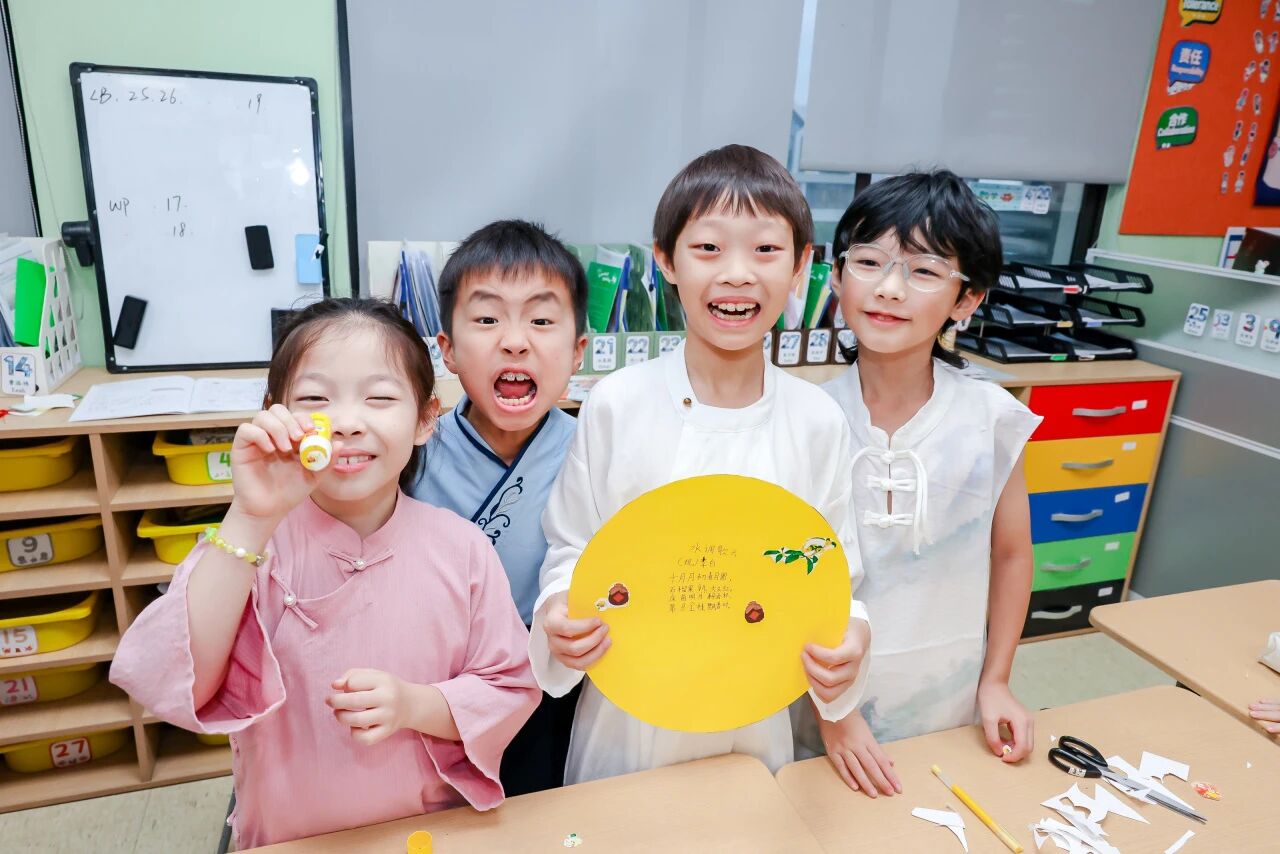
Fourth graders experienced the fun of Mid-Autumn in their osmanthus-scented classroom. Teachers and students sat together appreciating the classical text “Chang’e Flies to the Moon.” The teacher broke down the classical Chinese characters by word, vividly narrating the grace of “Chang’e holding the elixir and stepping onto the clouds” and the tranquillity of “the Jade Rabbit pounding medicine under the osmanthus shade.” The children’s eyes sparkled, and the sound of their clear reading, filled with curiosity, resonated throughout the room. Later, during the “Poetry Treasure Hunt,” they tiptoed around bookshelves and windowsills searching for cards, gathering in circles to recite the poems they found, their bright voices mingling with the osmanthus fragrance spilling out of the classroom.


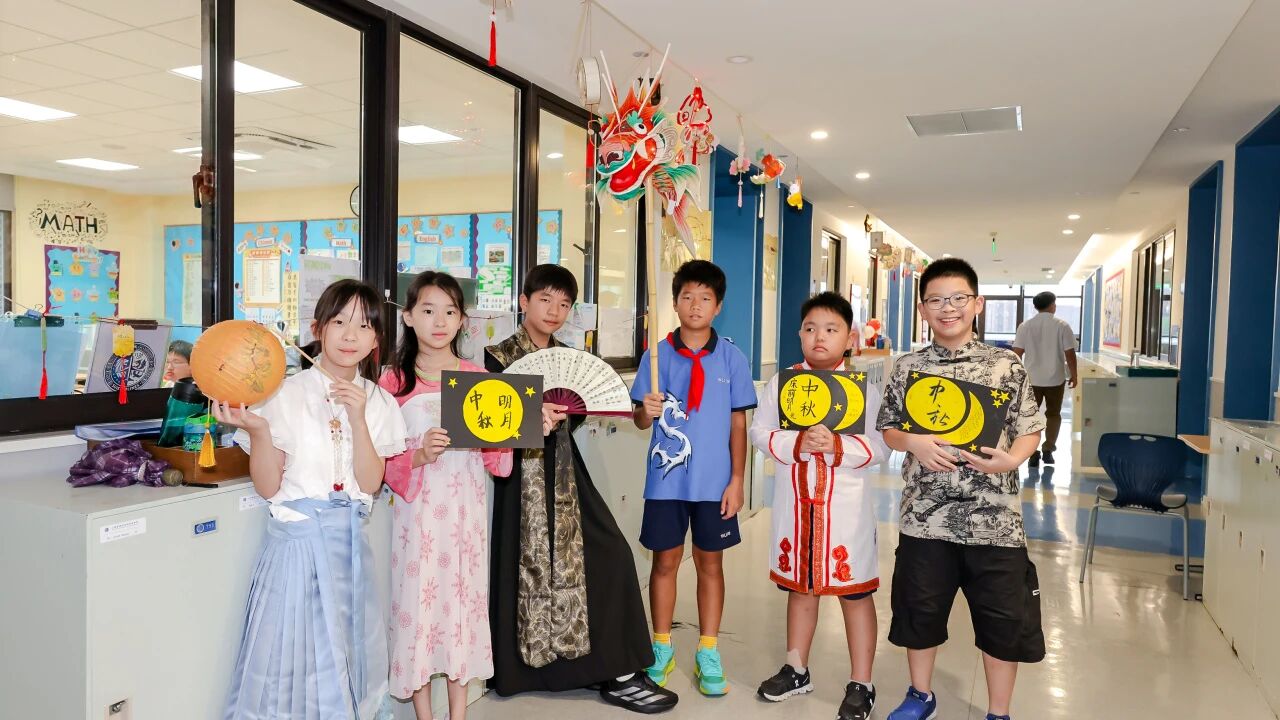
The fifth graders blended the ink aroma with the spirit of reunion! Using both pen and brush calligraphy, they wrote Mid-Autumn poems or blessings. They creatively presented their heartfelt calligraphic works on cards cut into the shapes of full moons and crescent moons, adorned with tassels and other small decorations. This fusion of traditional calligraphy with Mid-Autumn elements created a unique spark; each piece was a child’s personal interpretation of the festival, a perfect blend of the beauty of Chinese characters and the festive atmosphere.
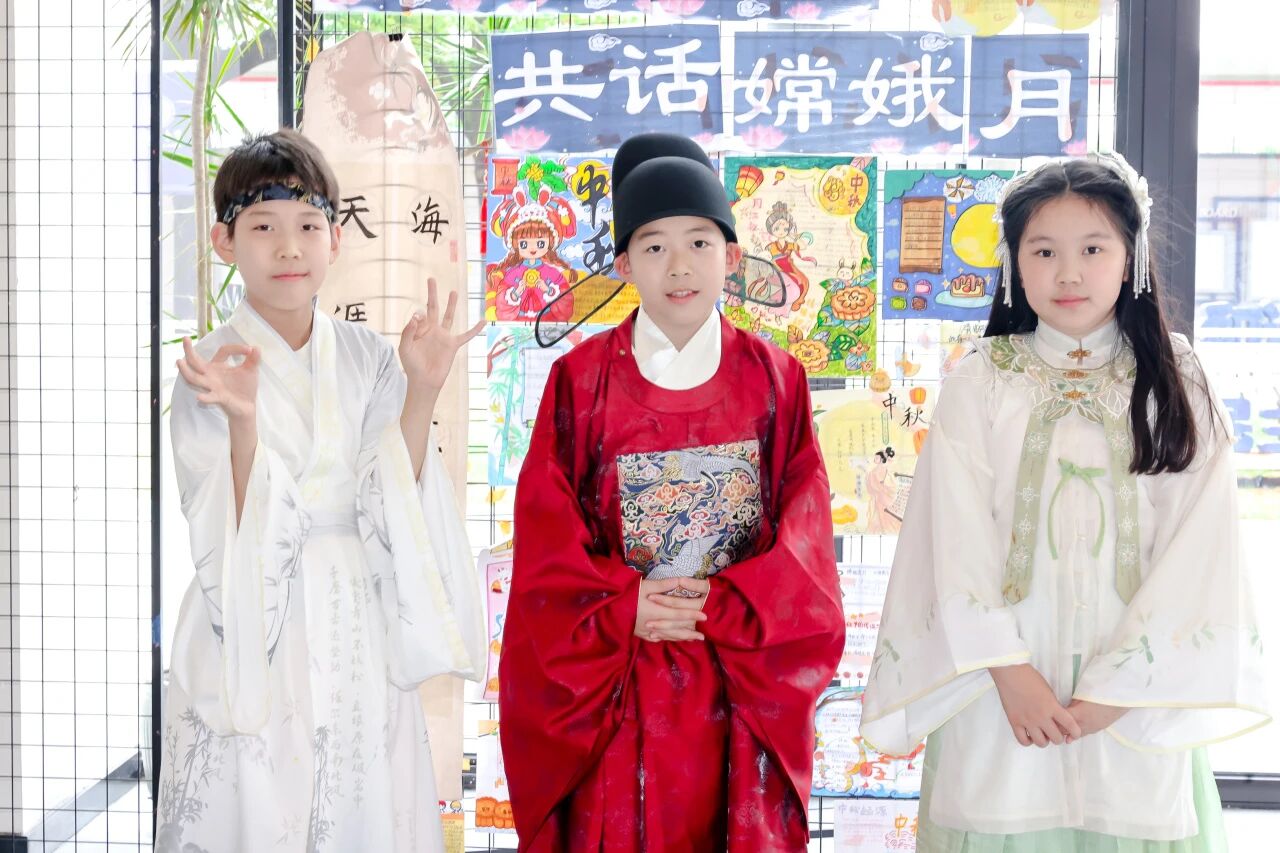
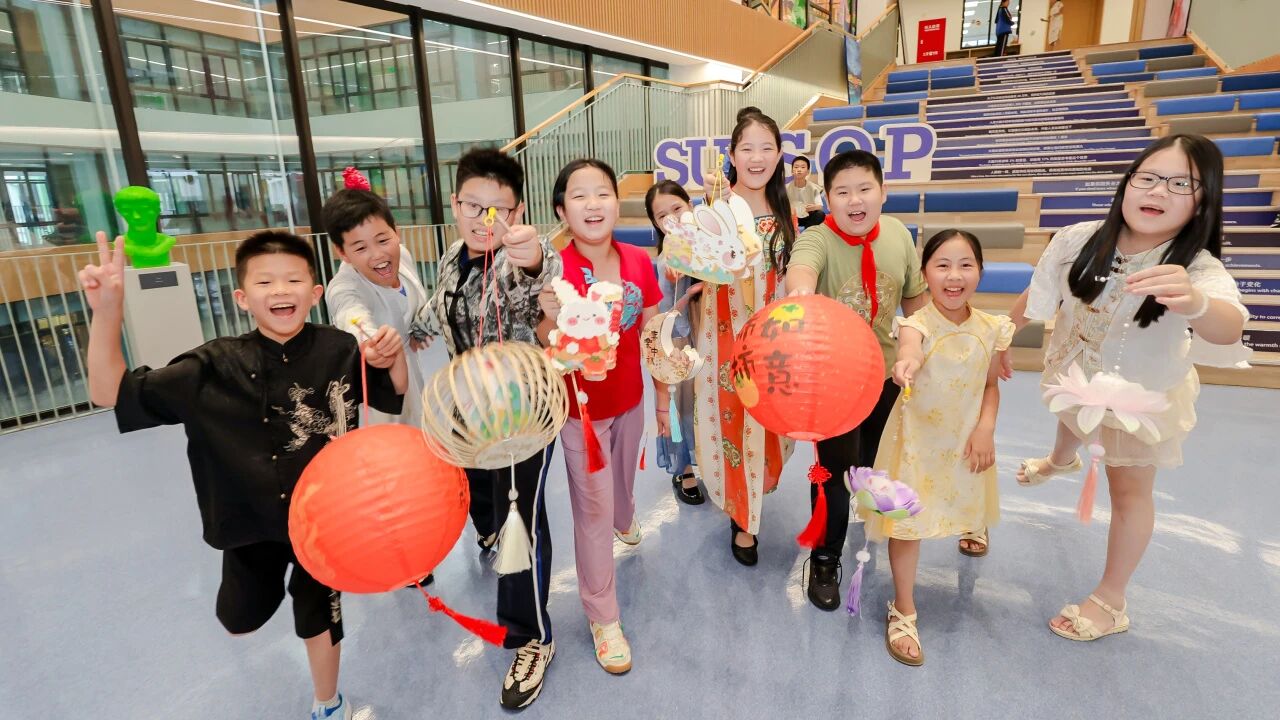
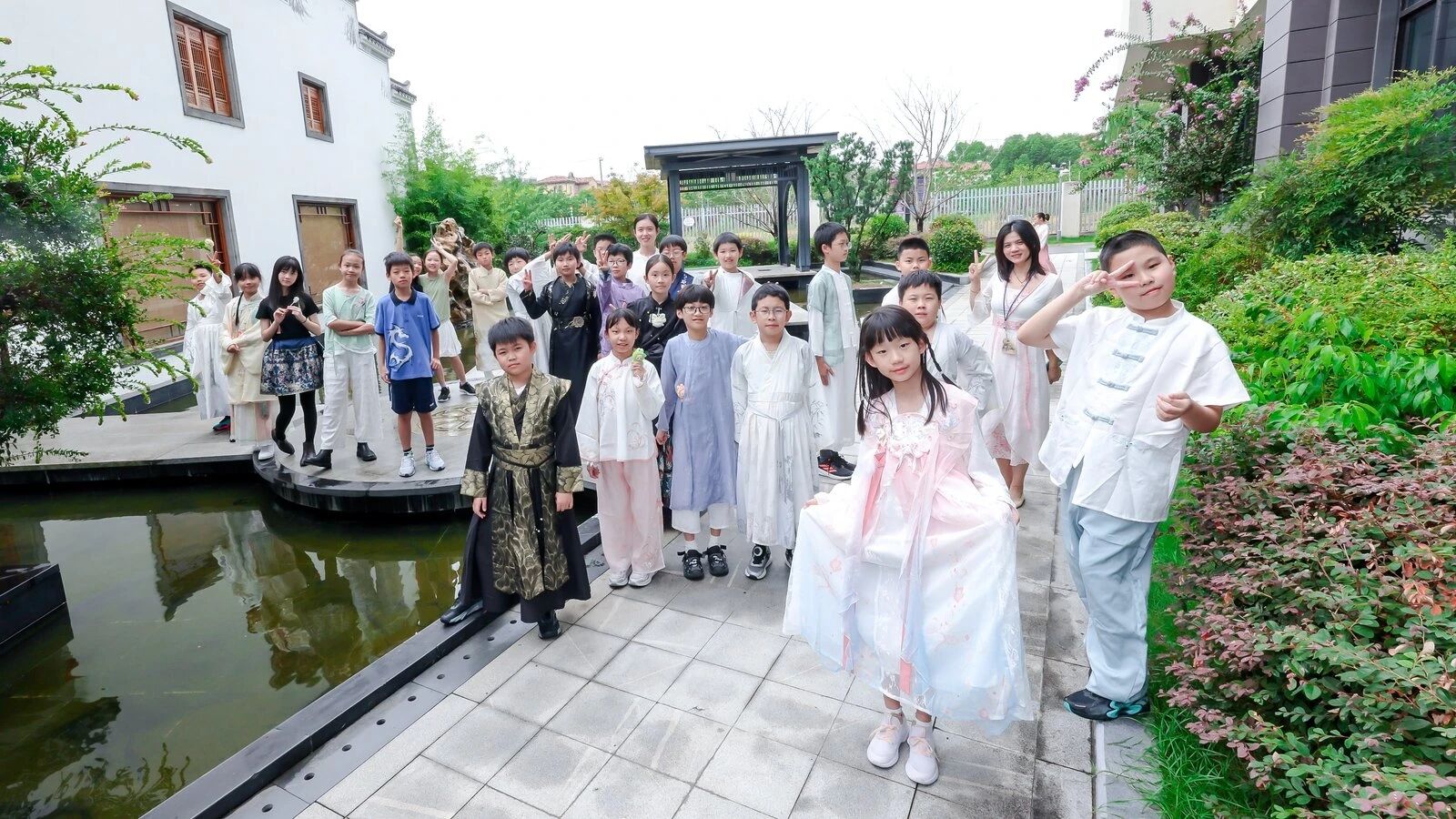
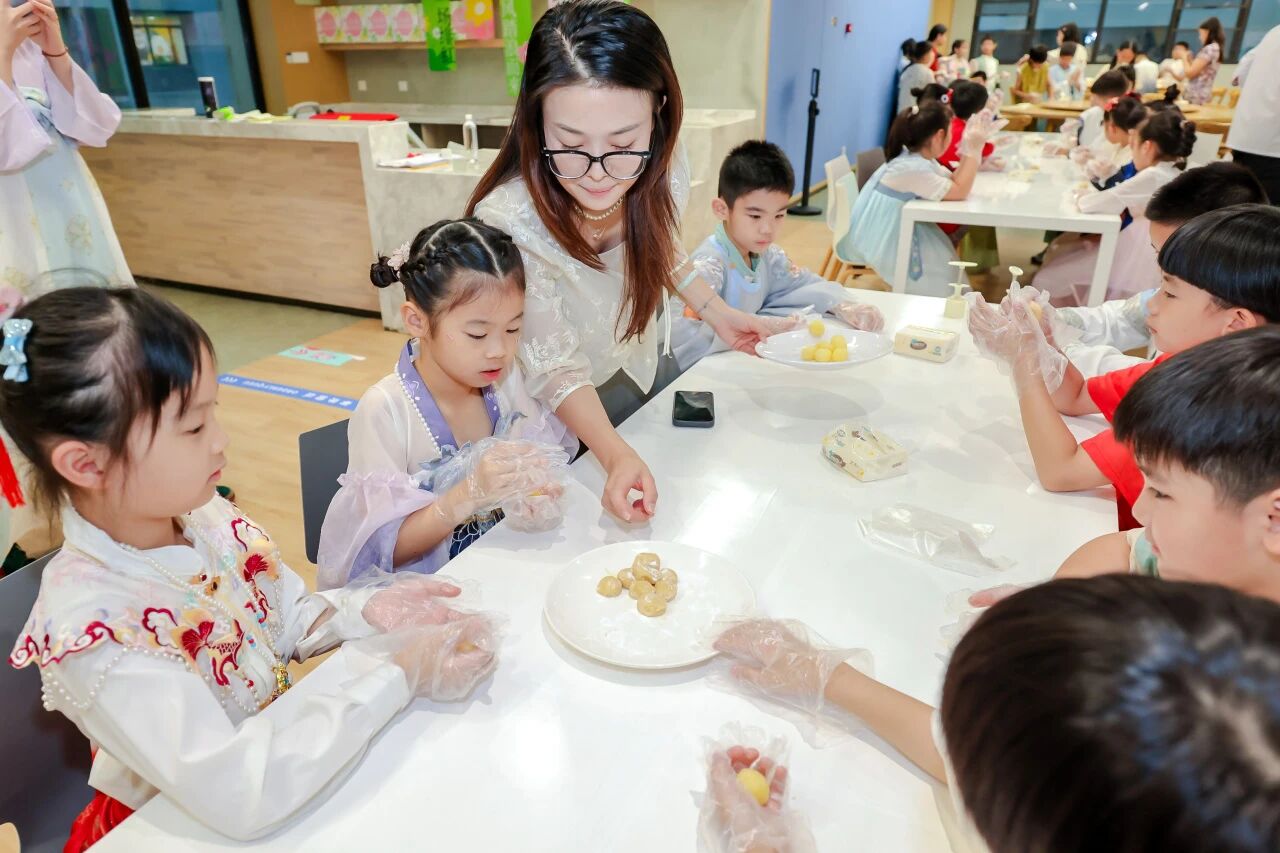
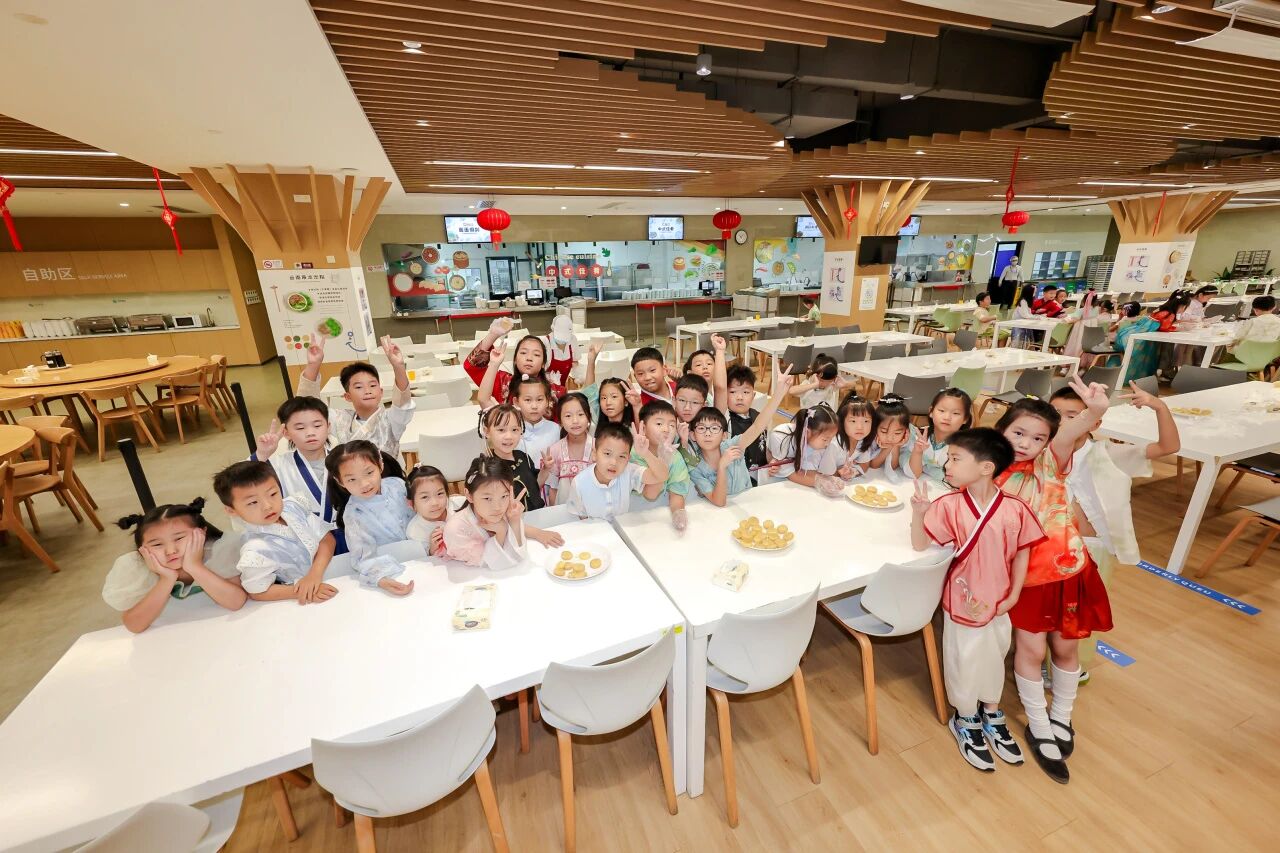
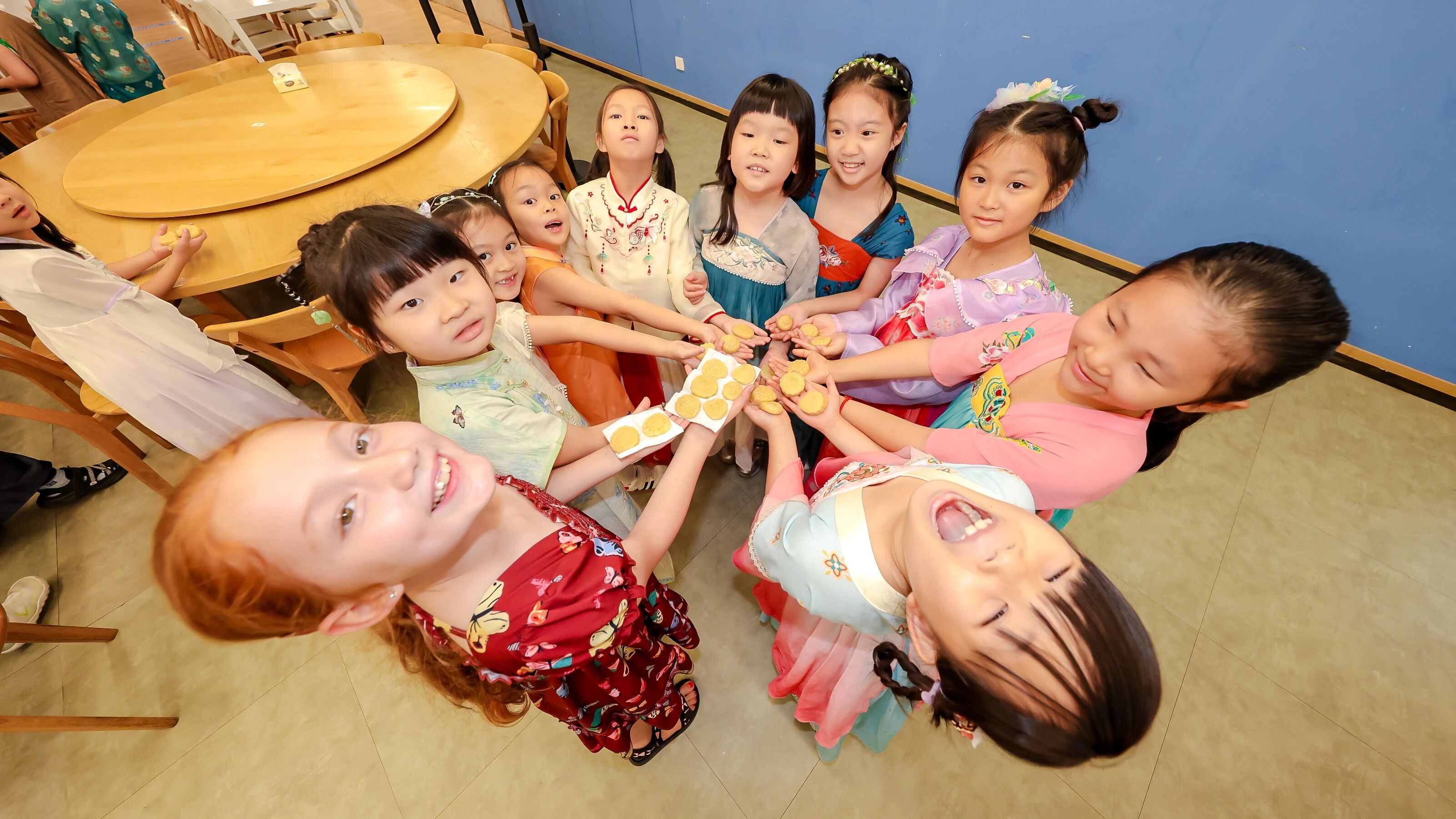
While the Mid-Autumn spirit flowed from the pens and brushes across grades, the “Mooncake Workshop” was already in full swing. Soft dough and sweet fillings lay neatly on the tables. The children, donning gloves as little chefs, laughed joyfully even with floury fingertips as they kneaded and shaped the dough, helping each other seal the edges if the filling peeked out. Carefully pressing the patterned moulds, they produced mooncake blanks imprinted with osmanthus flowers and jade rabbits. The children kneaded the warmth of Mid-Autumn reunion right into these mooncakes, still bearing the heat of their hands.
Savouring Lantern Riddles, Passing on Refined Fun; Check-in Points Filled with Childlike Joy
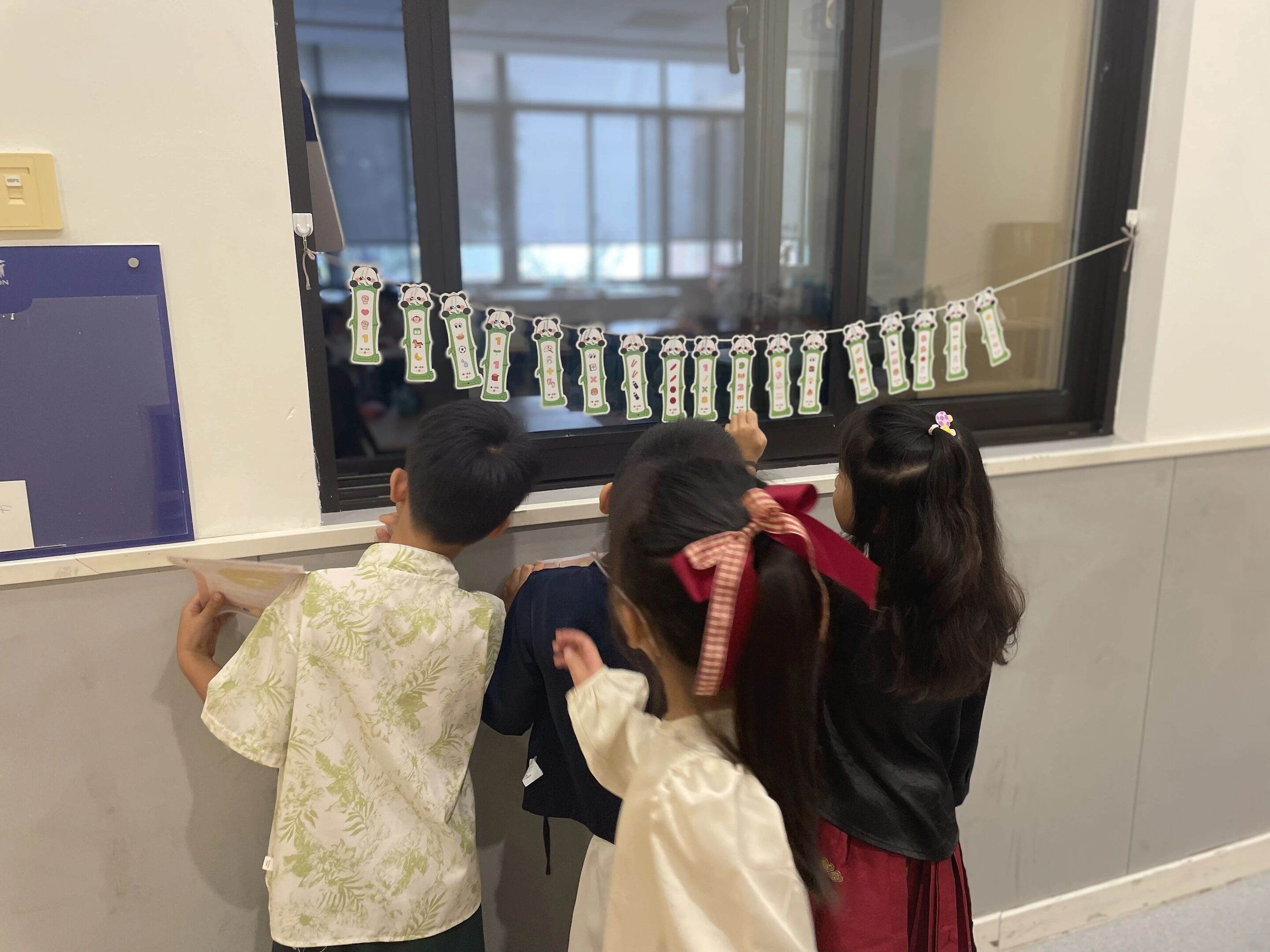
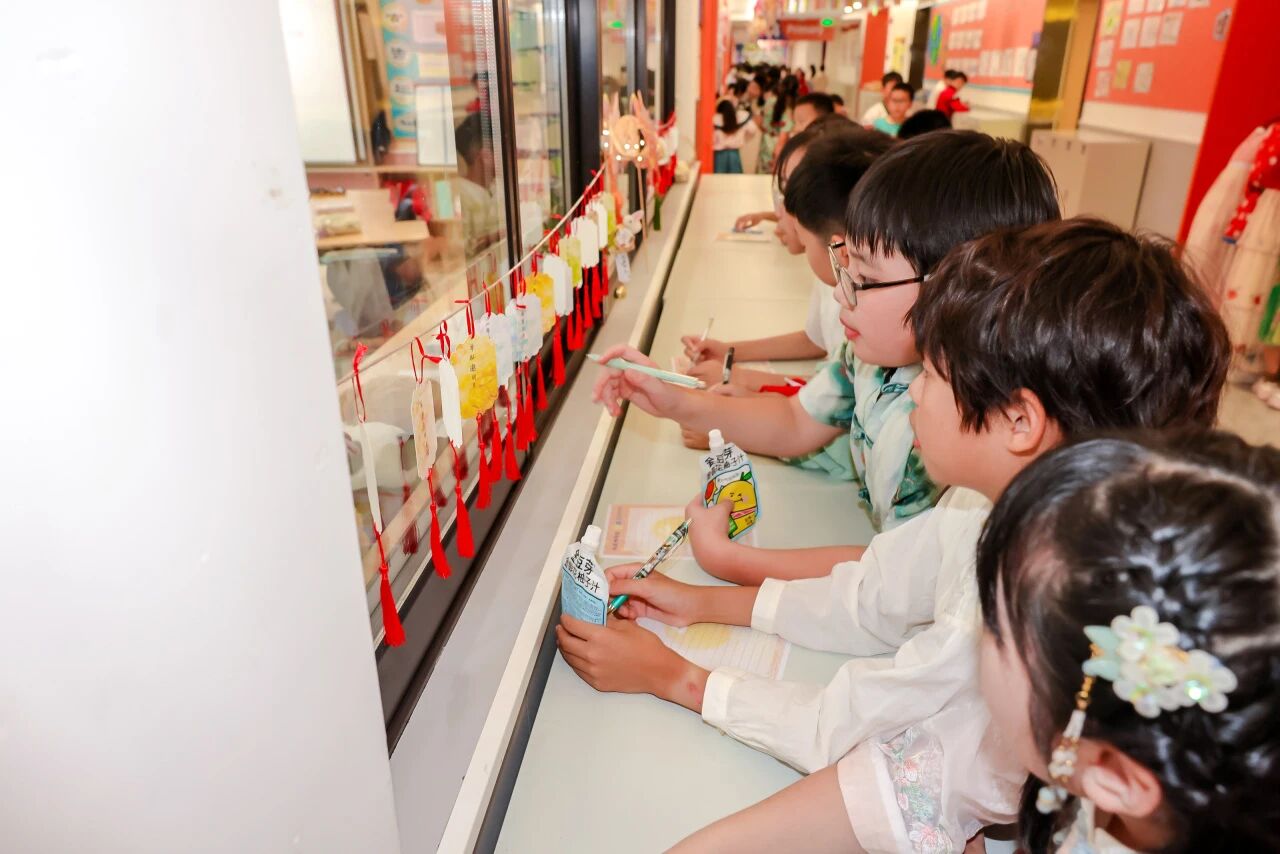
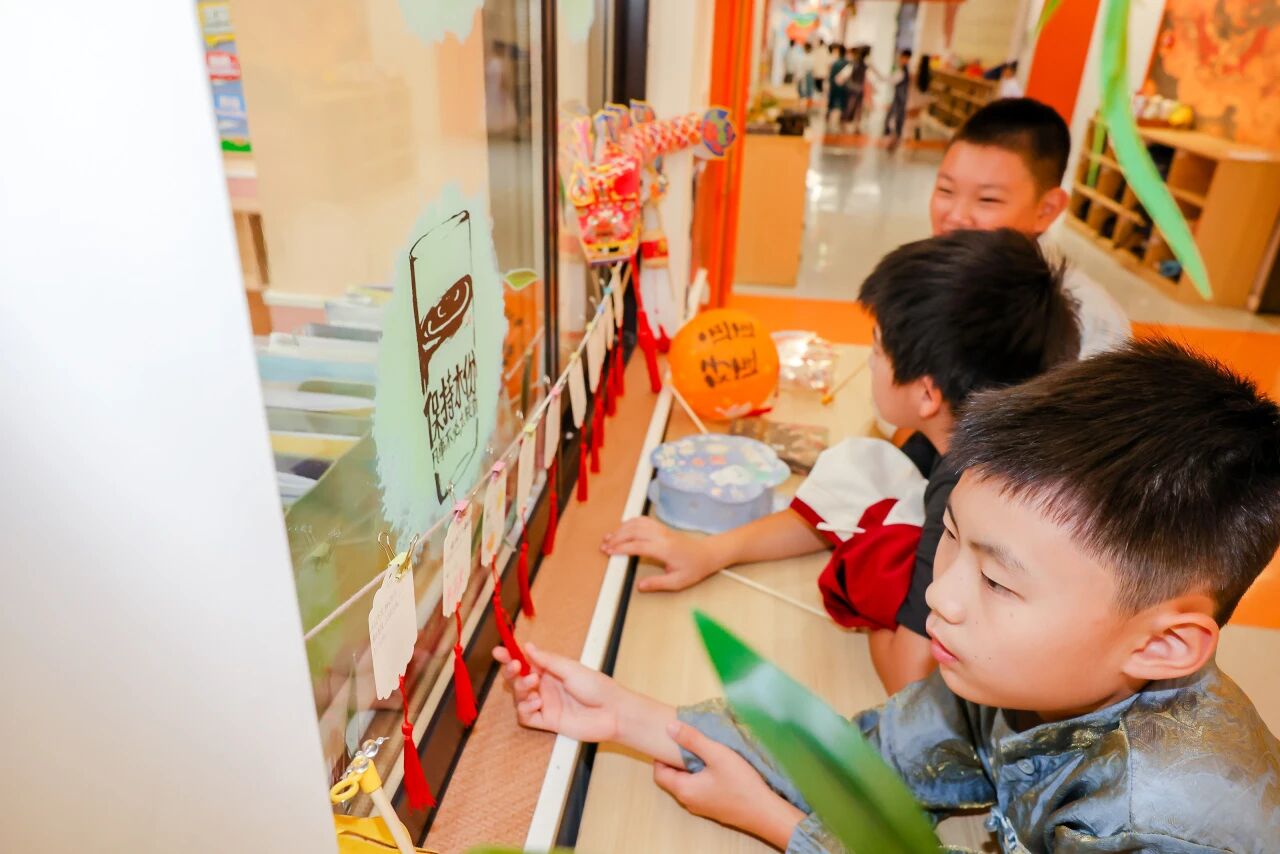
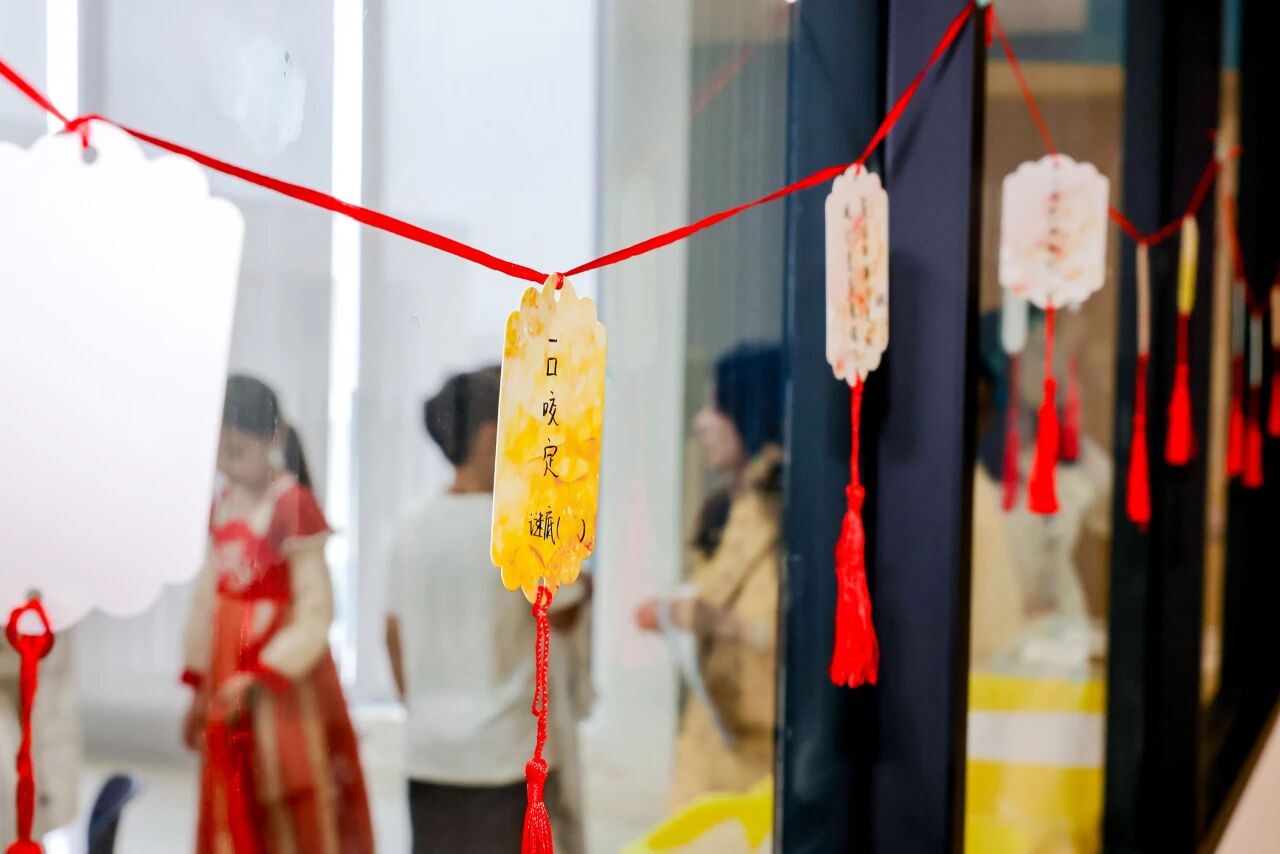 The grade-level corridors buzzed with children’s laughter after lunch. Once the lantern riddle check-in activity began, the hallways instantly transformed into lively hubs. Younger children clutched their stamp collection cards, tilting their heads thoughtfully at the riddles, then quickly writing down their answers before bouncing off to find a teacher. Older students huddled in small groups, discussing the riddles in hushed tones, nodding in agreement, and only writing down the answer after reaching a consensus.
Teachers waited by their classroom doors, receiving the cards, carefully checking the answers, and—upon confirmation—pressing a red stamp with a satisfying thump. As the stamps landed on the cards amid the children’s laughter, they captured the refined fun of the Mid-Autumn festival and the overflowing childlike joy at those bustling check-in points.



Turning “Mid-Autumn” into a visible textbook, letting “tradition” grow into a tangible experience—knowledge thus becomes a vivid perception engaging all five senses. Even though the autumn breeze may fade and the osmanthus fragrance may dissipate, the charm and warmth of this Mid-Autumn Chinese language class will settle between the pages of books, mellowing over time into an even richer flavour.