



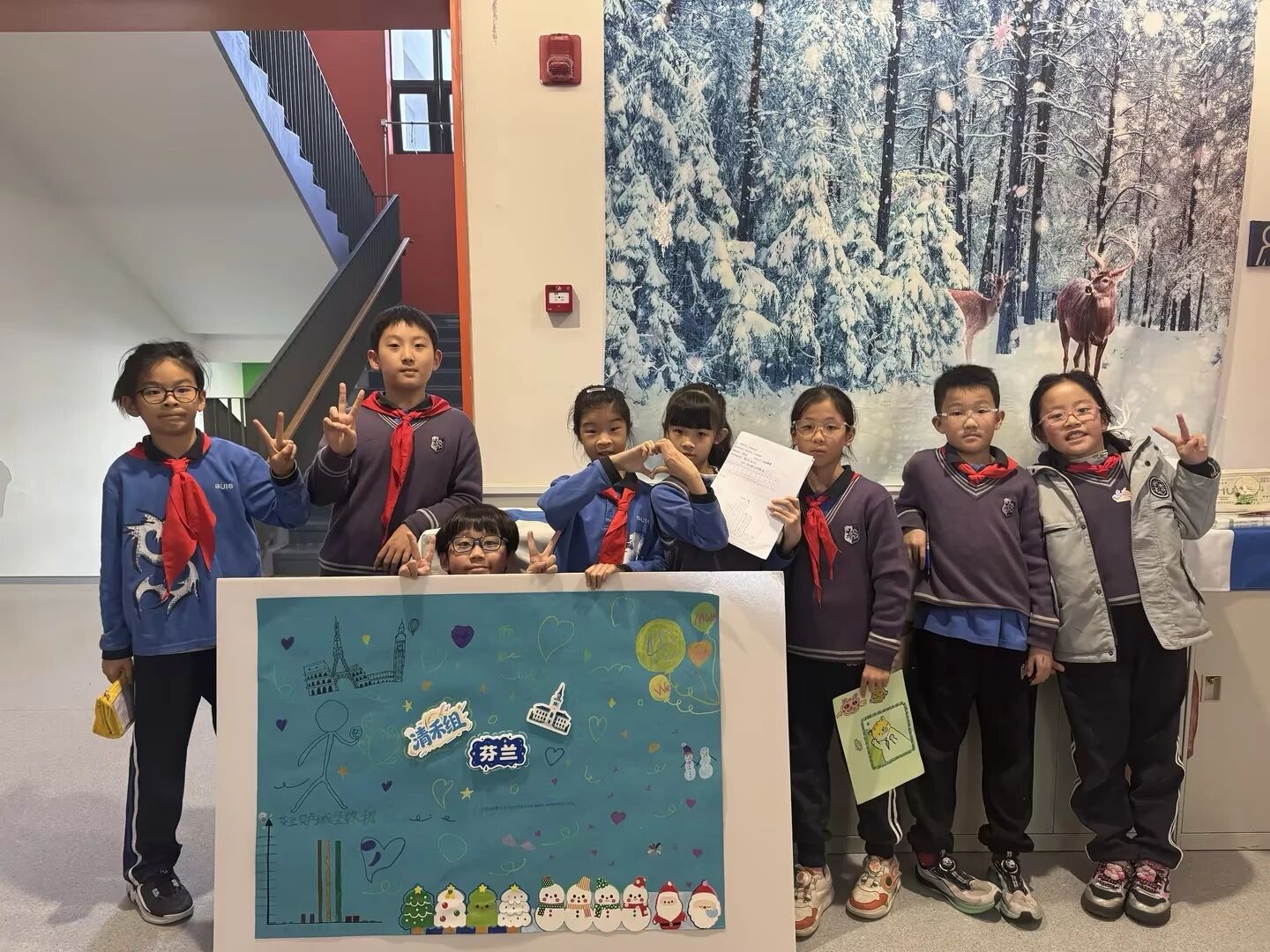
“We can’t just have data; we need to strike a chord with people directly!” The children picked up their paintbrushes and became visual designers. Each vivid poster and illustration, with distinct themes, intuitively presented the consequences of over-tourism: marine life entangled in garbage, scenic spots overwhelmed by crowds… Art became the most eye-catching warning light. An art teacher shared profound feelings after class: “When rational data is wrapped in emotional expression, it can truly touch people’s hearts. I saw them condense their anger and sympathy into their brushstrokes, giving concrete forms to abstract crises. This proves that aesthetic education is not only about teaching techniques but also about awakening social responsibility and empathy – art is no longer just a decoration on the wall, but a gentle force to change the world.”
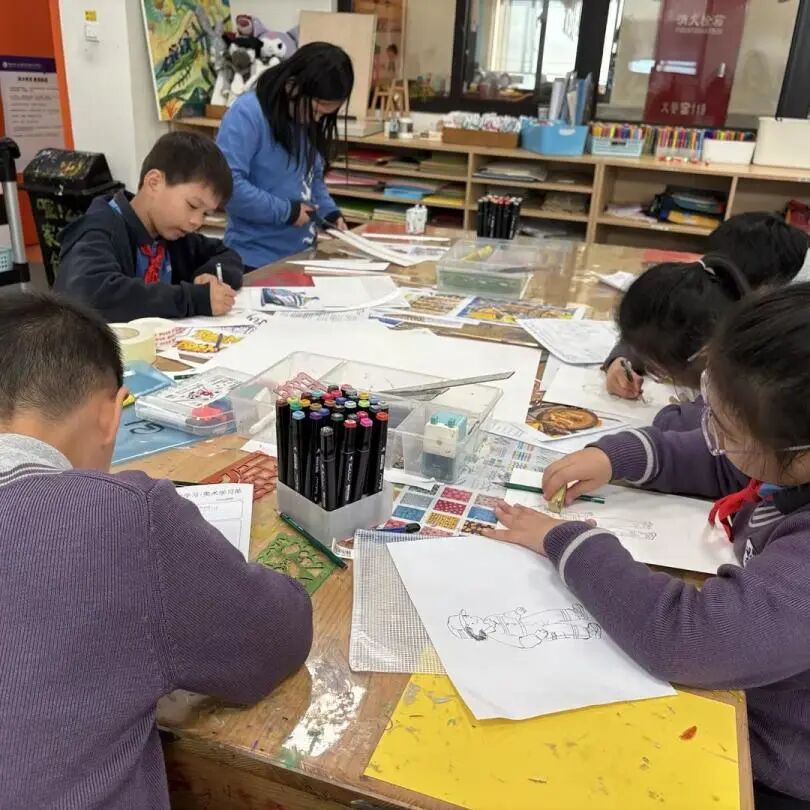

In this collaborative effort, no discipline stood alone. Data analysis supported the persuasiveness of the copy, while art design enhanced the appeal of the solutions. The children deeply realised that solving real-world problems requires the “combined efforts” of teamwork. As one teacher put it: “This project-based learning allows us to see that when you hand the real world to children, they reward you with the most precious gifts: pure concern, unrestrained creativity, and the courage to act.”
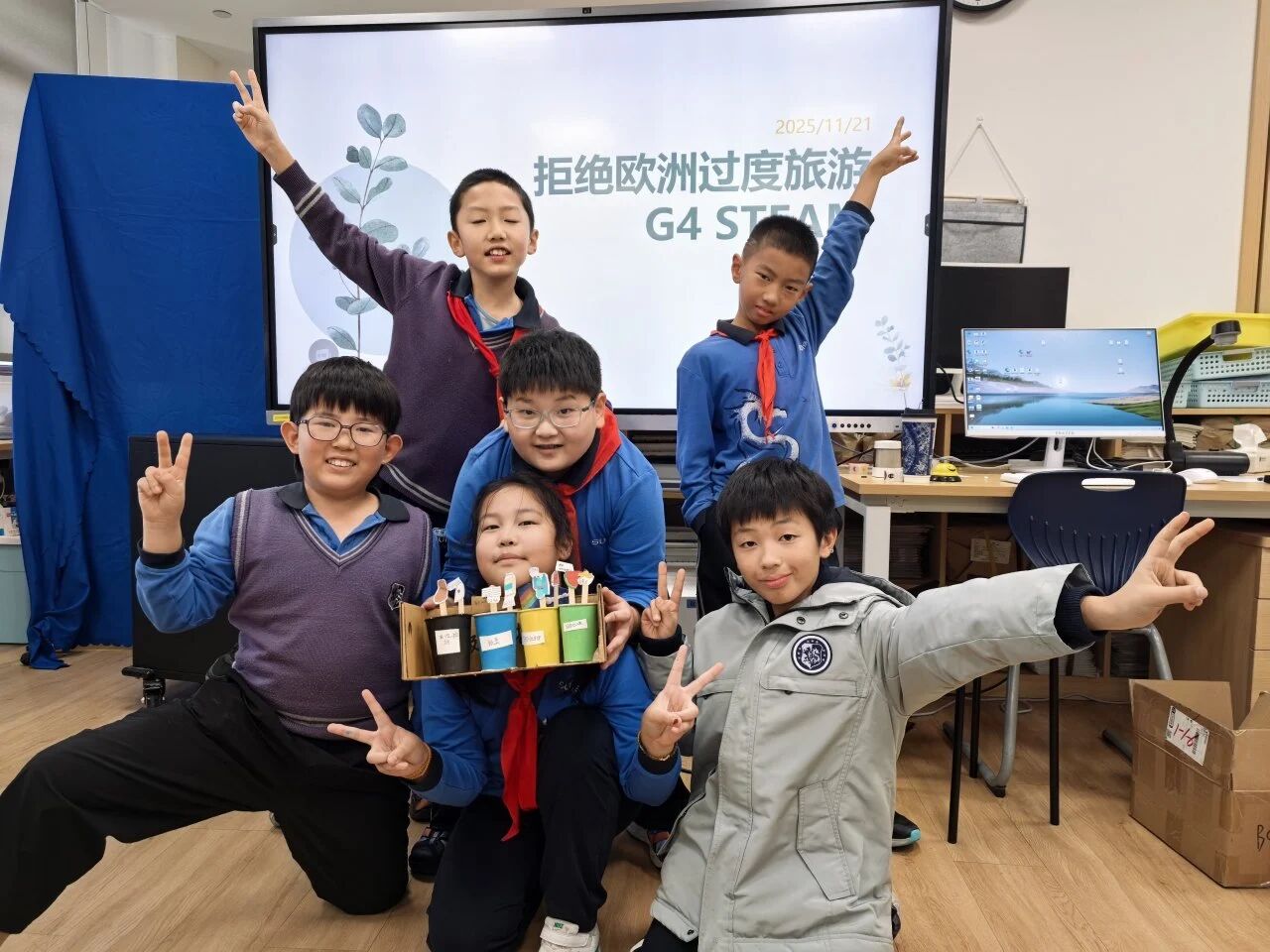
When Europe issues a “tourism alert,” the 4th graders of SUIS Qingpu have shown a vivid picture of future education: learning can be so real, in-depth, and powerful. With their actions, they tell us that the most beautiful form of education is not to lock children in an ivory tower, but to open a window for them, allowing them to see the waves of the world and believe that they have the ability to bring calm, wisdom, and hope to these waves.
Challenges in the future will continue to emerge, but in this exploration of “Over Tourism,” we have seen the most precious qualities of the learners when facing challenges: curiosity, empathy, creativity, and initiative. This is perhaps the most reliable “solution” we can expect.