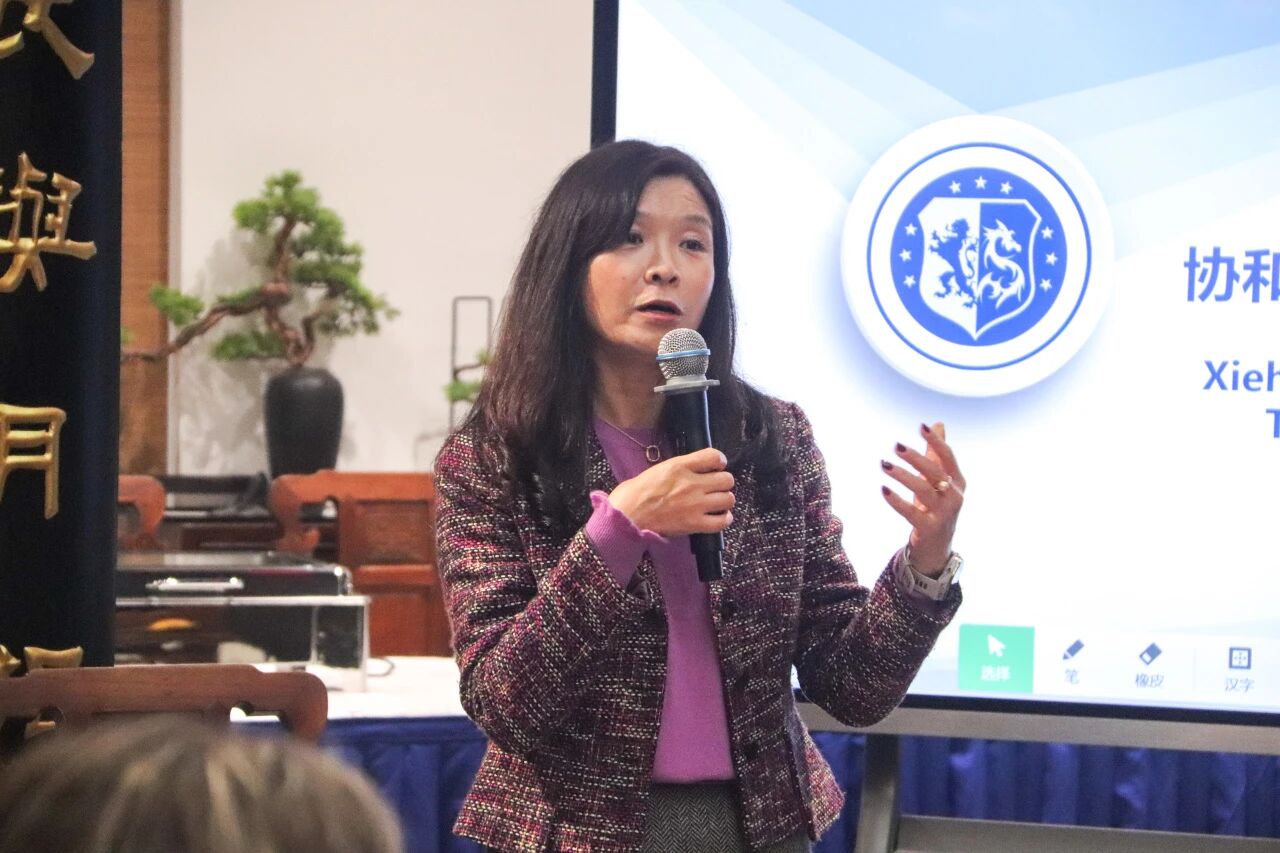
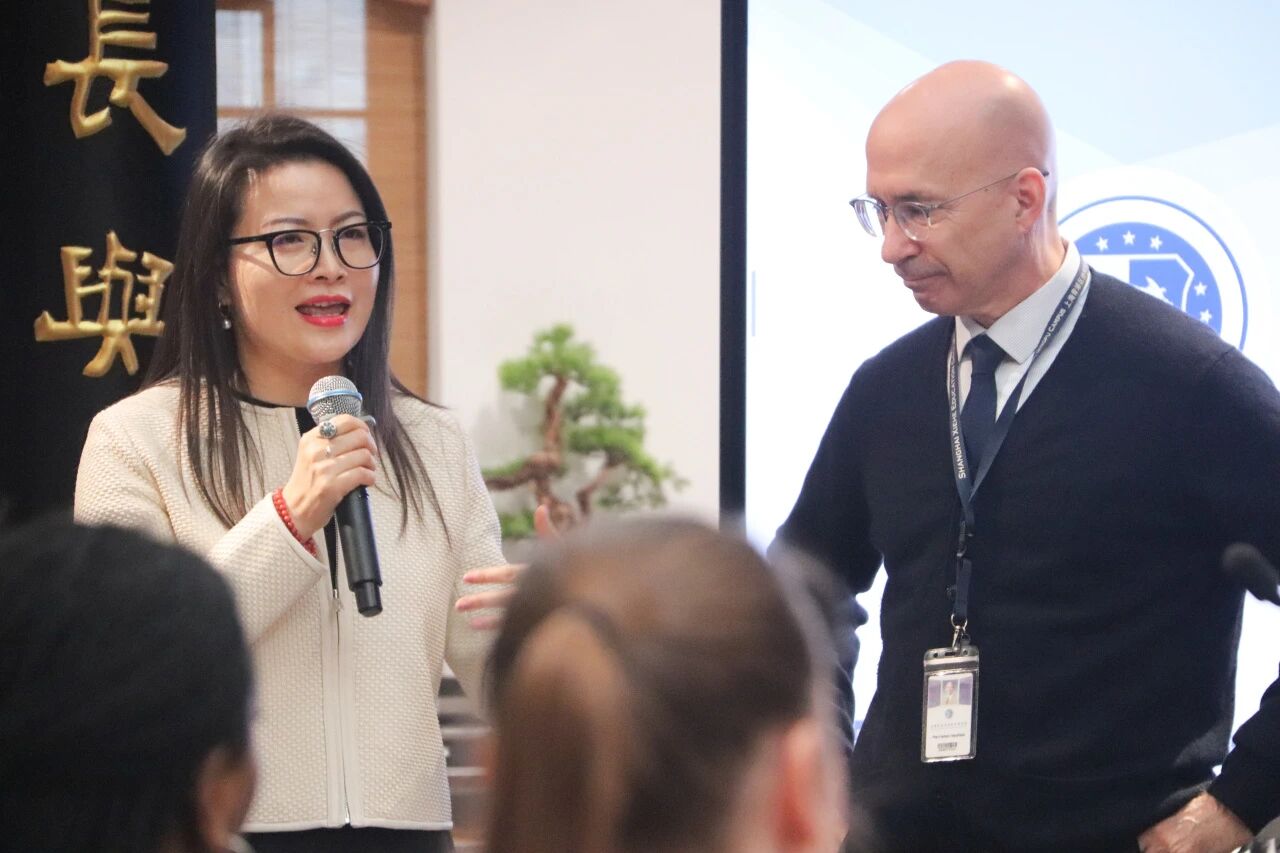
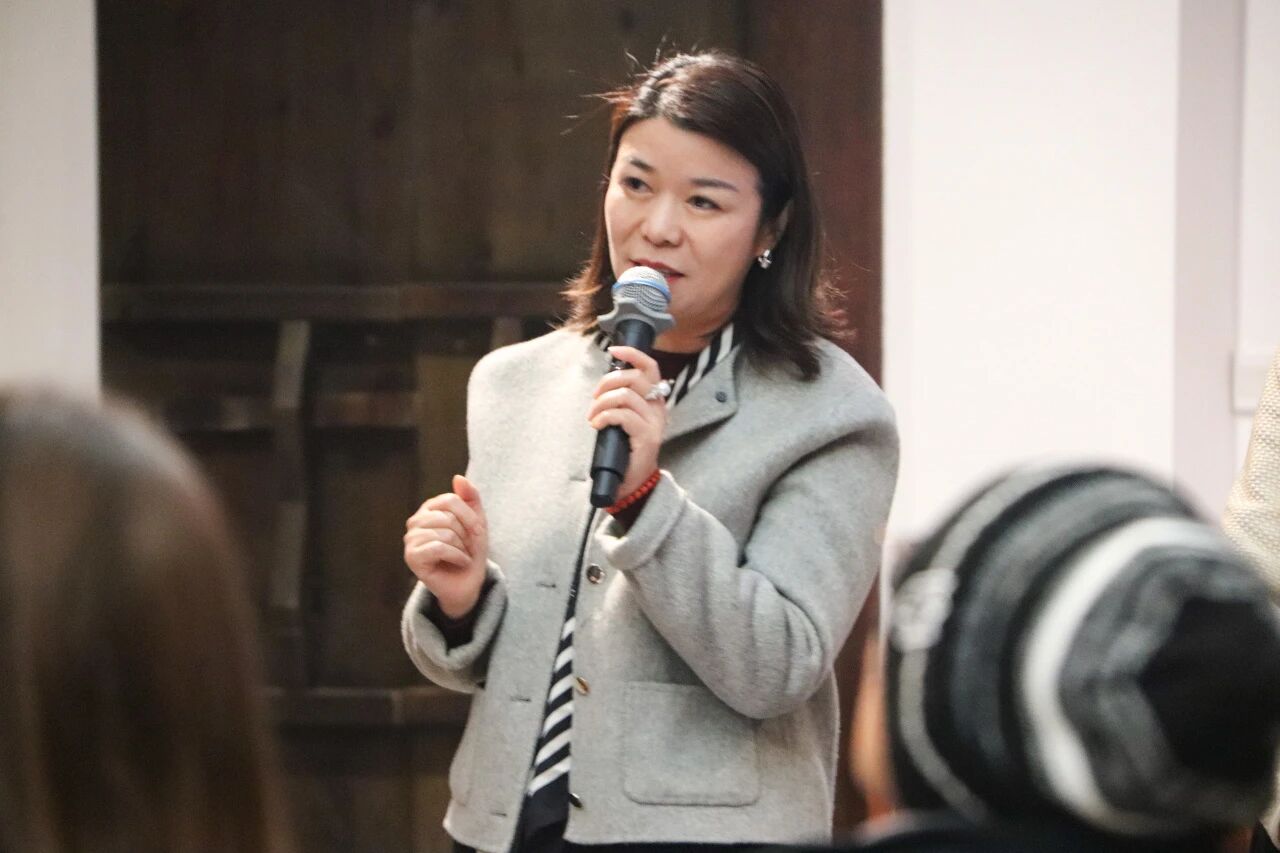
 On 11 December, Xiehe Education hosted the first Cross-Campus Inquiry Day of this academic year—an event that has a long-standing tradition within the SUIS school network that celebrates collaboration, shared learning, and professional growth. This year, SUIS Qingpu had the honour of hosting the event, welcoming over 20 teachers from five campuses across the organisation, spanning Hefei, Wuxi, and Shanghai.

Open Lesson Spotlight:
Exploring Europe Digitally and Collaboratively
Carnival – Researching Europe (Grade 5)
The Grade 5 open lesson focused on the Intercontinental Carnival theme of “Europe, with particular attention to Austria, Norway, France, Portugal, the United Kingdom, Switzerland, and Italy. The lesson was designed to strengthen students’ research skills while deepening their understanding of European countries, cultures, and landmarks.
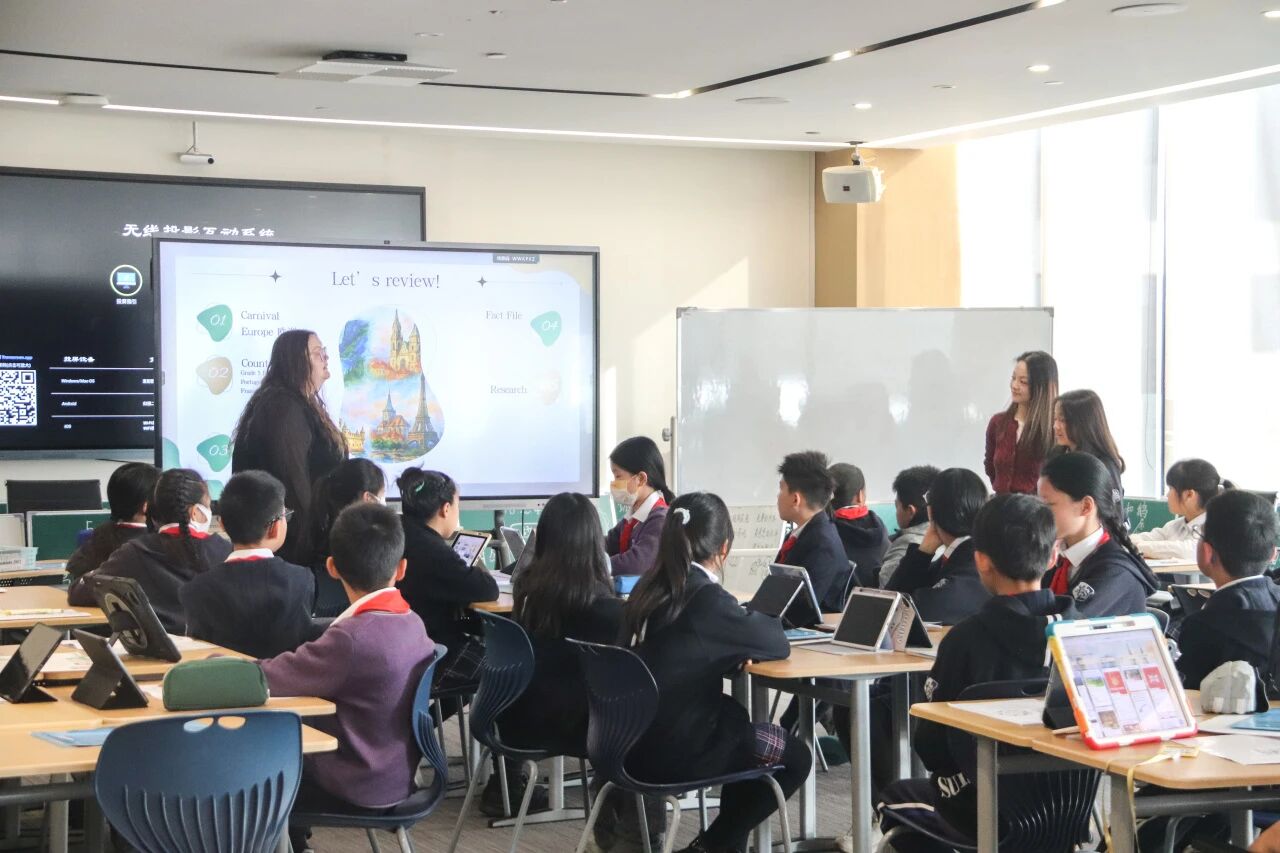
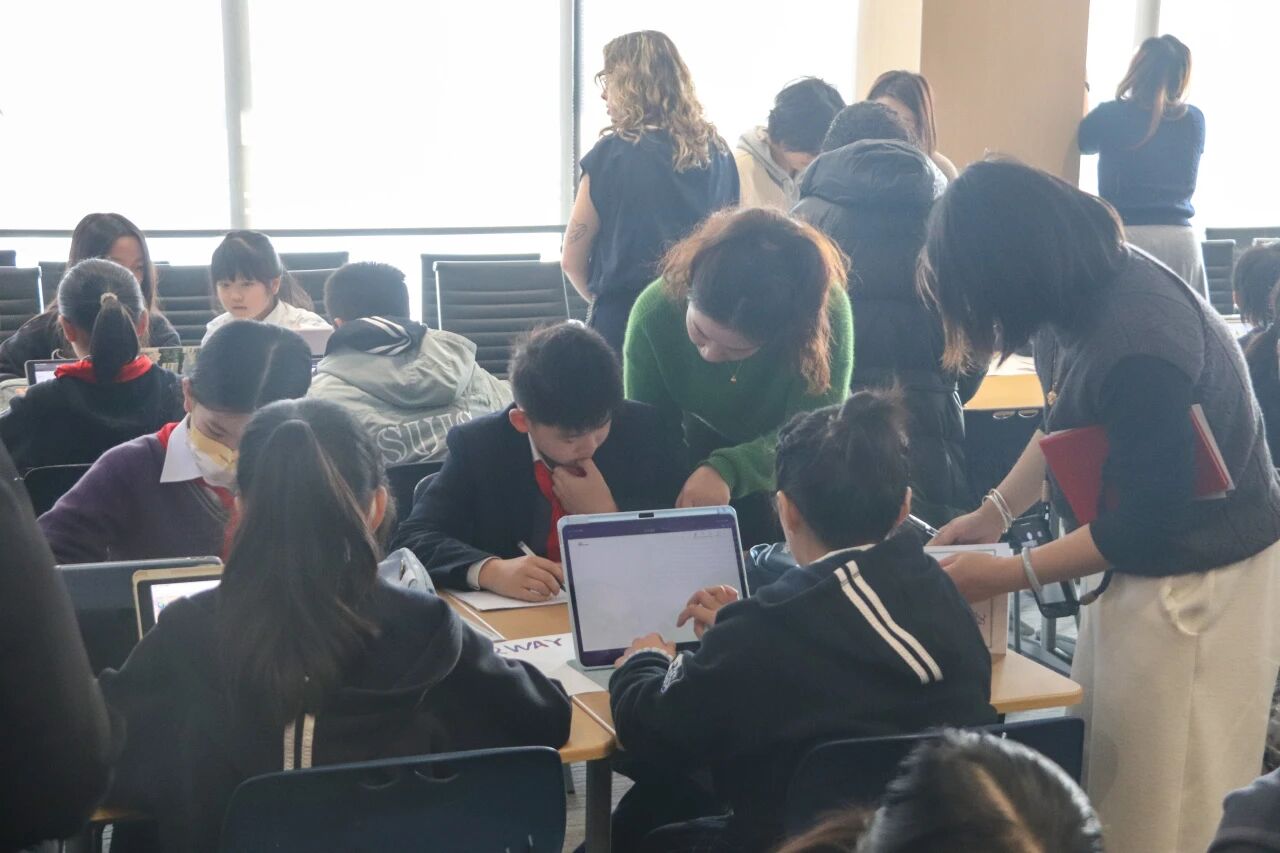 Throughout the unit, students worked both independently and collaboratively to research topics such as landmarks, food, culture, daily life, and key facts. Using Padlet as a digital notice board, learners collected information, shared links, and revisited content to verify accuracy and expand their understanding. They were explicitly taught how to use Padlet effectively, refine search terms, and evaluate sources—learning to distinguish between factual information and opinion-based content such as blogs.
During the open lesson, students used pre-designed fact file templates to filter information from their Padlet research. Working in teams, students took responsibility for specific sections, contributing individual notes while collaborating towards a shared outcome. This structure supported accountability, teamwork, and independent learning within a group setting.
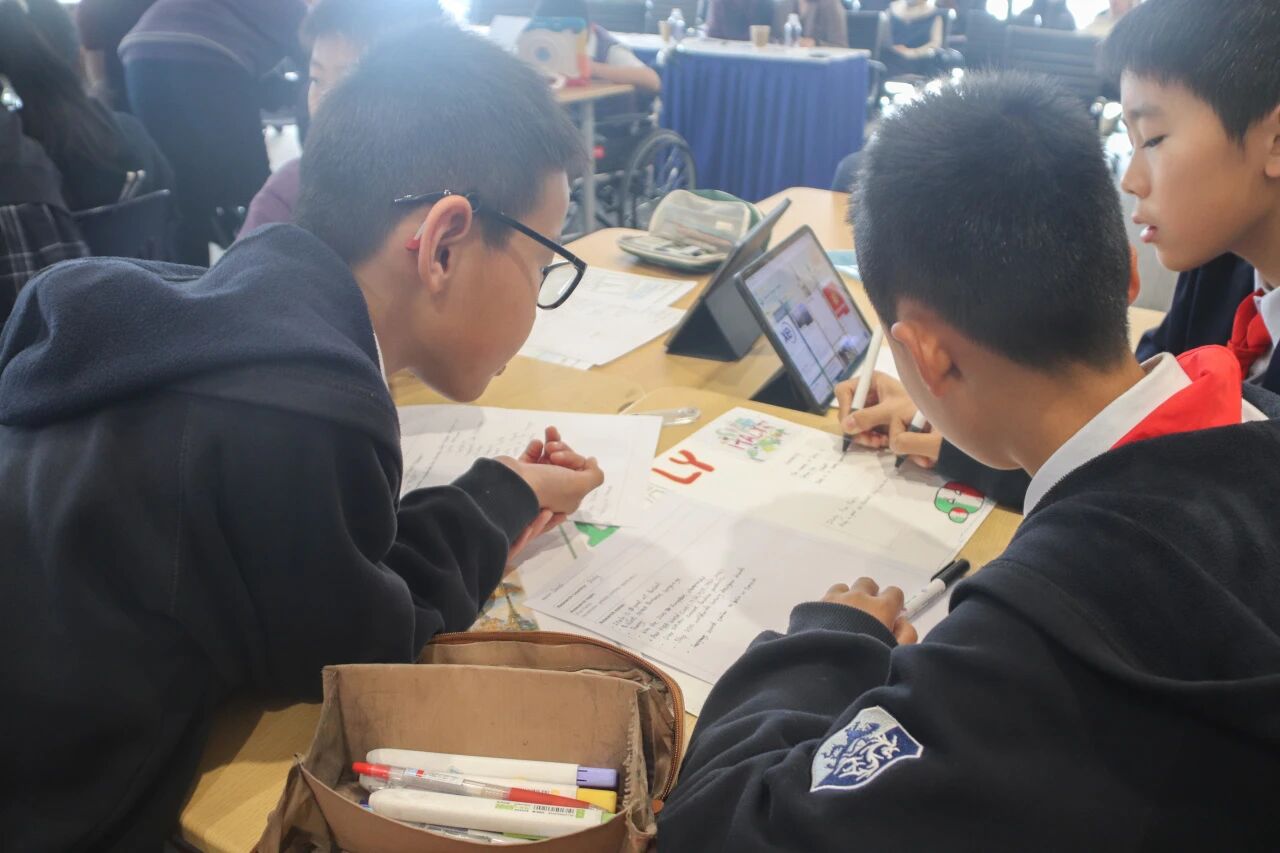
Open Lesson Spotlight:Learning to Question with Images
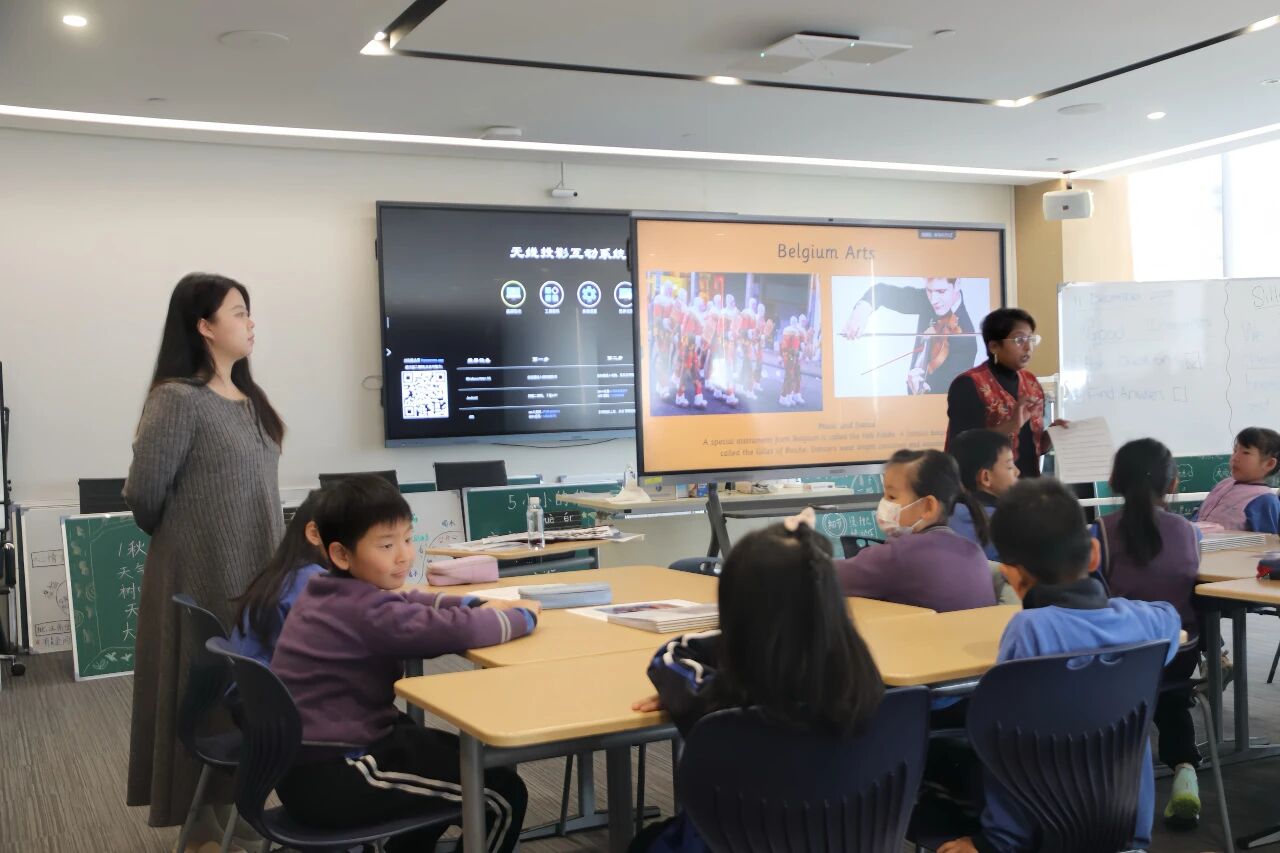
All About Belgium (Grade 2)
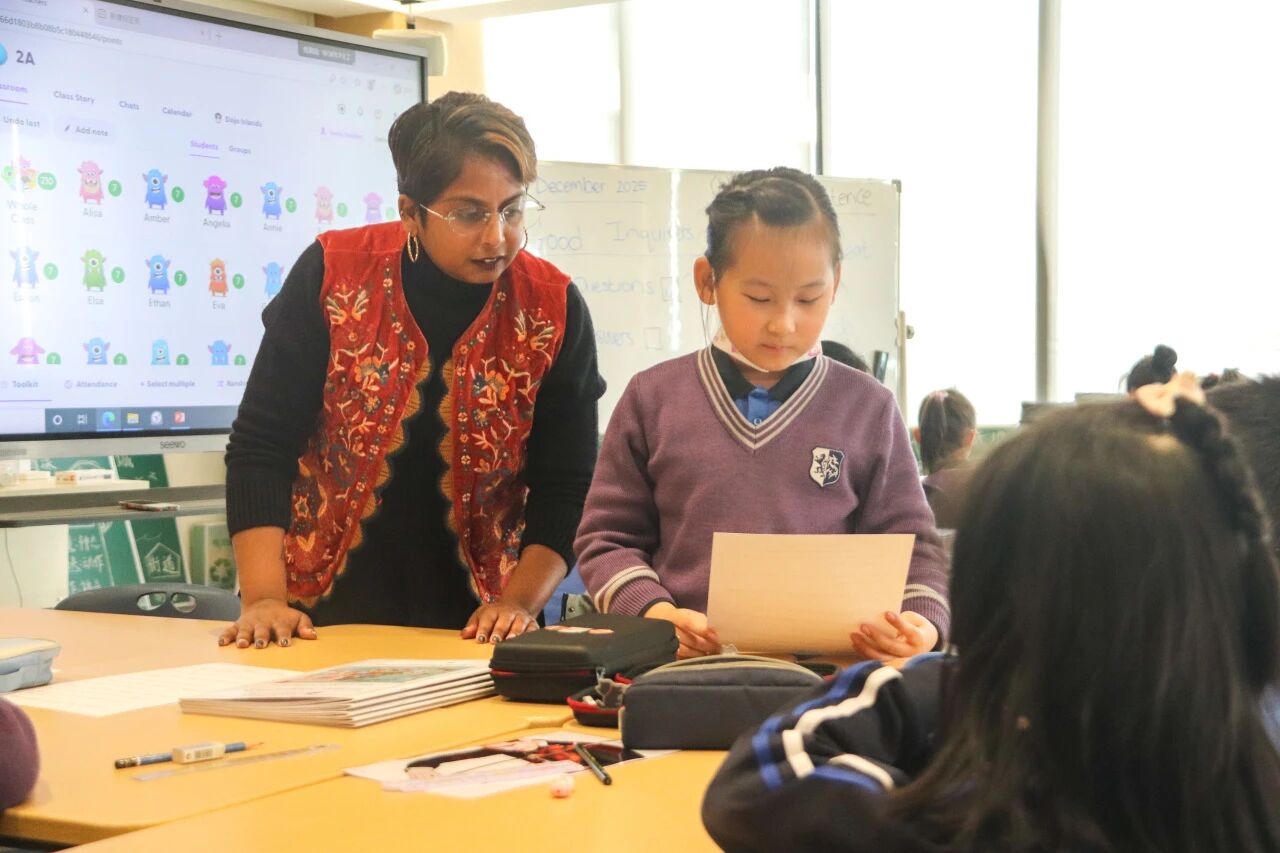 The Grade 2 open inquiry lesson, “All About Belgium,” was carefully designed to introduce students to structured research in a developmentally appropriate way. The lesson began by revisiting a bank of student-generated questions created in a previous session. Using curated image prompts, learners thoughtfully matched their questions to visuals, ensuring that their research was driven by personal curiosity rather than surface-level fact-finding.
Students then engaged with a detailed informational text about Belgium, focusing on the key success criterion of extracting accurate answers directly from a source. Each child recorded their question and corresponding answer on a structured research card, practising the foundational skill of documenting information clearly.
To strengthen cross-curricular connections, time was intentionally allocated to English Language Arts (ELA) skills, with teachers guiding students to refine grammar and sentence structure in their original questions. This emphasis reinforced the idea that strong inquiry is closely connected to clear communication and thoughtful language use.

Professional Learning Workshop: Making Thinking Visible
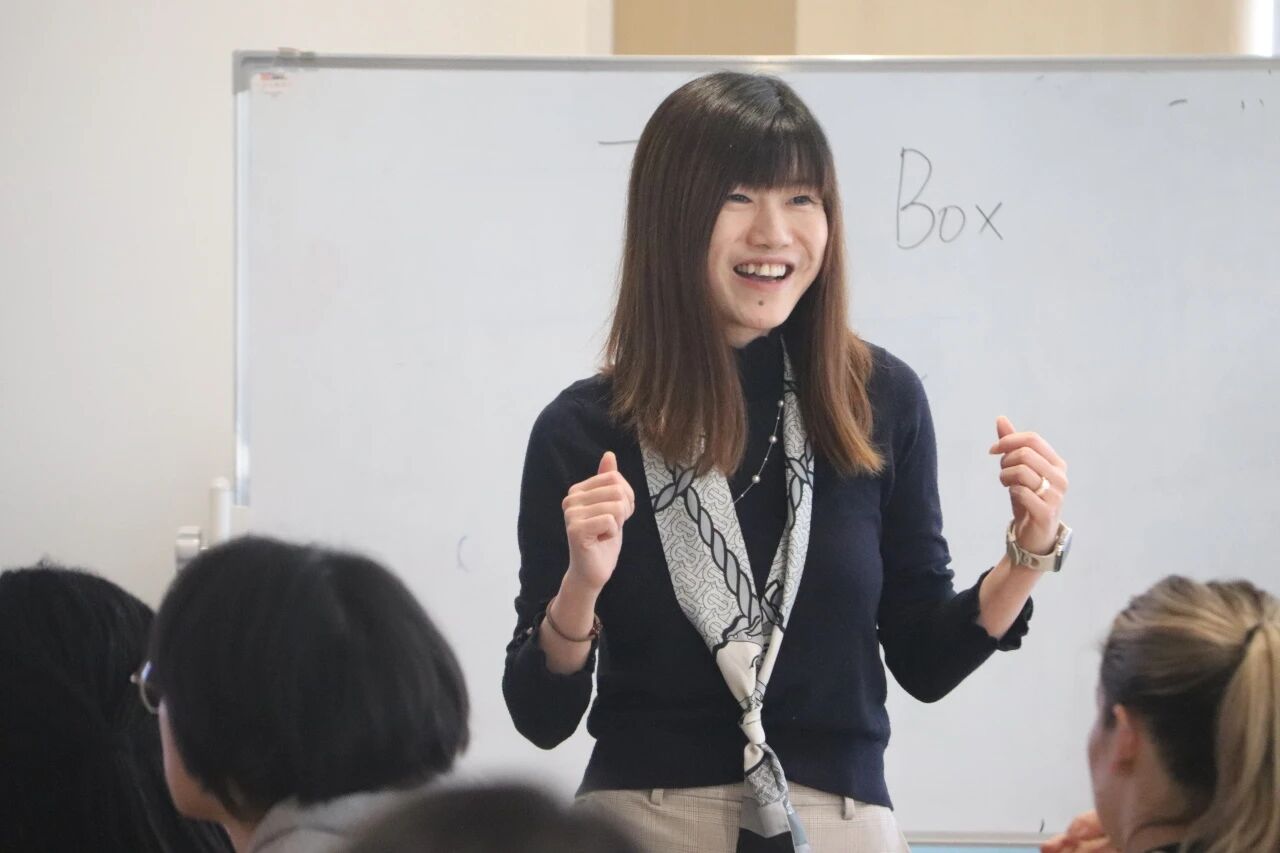
 The day concluded with a highly engaging workshop led by Narcy He, an expert in experiential learning and inquiry practices. Narcy holds a master’s degree in sociology from Waseda University, Japan, and currently serves as an IB Field Representative in the IBAP region, as well as a consultant, workshop leader, and school evaluation leader. Her extensive experience includes roles as a teacher, coordinator, academic principal, and head of division across bilingual and international school contexts.
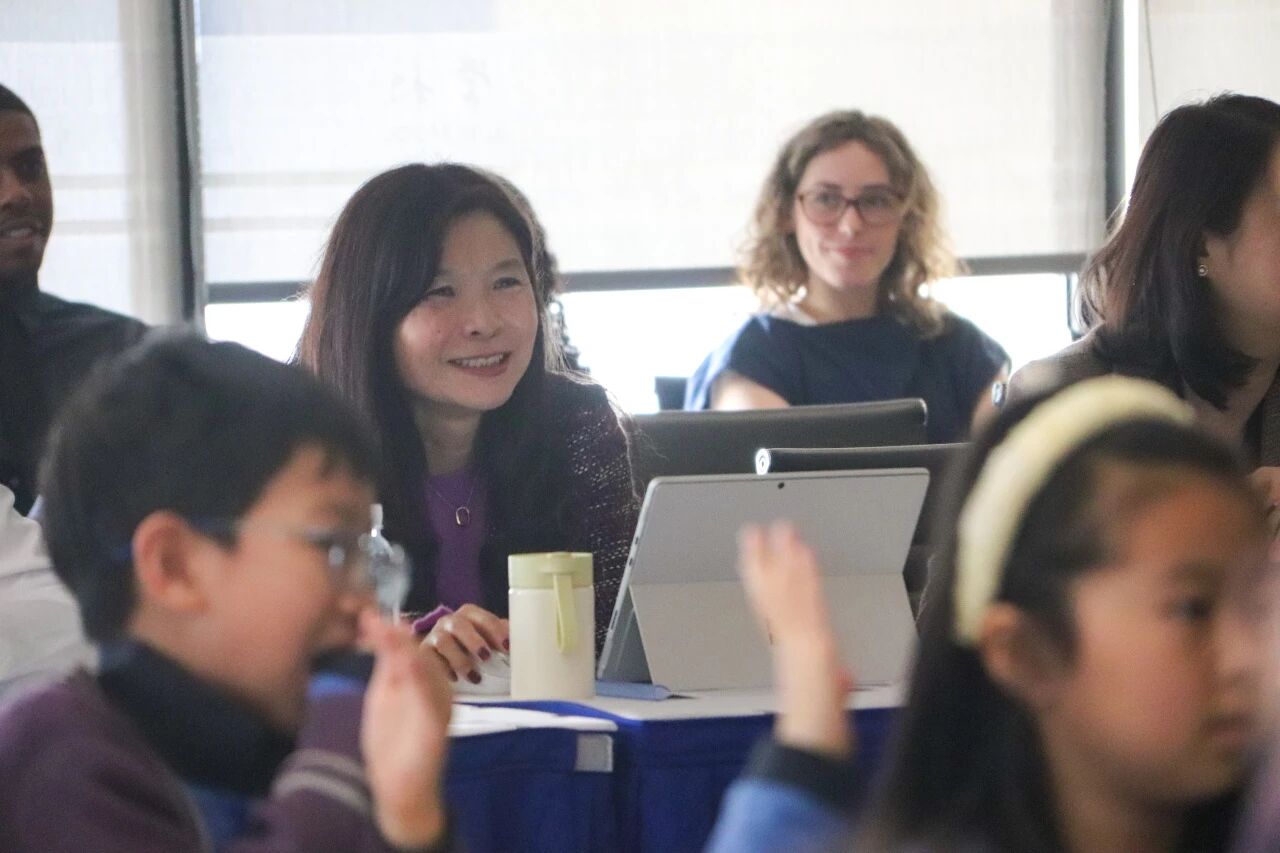
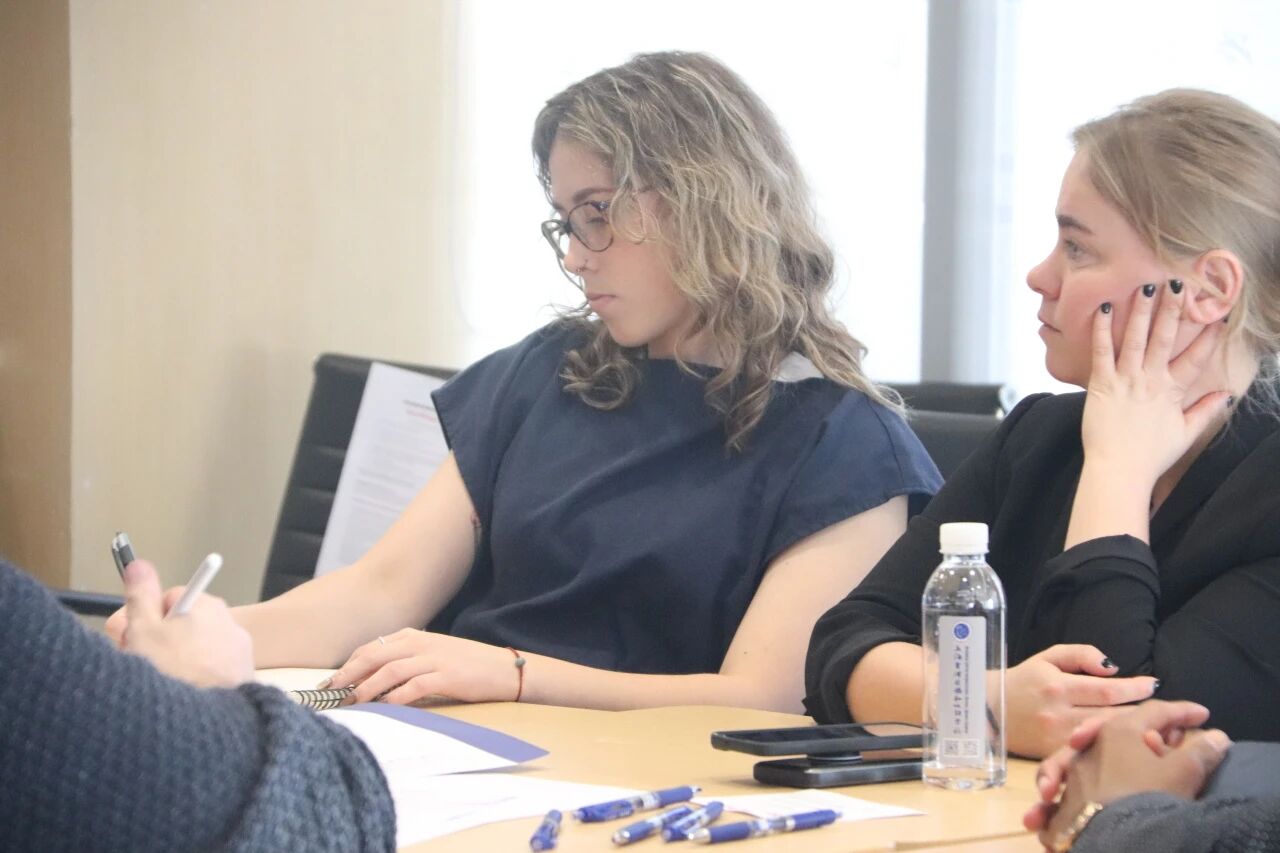
In this two-hour workshop on making thinking visible, teachers participated in hands-on activities and discussions focused on observing, modelling, and understanding student thinking. The session explored the use of visible thinking routines, purposeful questioning, reflective pauses, and self-assessment strategies to deepen student learning and inquiry.
Through real-life examples, case studies, and interactive exercises, participants reflected on their own engagement with learning and how teacher thinking influences student outcomes. Teachers left the workshop with practical, classroom-ready strategies to make student thinking more visible and to promote ongoing reflection across units.
The Cross-Campus Inquiry Day was a powerful reminder of the strength of our learning community. By opening our classrooms, sharing practices, and learning alongside one another, we continue to grow together—across campuses, across disciplines, and in service of deeper, more meaningful inquiry for our students.