

On April 26, 2023, team members of Top Plan E-Workshop 2022, led by Qingpu District Master Teacher Mr Zhu Lianyun, gathered at the SUIS Qingpu Campus to carry out Deep Learning 3.0, an integration of learning & instructional design and teaching practice discussion activities. Ms Dong Jumei from E-Workshop 2022 presided over the activity.
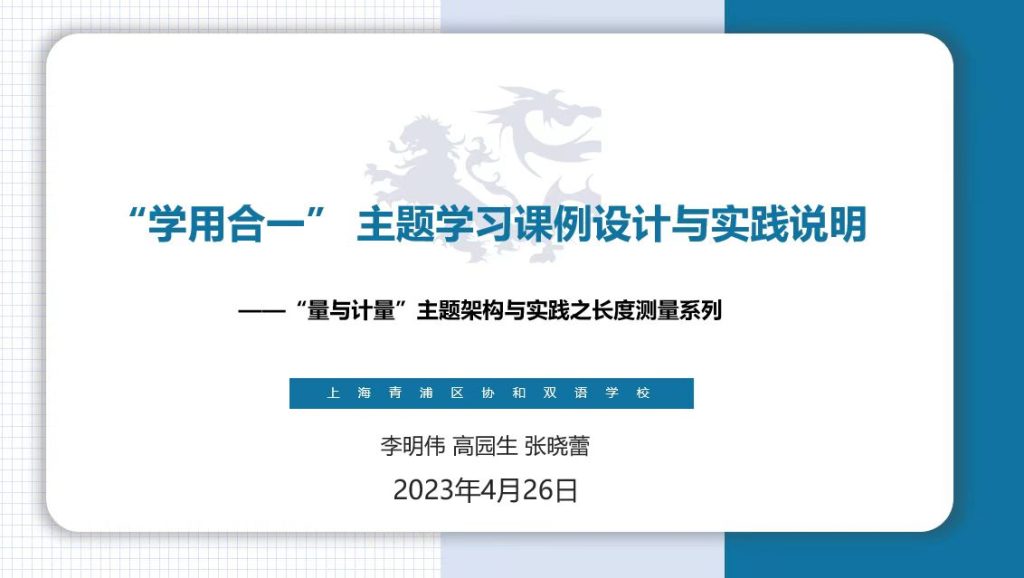
In her welcome speech, Co-Principal Sunny Huang emphasized the importance of practical problem-solving skills alongside the acquisition of basic knowledge. She praised Mr Zhu Lianyun’s teaching concept of “integration of learning and application” that encourages students to develop their high-level thinking as well as their comprehensive, innovative and cooperative abilities which in turn foster their core literacy. The experts and teachers attending the meeting were able to learn and discuss the teaching strategies employed in two wonderful thematic practice lessons presented by Ms Shirley Zhang and Ms Summer Gao from SUIS Qingpu. They broke the traditional teaching design using “quantity and measurement” as a teaching framework and practice, exemplifying the teaching concept of “Integration of learning and application”.
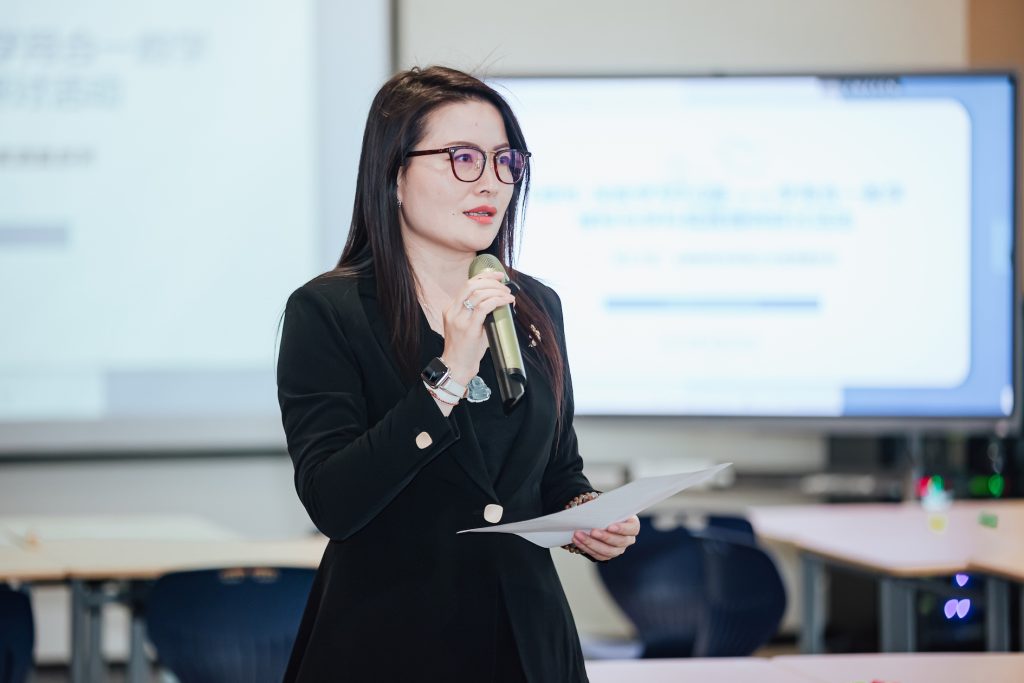
Learning and application — A “measurement” themed example class display
At the meeting, Ms Shirley Zhang and Ms Summer Gao each delivered two wonderful thematic practice lessons.
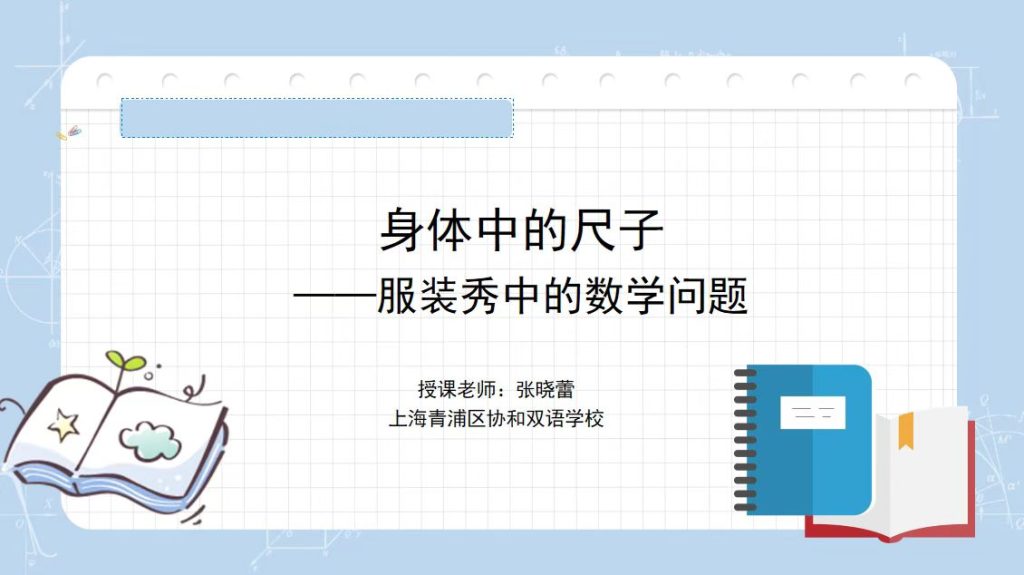
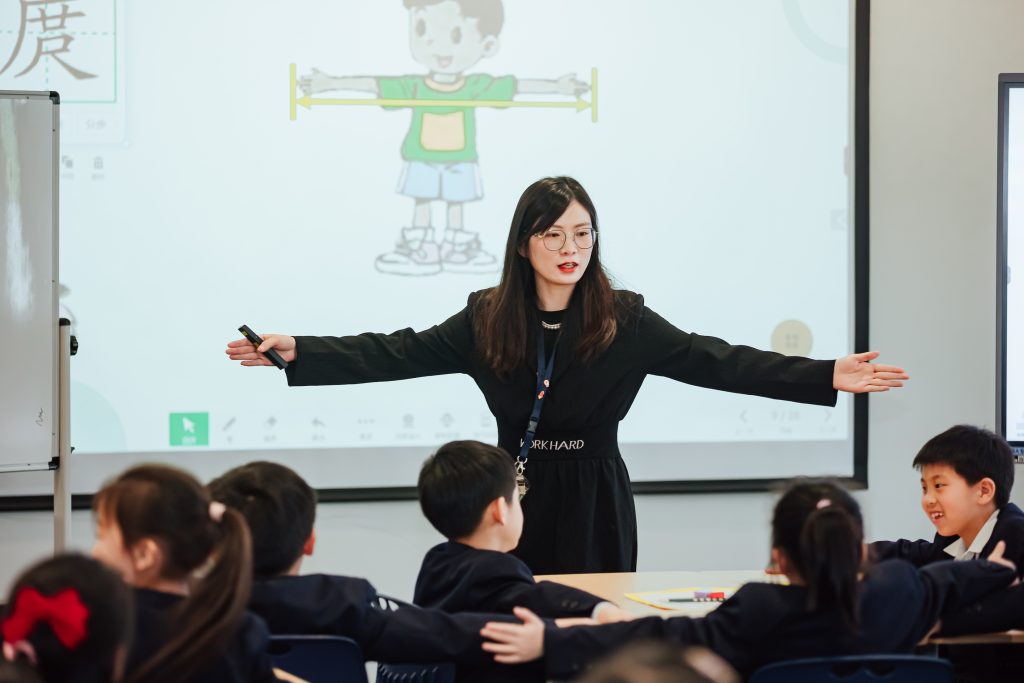
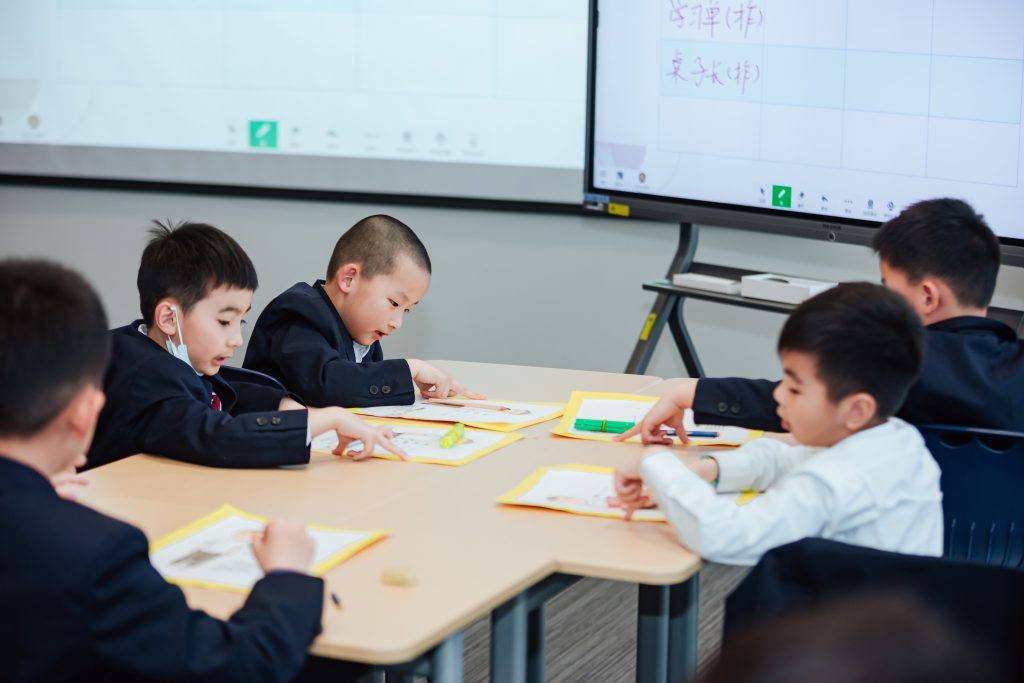
Ms Shirley Zhang from Grade 1 demonstrated how to design fit environmental protection clothing, conducting a practical activity in which students were encouraged to develop measurement and mathematical skills through a hands-on ‘do-it-yourself’ activity.
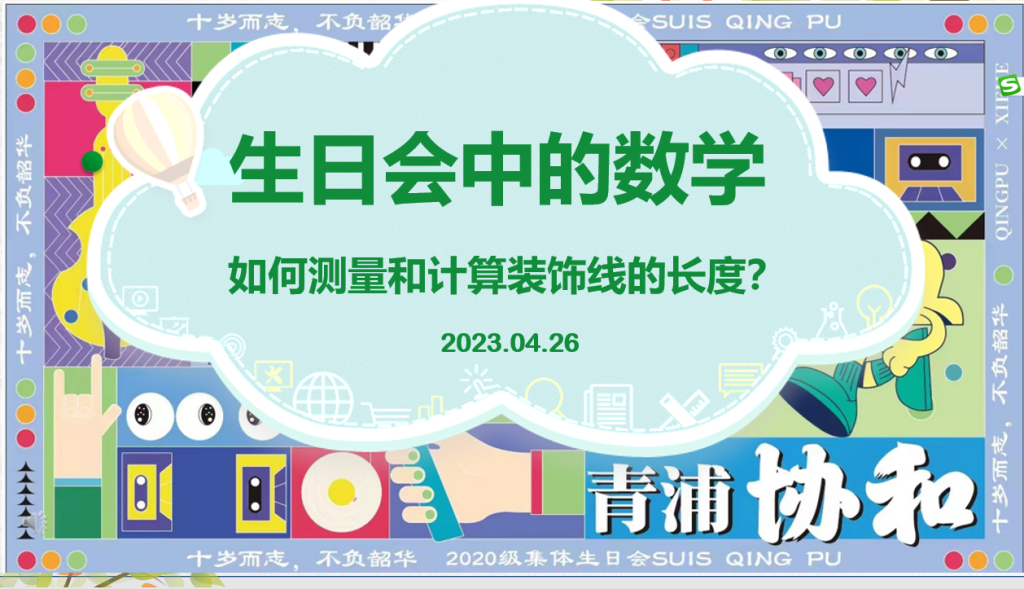
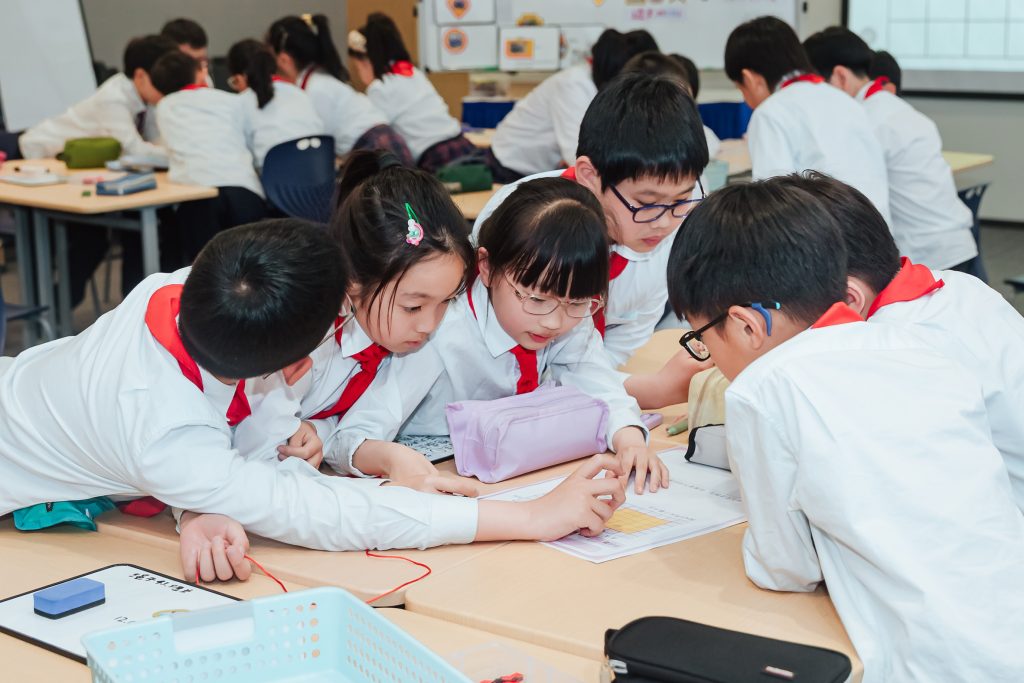
Ms Summer Gao’s class creatively combined learning with the practical application of math in a birthday party, solving the problem of understanding perimeter measurement.


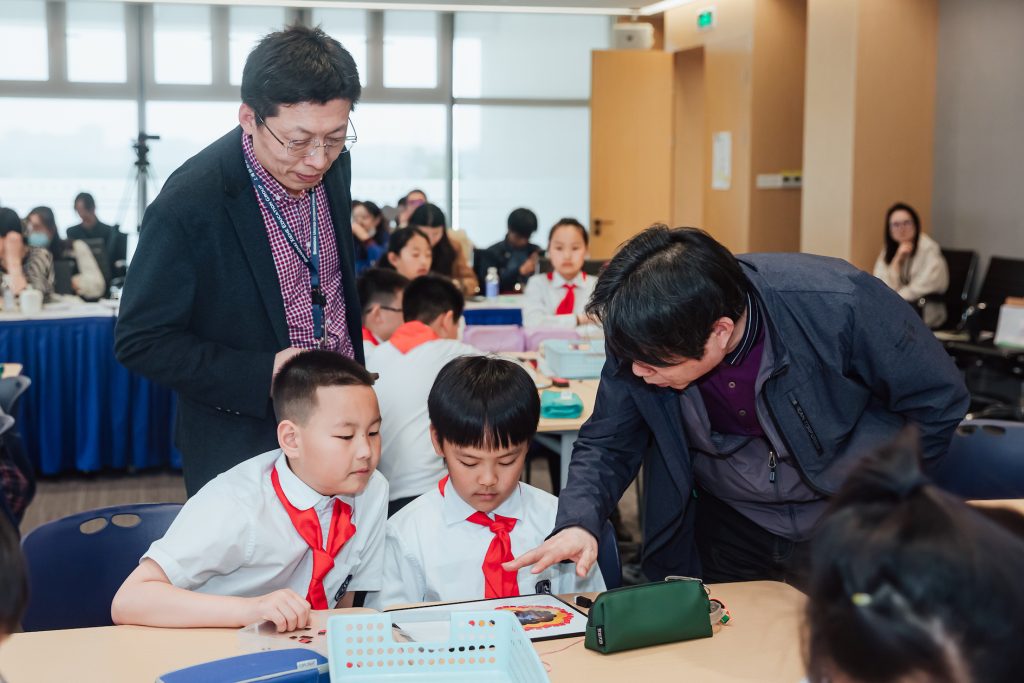
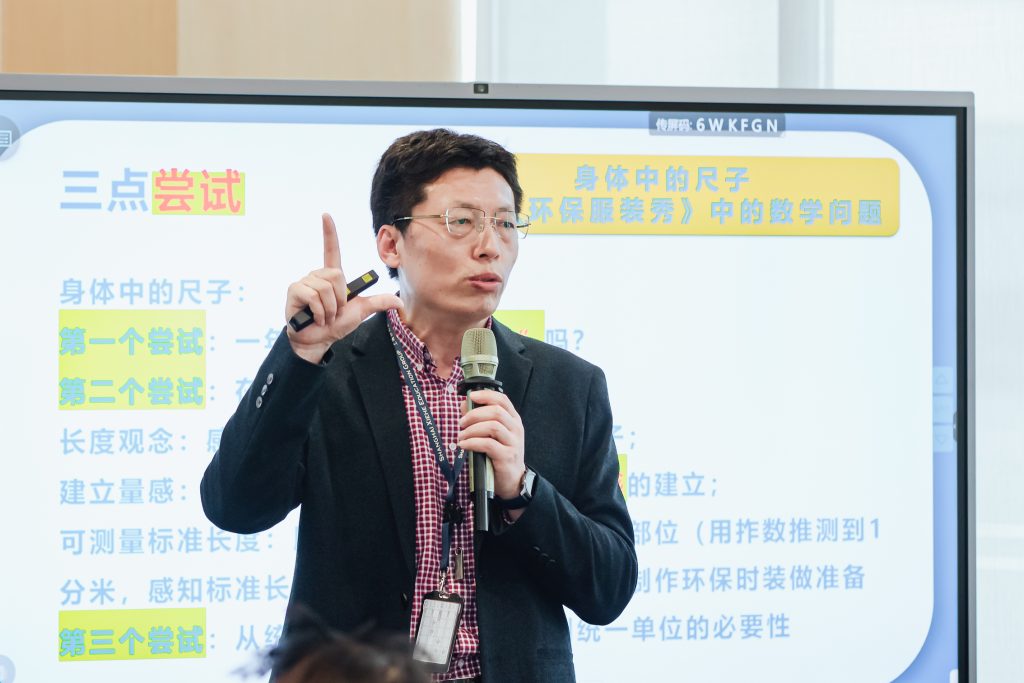
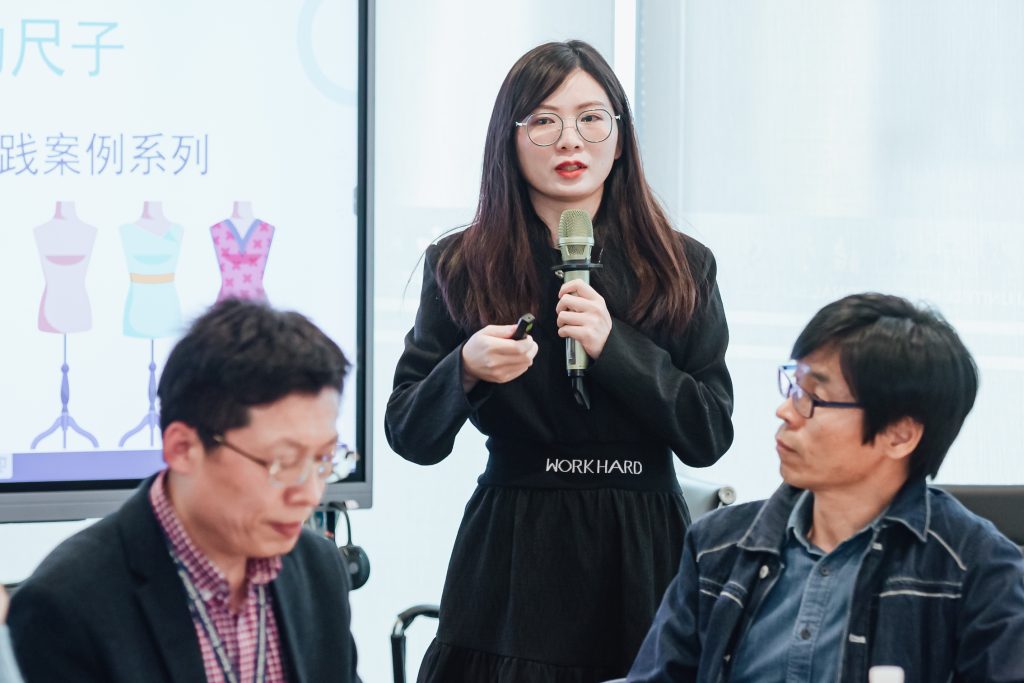
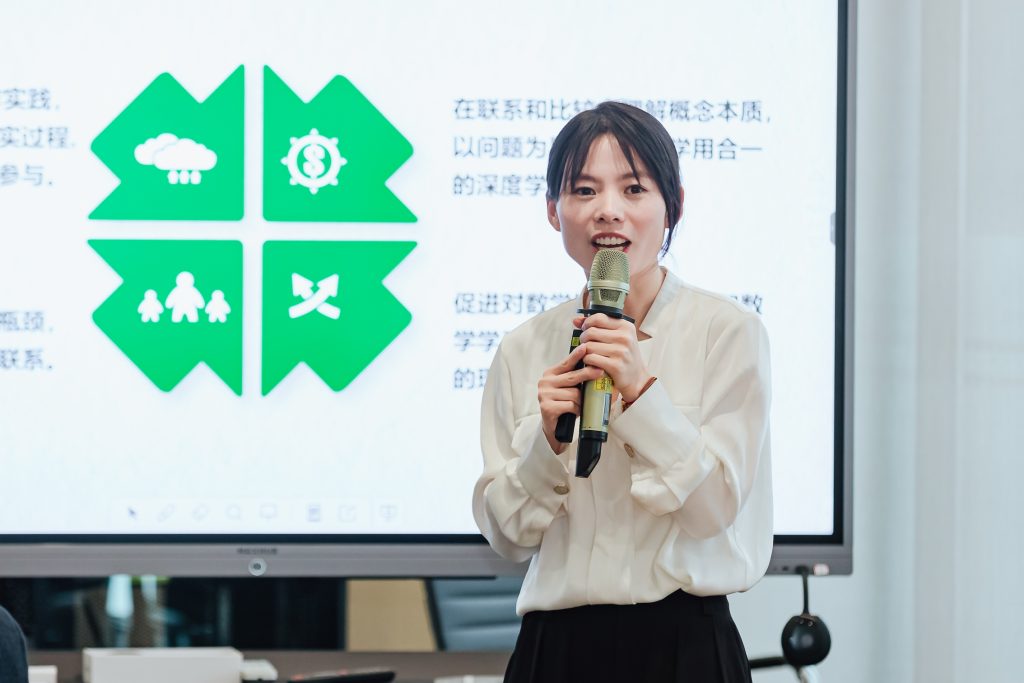
After the lesson, Mr Kevin Li, Head of the Teacher Development Academy (TDA) and the Host for the Qingpu District’s training project “Seed Plan” team, evaluated both classes based on “three attempts” and “three breakthroughs” together with Ms Shirley Zhang, noting the integration of learning, measurable standard lengths and unified units. Ms Summer Gao appreciated the ‘using while learning’ focus of the lessons, which helped to establish higher cognitive thinking and thorough problem-solving. Both classes exceeded the curriculum standards, encouraging deep thinking and independent practice among students.
Deep thinking and a crossover review — “Quantity and Measurement” from different perspectives

Many teachers from the Top Plan E-Workshop 2022 team spoke highly of these two lessons, from different perspectives.
Ms Li Xia and Mr Chen Xuning expressed their appreciation for the high-level thinking, broad theoretical vision, and practical problem-solving abilities demonstrated in the lessons.
Mr Huang Kaiyu noted that the former Deputy Director of the Shanghai Municipal Education Commission, Mr Zhang Minsheng, once said that “teaching should not only follow the logic of the subject, but should also emphasize the logic of life and the psychological logic of students.” I found that the two demonstration classes were an excellent opportunity to improve teachers’ and project team members’ professional development.
Mr Chen Xuning, a teacher from the Qingpu District Training College, began by acknowledging the efforts of the two teachers and praised them for their excellence. He also expressed gratitude for the significant amount of time and energy that they had invested in their teaching. From the perspective of teaching objectives, Mr Chen commented that the two classes were fully aligned with the teaching concept of integration of learning and application. He noted that the focus was on developing an understanding of core knowledge and solving real-life problems. In regard to the lesson design, Mr Chen highlighted how the teaching design encouraged students to explore and practice independently, learn collaboratively, and focus on developing core literacy. He also stressed the importance of cultivating practical ability, cooperation ability, communication ability and critical thinking.
Mr Li Nidan, from the Top Plan E-Workshop 2022 team, evaluated the course objectives from his perspective and concluded that Ms Summer Gao’s lesson was successful in achieving the intended learning objectives. Furthermore, the lesson played a significant role in developing students’ thorough thinking habits during problem-solving activities. He also noted that the lesson had a positive impact on students’ social skills and cognitive abilities, a great improvement overall.
Ms Chen Xiaoli, another member of the Top Plan E-Workshop 2022 team, analyzed the design of Ms Shirley Zhang’s lesson from the perspective of Piaget’s child psychology research and observed that it was aligned with the three levels of children’s cognitive development theory, which includes visual measurement, body measurement, and unified standards.
Ms Dong Jumei, a member of the Top Plan E-Workshop 2022 team, commended the two classes for being vivid and not simply imparting knowledge through mechanized teaching methods. She noted that the lessons started from the curriculum standard but went beyond it, allowing students to discover new ways of thinking and problem-solving through the process of attempting and failing. This approach to learning generated new ideas and adequately prepared the students for further studies in mathematics.
‘Learn to use, use to learn’ — Professional Development: gathering new educational ideas and new teaching methods
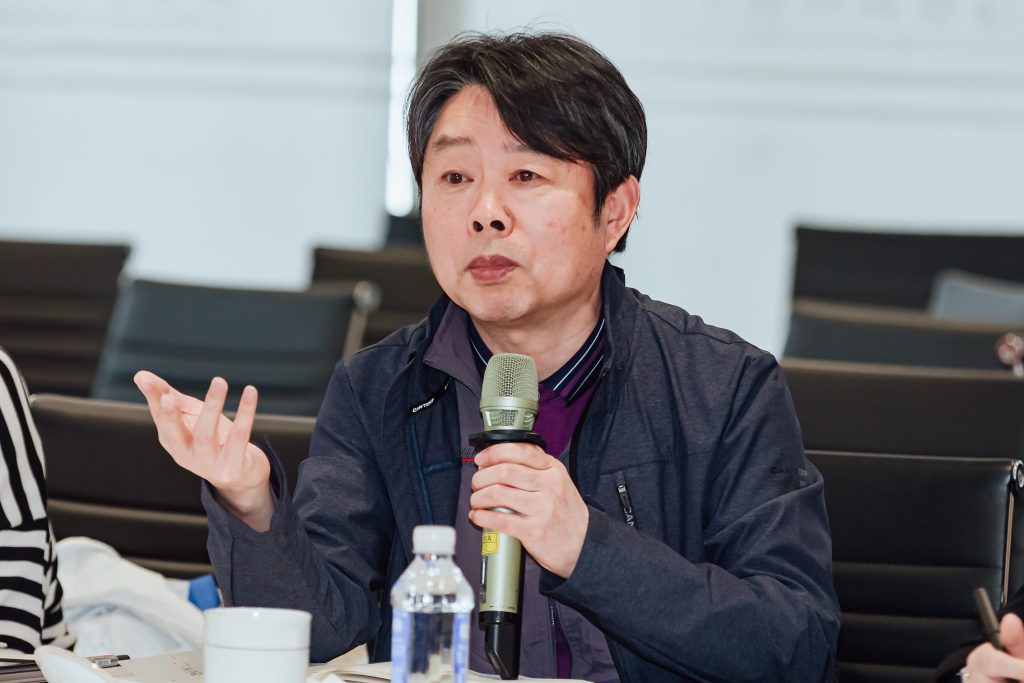
A tutor from the Top Plan E-Workshop 2022 team, Zhu Lianyun, recognized the efforts and preparation of the two teachers and highly praised their classes. He expressed gratitude for their hard work and dedication, and encouraged them to continue striving for excellence in their teaching. Mr Zhu stressed that growth within the teaching profession requires persistent effort and continuous learning.
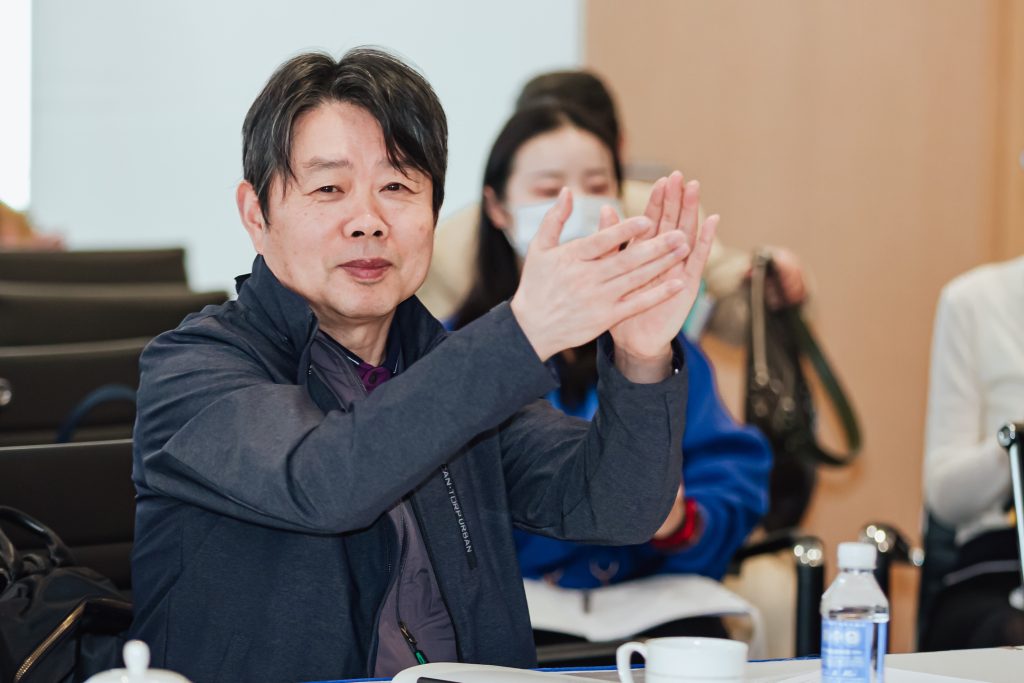
Mr. Zhu emphasized that 10% of the “integration of learning and application” must be interdisciplinary, which is a clear demonstration of the school’s curriculum leadership. The two demonstration classes of “integration of learning and application” presented during the meeting were both designed from a unit teaching perspective and were based upon thorough research of the curriculum standards. The two teachers incorporated the unique characteristics of the school and collaborated to create impactful and engaging lessons that are worth promoting and serving as a reference for other educators.
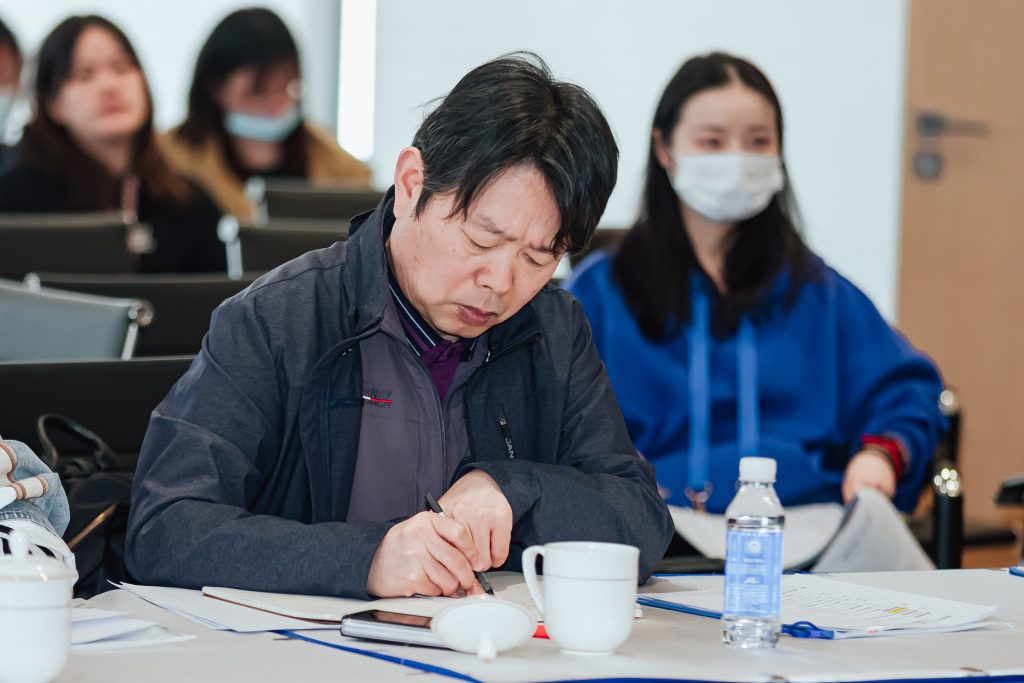
Be real — Select real-life problems that fit students’ own needs;
Student-led conclusions — In the teaching process, the students themselves should conclude through exploration and discussion.
Multi-level — Based on the different levels of students, differentiate to challenge students so that students at different levels can develop effectively.
Framework — Build a framework to support students’ multi-level learning.
Create the environment — The learning atmosphere is very important, and teachers should constantly use the task at hand to mobilize the students’ learning passion.
Real development cannot be achieved overnight. Therefore, there needs to be a teaching concept of long-term design that reflects the value of education. Mr. Zhu also hoped that, from the perspective of overall unit preparation, every teacher can construct a “unity” curriculum framework that goes beyond the teaching material. This will enable students to achieve the goal of core literacy training by using what they learn and learning how to use it while solving real-life problems.
There is a long way to go — Practice with gains
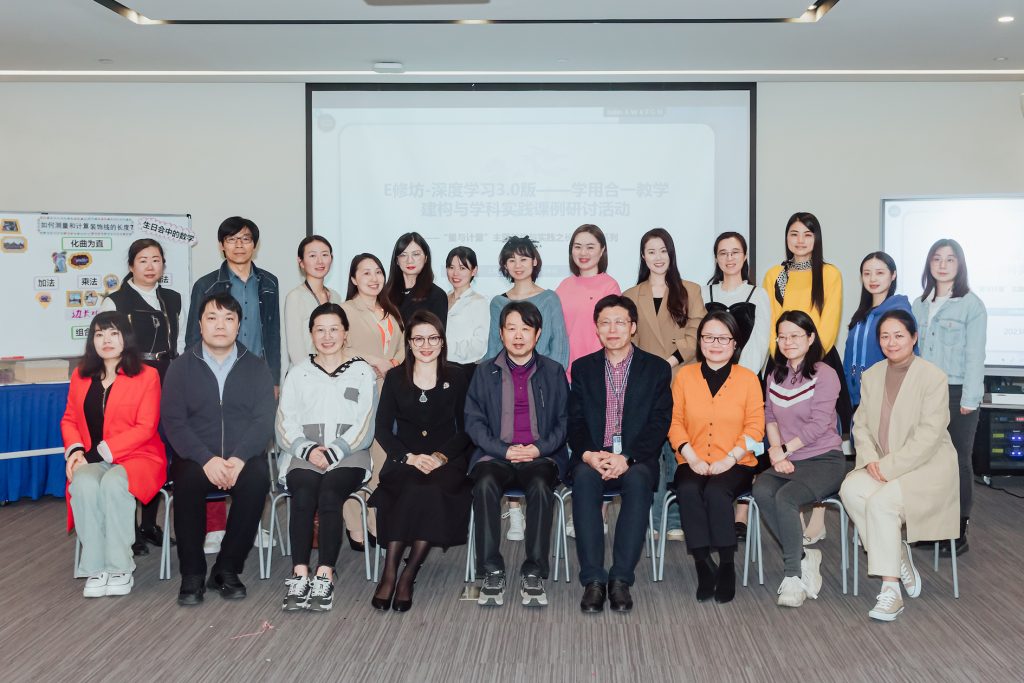
Upon observing the two themed classes, the teachers were surprised to discover that inspiration comes from real life, problem-solving should be integrated throughout the entire class, and the mastery of knowledge and skills can be used to solve problems. Math classes can be just as engaging as art classes. Teachers who attended the class expressed that they learned a lot and planned to apply the concepts to their daily teaching.
We hope to work together to both promote Deep Learning 3.0 and cultivate excellent students!